
Thunder Bay Weather: A Local’s Guide to Seasons, Storms, and Smart Planning on Lake Superior’s North Shore
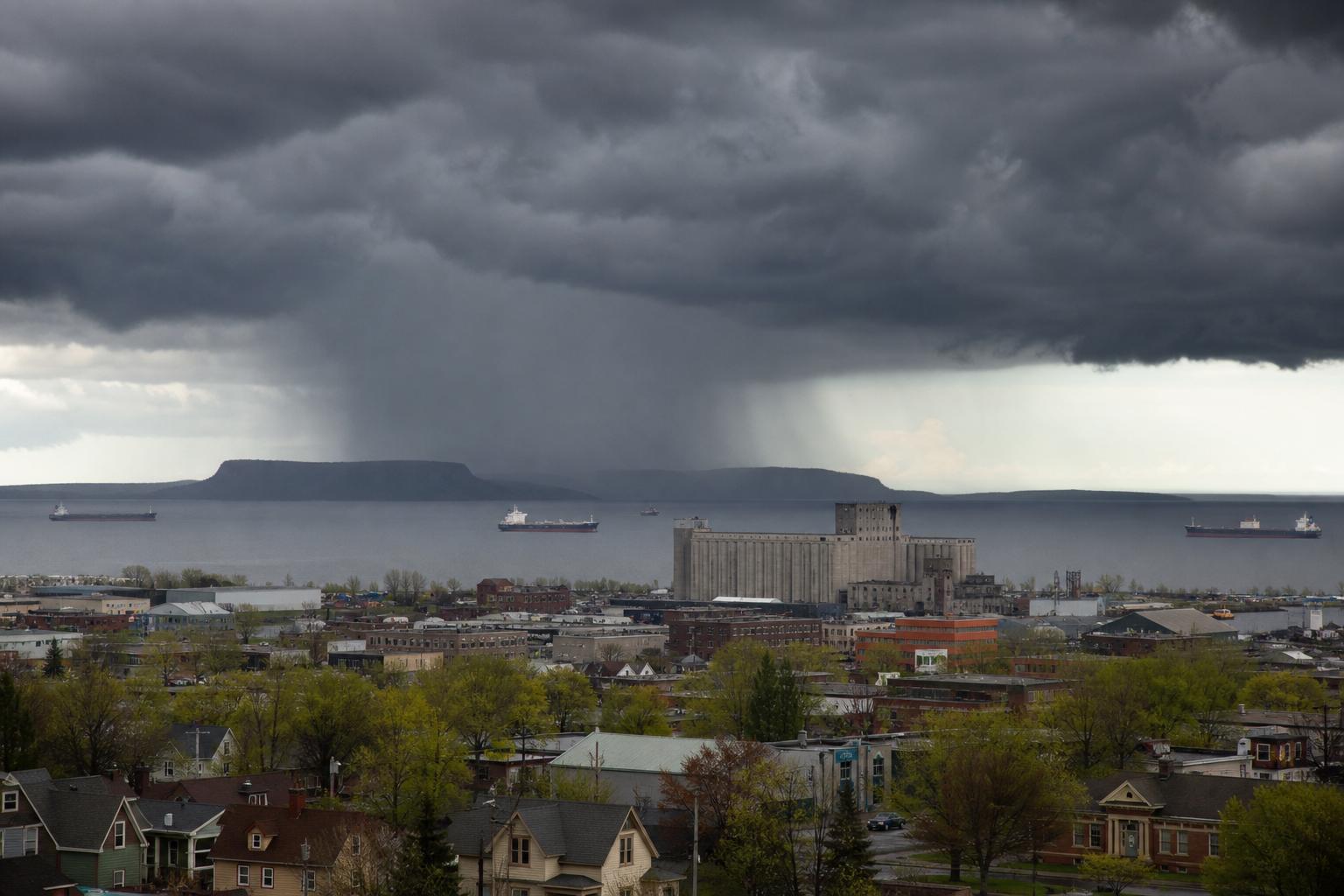
Thunder Bay weather doesn’t play by big-city rules. It’s shaped by Lake Superior’s cold breath, quick-moving prairie systems, and long northern daylight shifts. One day it’s sun and a lake breeze perfect for a waterfront walk; the next, fog rolls in like a curtain. In winter, a clear night can snap to -30°C with wind chill. Summer can climb into shorts-and-sandals territory, then stall under a sudden thunderstorm. If you live here—or you’re planning a trip—understanding these patterns will save you time, money, and plenty of rookie mistakes.
This guide brings you inside the logic of Thunder Bay weather: how the lake steers temperatures, why certain seasons flip fast, and what that means for commuting, outdoor plans, or a weekend drive to Sleeping Giant Provincial Park. You’ll find practical tips, clear explanations, Canadian-specific rules and resources, and real-world advice that locals use every day. Whether you’re moving to the Lakehead, flying in for work, or packing for a road trip along Highway 17, read on. You’ll learn how to read the sky here—and how to plan like you’ve been doing it for years.
Where Thunder Bay Is—and Why It Matters for the Weather
Thunder Bay sits on the northwestern shore of Lake Superior in Northwestern Ontario, at roughly 48° north latitude. That position puts it in a humid continental climate, with four pronounced seasons and notable year-to-year variability. The big player, of course, is Lake Superior—the world’s largest freshwater lake by surface area. The lake stores cold through winter and spring and releases it slowly into summer and fall. As a result, temperatures run cooler near the shoreline when much of Ontario is already baking. Later in fall, the lake acts like a warm-water battery, taking the hard edges off early cold snaps right along the waterfront.
But the lake isn’t a simple “warmer” or “cooler” switch. Wind direction, air mass origins, and the shape of the shoreline matter. When cold air rushes across open water in late fall or early winter, snowfall can be enhanced on downwind shores. When warm air glides over the still-cold lake in late spring, thick advection fog can develop and hang on stubbornly near the harbour while inland neighbourhoods see blue sky. Add in local topography—the Nor’Wester Mountains to the south and west, river valleys, and the Sleeping Giant peninsula—and you get microclimates within short driving distances.
Thunder Bay also sits in the crosshairs of classic Canadian weather-makers. Powerful Colorado lows can track across the Midwest and sweep into Northwestern Ontario with heavy, wet snow or mixed precipitation. Fast Alberta clippers can deliver a sharp shot of cold and light, wind-driven snow. In summer, plume-like moisture from the Prairies and the U.S. Midwest can feed thunderstorms, sometimes strong, with bursts of hail, lightning, and torrential rain. All of this mixes with the lake’s influence to create a surprisingly diverse forecast slate through the year.
Thunder Bay’s Four Seasons: What to Expect and How to Prepare
Winter: Deep Cold, Bright Sun, and Real Snow
From roughly late November through March, Thunder Bay leans into winter. Skies can be brilliantly clear and blue after a storm, with fine, powdery snow sparkling in the sun. Cold snaps are part of the deal. On the harshest mornings, air temperatures can plunge well below -20°C, and wind chill readings can push risk levels into the Environment and Climate Change Canada (ECCC) warning categories. The cold can set in quickly after a frontal passage—there’s often little “mushy” middle ground. That’s why locals keep block heaters on cars, carry booster cables, and don’t gamble with quarter-tank fuel levels when heading out on rural roads.
Snowfall is regular but variable. Thunder Bay doesn’t typically see the relentless “snowbelt” totals found on the south shore of Lake Superior, yet it still racks up a solid winter’s worth of shovelling. Systems that track in from the southwest can dump heavy snow, especially if temperatures hover near freezing, making shovelling feel like lifting wet cement. Alberta clippers bring lighter snow and gusty winds. Near the lake, you’ll occasionally notice lake-enhanced bands that bump up totals in localized stripes. It’s not a daily occurrence, but it happens often enough that two neighbourhoods can see noticeably different amounts after the same event.
Hazards to respect: extreme cold, blowing snow reducing visibility on open stretches of Highway 17 and Highway 61, icy intersections after freeze-thaw cycles, and a few bouts of freezing rain in transition months. When ECCC issues a wind chill warning, heed it. Their categories are based on frostbite risk timelines and are designed for Canadian winters. Dress in layers with windproof outer shells, insulated boots rated for serious cold, and mitts that are actually warm—not just fashionable. Balaclavas and face coverings matter when wind ramps up.
On the plus side, winter recreation thrives: downhill at Loch Lomond and Mount Baldy, fat biking, cross-country skiing, and snowshoeing in and around city trails, Kakabeka Falls, and Sleeping Giant. Clear, crisp nights are also prime for northern lights if the geomagnetic indices light up. With long, dry spells between systems, winter can feel stark but beautiful.
Spring: Two Steps Forward, One Foggy Step Back
Spring in Thunder Bay is a tug-of-war between strong sun and cold lake water. Inland, April sunshine can feel surprisingly warm on your face. Near the waterfront, the breeze can switch off spring like a light. People joke about carrying both sunglasses and a toque in the same pocket; they’re not wrong. Snowpack shrinks unevenly, with shady yards and higher terrain holding onto white longer. Early mornings often drop below freezing through April, and icy patches reappear where meltwater ran the afternoon before.
Expect volatility. Early thaws can be followed by a quick slap of wet snow. Onshore flow days bring advection fog that softens the skyline and chills everything down near the Marina. This is also when potholes wake up, and when creeks and rivers run high. If you hike in spring, shoulder-season traction is your best friend: trails can be half ice, half mud. For gardeners, spring requires patience—seedlings want windowsills, not soil, until frost probabilities ease well into May.
Thunderstorms aren’t common in early spring, but late May can deliver the first rumbles. Severe weather is less frequent than in southern Ontario, yet you’ll still see fast-developing cells capable of hail and heavy rain. Have a plan to get off open ridges quickly if you’re hiking in the Nor’Westers or on the Sleeping Giant when a dark anvil pops over the horizon.
Summer: Warm Days, Lake Breezes, and Flash Storms
Summer here earns loyal fans. Many days run comfortably warm, with lower humidity than southern Ontario, and evenings that cool off enough for a hoodie. On calmer days when winds blow from the land out over the lake, temperatures can push into hot territory. When lake breezes kick in, they notch the air back to perfect patio weather near the shore. If you drive 10 or 20 minutes inland on a breezy day, you might notice it’s several degrees warmer than at the waterfront.
Thunder Bay weather in summer also brings pop-up surprises. Thunderstorms can build swiftly on a warm, humid afternoon, then crash through with a soaking downpour and a stunning sunset behind the departing cloud deck. Severe storms do happen—hail, strong wind gusts, and intense rainfall over a short period are all on the table. Tornadoes are less common than in southern Ontario but not unheard of across Northwestern Ontario. When ECCC issues a watch or warning, it’s worth paying attention, especially if you’re on Lake Superior or out in the backcountry with limited shelter options.
Lake Superior stays cold even as air temperatures rise. That matters for swimmers, paddlers, and boaters. Cold shock and hypothermia are real risks well into summer. If you’re venturing out on Superior, treat it like a small ocean: check the marine forecast, wear a properly fitted lifejacket, and have a plan for changing winds and quick-building waves. For families, inland lakes warm up sooner and can offer friendlier swimming conditions by July.
Fall: Calm Gold Days, Sudden Storms, and the Lake’s Last Warmth
Autumn is a shoulder-season favourite. September often delivers calm, clear days with cool nights, fewer bugs, and broad-leaf colour that pops across the Nor’Westers and the Sleeping Giant. Thanks to Lake Superior’s heat storage, lakeshore areas can feel milder than you’d expect on early fall mornings. Hikers stretch the season deep into October when weather co-operates, but the first measurable snows can appear by late October or November, especially away from the lake.
Storminess returns as temperature contrasts increase. Low-pressure systems can deepen rapidly across the Great Lakes in October and November, bringing windy days and soaking rains. Those are the gales that make mariners cautious; gusts can be serious business along the waterfront, and waves crash hard, especially in exposed sections. You’ll occasionally catch lake-effect-ish bursts that dust certain corridors more than others when cold air first begins pouring across open water. By late fall, ice can start to form on sheltered bays, but Lake Superior’s main body remains open and dangerous long after smaller inland lakes freeze.
How Lake Superior Shapes Thunder Bay Weather
When you stand at the Marina Park lookout and face south, you’re looking at the engine behind most local microclimates. The lake cools spring, mutes early heat waves near shore, anchors fog banks, nudges wind directions, and sometimes adds moisture to snow systems. Here’s how it works in practice:
- Temperature moderation: In May and June, onshore winds drag chilly air over the city. It can be sweater weather by the water even when inland locations are in T-shirts. In September and October, the lake does the opposite, keeping waterfront areas milder on cold mornings.
- Lake breezes: On sunny summer days, land heats faster than the lake. Air rises over land, lake air slides in to replace it, and you feel that gentle (or not-so-gentle) push from the south or southeast. Timing varies; often the breeze builds late morning and peaks mid-afternoon, then fades near sunset.
- Fog formation: Warm, moist air moving over cold lake water often condenses into low cloud. That’s the classic spring and early-summer advection fog that can make the waterfront feel like another season. Visibility can drop fast; drivers, cyclists, and boaters should plan accordingly.
- Snow enhancement: In late fall and early winter, a passing system can wring out extra snow where winds align with long fetch over open water. While Thunder Bay isn’t in the Great Lakes “snowbelt” proper, localized boosts do occur and can surprise you if you only checked a regional forecast.
- Wind and waves: The lake flexes hardest in October and November. Pressure gradients tighten, gusts pick up, and waves on open water can build rapidly. Even in summer, afternoon lake breezes can stack steep chop that’s tough on small craft.
Bottom line: any “average” forecast here is a moving target. If your plan depends on precise conditions—photography, boating, backcountry hikes—layer your sources. Check the city forecast, the marine forecast for Lake Superior, and radar. Then think about wind direction and where you’ll be in relation to the lake and terrain.
Month-by-Month Planner for Thunder Bay Weather
January
Cold rules. Days are short, skies can be brilliantly clear or wintry gray, and snow cover sticks. Expect stretches of intense cold and occasional Alberta clippers bringing light, wind-driven snow. Ice on inland lakes thickens; Lake Superior stays open and forbidding. If you’re commuting early, plan for wind chill and black ice where blowing snow drifted across the road overnight.
February
Still deep winter, but the sun angle starts to climb, and clear afternoons feel slightly warmer—until the wind picks up. A mid-winter thaw might sneak in, especially late in the month, followed by a hard refreeze. Keep walkways sanded; freeze-thaw cycles make surfaces more treacherous than heavy snow days.
March
Mercury bounces. A big snowstorm is still possible, but so is the first truly warm-feeling afternoon. Snowbanks slump, and rooflines drip. If you’re heading to Kakabeka Falls or Sleeping Giant, bring both microspikes and waterproof boots. Trails can be half winter, half spring within a few hundred metres.
April
True shoulder season. Inland heating increases quickly, but lake breezes can knock temperatures down near the waterfront. Expect alternating sunny days and messy systems with mixed precipitation. Gardeners resist the urge to plant too soon; frost remains a risk most nights. Pothole season peaks—plan extra time on certain routes.
May
Green-up accelerates inland; near the lake, the season lags. Blackflies and mosquitoes wake up toward the end of the month in wooded and wet areas. Thunderstorms begin to show up more often, mainly late afternoon. If you’re on the Giant or the Nor’Westers, watch the sky and keep a quick exit route in mind.
June
Arguably one of the best months. Long daylight, frequent sunny stretches, and comfortable highs. Lake breezes are common; pack a light jacket for evenings near the waterfront. Thunderstorms can be potent on hot days, with fast-moving cells. Inland lakes begin to feel swimmable later in the month; Lake Superior remains cold—respect it.
July
Peak summer. Warm to hot days, cool nights, patio weather galore. Pop-up storms can dump heavy rain over parts of the city while other neighbourhoods stay dry. If you’re attending a waterfront event, carry a thin rain shell and a hat—showers pass, and the evening often turns gorgeous.
August
Still summer, but nights gradually lengthen. Humidity occasionally spikes ahead of a front. Late-summer thunderstorms can be dramatic, then gone. Berry picking and hiking are excellent; just keep an eye on wildfire smoke forecasts if the broader region is active. AQHI advisories may pop up on hotter, stagnant days with smoke influence.
September
Gold and blue. Mild days, cool nights, and lower bug pressure. Lake Superior’s moderating effect keeps waterfront areas especially pleasant. Storm systems begin to strengthen again; windy days return. If you’re paddling on the big lake, choose calm mornings and watch for afternoon wind shifts.
October
Shoulder season, round two. Brilliant colour early in the month fades to stark beauty by late October. Powerful lows can bring driving rain and high winds. A first wet snow isn’t rare. Hunters, hikers, and backroad travellers should expect mixed underfoot conditions and early-morning frost.
November
Transition to winter. Freeze-ups spread inland while Lake Superior stays largely ice-free and moody. Blustery days dominate. Heavy, wet snowfalls or mixed precipitation events are possible, quickly turning to slippery slush. Test your block heater, swap to winter tires if you haven’t, and stock your vehicle kit.
December
Short days, solid winter feel. Snow cover deepens, and clear, cold nights return between systems. Holiday travel can be smooth or snarled depending on timing with clippers or Colorado lows. Build extra margin into any long highway drives.
Microclimates around Thunder Bay: Why One Neighbourhood Can Feel Like a Different City
Thunder Bay is big enough, and geographically interesting enough, that microclimates show up in daily life:
- Lakeshore vs. inland: Close to Lake Superior, spring is cooler and foggier; fall is milder. Go 10–20 minutes inland and you’ll often feel a sharp temperature bump on lake-breeze days.
- River valleys and low spots: The Kaministiquia and other valleys collect cold air on clear nights, making frost more likely than on surrounding ridges.
- Higher terrain near the Nor’Westers: Slightly cooler and windier, with snowfall that can run higher in certain setups, especially with upslope flow.
- Sleeping Giant and Sibley Peninsula: Peninsula exposure means stronger winds and rapid weather shifts. Fog can cling longer around the Giant than in the city core.
- Urban heat island: On still summer nights, paved areas in town can run a notch warmer than nearby rural spots, delaying dew and fog formation slightly.
If you manage a job site, a farm, or a filming schedule, keep these differences in mind. They explain why the airport observation might not match your waterfront café table—or your deck in Neebing.
Driving, Commuting, and Daily Life: Weather-Smart Habits for Thunder Bay
Thunder Bay weather rewards those who think ahead. The following tips shave stress off commutes and everyday tasks:
- Winter tires: In Ontario, winter tires are strongly recommended province-wide. Insurance discounts are common. Studded tires are permitted in Northern Ontario during specified months and in designated areas; Thunder Bay District is included. Check the latest Ministry of Transportation (MTO) rules for exact dates and eligibility.
- Block heaters: Most vehicles in Thunder Bay use block heaters once temperatures drop meaningfully below freezing, especially overnight. A simple outdoor-rated timer can reduce power use while ensuring your engine is warm enough for a clean start on cold mornings.
- Vehicle kit: Keep a shovel, traction aids, booster cables, a blanket, chemical hand warmers, water, and snacks in your trunk from November through April. Highway closures happen, and cell coverage can be spotty on stretches of 17 and 61.
- Sidewalks and driveways: Shovel early after a snowfall to prevent hard-packed ice from footprints and tires. Use sand or a pet-safe de-icer when freeze-thaw cycles glaze the surface. Municipal rules on sidewalk clearing vary—consult the City of Thunder Bay for current expectations and timelines.
- Roof and eaves: Clean eavestroughs in fall to limit ice damming. After a heavy, wet snowfall, watch for roof loads and clear as needed—safely.
- Pipes and heating: In extreme cold, open cabinet doors under sinks along exterior walls and let a trickle run to reduce freeze risk. Service your furnace annually and keep a spare filter on hand. If you use a wood stove, maintain your chimney to prevent creosote buildup.
For road conditions in winter or during shoulder-season storms, use Ontario 511 for current highway closures and traffic cameras. Pair that with ECCC alerts and radar. If conditions look marginal and you have flexibility, wait an hour; the difference between poor and passable in Northwestern Ontario can be surprisingly small—but meaningful.
Outdoor Adventure, Safely: Making the Most of Thunder Bay Weather
Hiking and Trail Running
Sleeping Giant, the Nor’Wester Mountains, and Kakabeka Falls deliver classic Northwestern Ontario terrain: rock, root, and views that stretch to the horizon. Weather tips:
- Spring and fall traction: Carry microspikes in shoulder seasons. Trails can switch from dry to glare ice after a few shaded turns.
- Thunderstorms: In summer, plan ridge time for mornings. If clouds bubble up and you hear thunder, move to lower terrain. Avoid lone trees, open lookouts, and metal structures.
- Heat and hydration: Thunder Bay heat waves are less frequent than in southern Ontario, but they still happen. Bring more water than you think you’ll need—refill points are rare.
- Bugs: From late May into July, blackflies and mosquitoes can be heavy inland. A head net and proven repellent keep the day fun.
Paddling and Boating
Lake Superior is cold, even in August. Inland lakes are friendlier for casual swims and SUP sessions, but the big lake rewards solid preparation:
- Marine forecast: Check ECCC marine forecasts for Lake Superior near Thunder Bay and open lake areas. Winds and waves can change quickly with passing fronts or afternoon lake-breeze strengthening.
- Cold water safety: Wear your lifejacket. Dress for the water temperature, not the air. Have a communication device in a waterproof case.
- Fog: Spring and early summer fog can reduce visibility to near zero. Carry signaling devices and avoid pushing out in marginal conditions.
Winter Sports
Downhill at Loch Lomond or Mount Baldy, Nordic trails, fat biking, and snowshoe loops—take your pick. The main considerations are wind chill and underfoot conditions after warm-ups. Icy layers develop after thaws; bring traction for hiking approaches to ski areas and trailheads. For snowmobiling, verify trail status with local clubs and watch for open water on lakes where currents run under the ice.
Ice Safety
Smaller inland lakes freeze earlier and more reliably than Lake Superior. Standard safety guidance used across Canada is a useful baseline: clear, solid ice at least 10 cm is a general minimum for walking or skating; thicker is needed for snowmobiles and vehicles. Thickness varies widely with currents, inlets, and insulation from snow cover. Always check with local authorities or clubs, and never assume yesterday’s conditions hold after a warm, windy day.
Severe and Unusual Weather in Thunder Bay
While “average day” weather is moderate by Canadian standards, extremes do happen. Here’s what to know:
- Extreme cold: Wind chills can cross into ECCC warning criteria. Frostbite risk increases as wind chill values drop; ECCC warnings are based on established risk thresholds. Cover exposed skin, limit time outdoors, and keep vehicle kits ready.
- Blizzards and blowing snow: Open stretches amplify drifting and whiteouts. If you must drive, reduce speed drastically, use low beams, and leave extra space. Consider delaying non-essential travel until winds ease.
- Freezing rain: This is a shoulder-season hazard. Power lines glaze, sidewalks become skating rinks, and trees can snap. In outages, conserve heat and check on neighbours.
- Severe thunderstorms: Large hail, damaging winds, and torrential rainfall can occur. ECCC issues “watches” when conditions are favourable and “warnings” when severe weather is occurring or imminent. Get to sturdy shelter at the first rumble; on the water, head to shore long before storms arrive.
- Tornadoes: Less frequent than in southern Ontario, but not impossible across Northwestern Ontario. Treat tornado warnings seriously; move to an interior room on the lowest floor away from windows.
- Wildfire smoke: In some summers, smoke from regional fires lowers visibility and air quality. Watch the Air Quality Health Index (AQHI). On higher-risk days, limit strenuous outdoor activity, keep windows closed, and use portable air cleaners if available.
Checking the Forecast Like a Pro: Best Tools and How to Use Them
Thunder Bay weather forecasts improve dramatically when you pull from a few reliable Canadian sources and think about the lake:
- Environment and Climate Change Canada (ECCC): The official forecast, alerts, and discussions. The WeatherCAN app is free, fast, and includes push notifications for watches and warnings.
- Radar: ECCC operates a national radar network covering Northwestern Ontario. Use radar loops to see approaching showers or snow bands and to time when a burst will hit your area.
- Marine forecast: Essential if you’re on Lake Superior. Wind, wave, and visibility forecasts are specific to the lake and often differ from the city forecast.
- Ontario 511: Road conditions, highway closures, and cameras. Crucial for winter drives on Highway 17 or 61.
- Fire and smoke information: The Ontario Ministry of Natural Resources and Forestry (MNRF) posts updates on fire activity and restrictions. ECCC provides smoke and air quality forecasts.
Make it a habit: before a hike or a paddle, check the city forecast, radar, marine or lake breeze potential, and any alerts. In spring and early summer, add one more step: glance at the fog potential when warm air is moving over cold lake water.
Gardening, Yardwork, and Building Projects: Weather-Savvy Timing
Thunder Bay’s growing season is shorter than southern Ontario’s, but it’s productive with the right tactics. The frost-free window expands near the lakeshore and contracts inland. Many gardeners treat May as a planning month and early June as planting time for tender crops. If you’re near Lake Superior, consider that spring chill lingers longer; in return, fall frosts may arrive later, stretching harvests.
Hardiness zones in and around Thunder Bay generally range from colder inland to slightly milder near the lake. Perennials that shrug off winter down south might need extra protection here. Mulch in fall, wrap certain shrubs against desiccating winter winds, and site less-hardy plants where snow drifts naturally provide insulation. If you’re building decks or sheds, aim to pour footings after the worst of spring frost heave and before autumn’s long wet spells.
How Climate Change Is Showing Up in Thunder Bay
Across Canada, observed trends include warming temperatures, more extreme precipitation events, shifting freeze-thaw patterns, and changing ice cover on lakes. In the Thunder Bay area, that can translate to:
- Shorter, more variable winters: Freeze-thaw cycles showing up more often, and shoulder seasons stretching.
- Heavier rain events: Summer downpours that exceed drainage capacity in a short window, increasing urban flooding risk.
- Wildfire smoke impacts: Some years bring more days with reduced visibility and AQHI advisories from regional fires.
- Lake effects: Changes in lake ice cover and water temperatures can tweak fog frequency and storm character near the shoreline.
For homeowners, this means planning for better drainage, backflow prevention where appropriate, and flexible landscaping that can handle both drought spells and cloudbursts. For outdoor users, it means adapting plans quickly and checking conditions more often during transitional seasons.
When to Visit: Matching Your Plans to Thunder Bay Weather
There’s no single “best” month—it depends on what you want.
- Hiking and vistas: Early to mid-September often delivers crisp air, low bug pressure, and stable trails. June is a close second for long daylight and lush greens.
- Paddling: July and August for inland lakes; choose calm mornings for Lake Superior and watch winds. Always check the marine forecast.
- Northern lights: Clear, dark nights in late fall, winter, and early spring increase chances. Watch aurora alerts and pick nights with minimal moonlight.
- Winter sports: January through early March for consistent snow cover and groomed trails.
- Photography: October storms for dramatic lake shots; April fog for moody waterfront scenes; February bluebird days for crisp, high-contrast landscapes.
Packing Lists by Season: What Locals Actually Wear
Winter Essentials (December–March)
- Insulated parka with windproof shell
- Base layers (merino or synthetic), mid-layer fleece or down
- Insulated, waterproof boots rated for deep cold
- Mitts (warmer than gloves), toque, neck gaiter/balaclava
- Traction aids for icy sidewalks and trails
- Booster cables and a compact shovel for your vehicle
Spring and Fall (April–May, September–November)
- Waterproof shell and breathable layers
- Light insulated jacket for mornings and evenings
- Waterproof boots with good tread
- Thin gloves and a toque that lives in your bag
- Bug protection in late spring and early summer
Summer (June–August)
- Light layers and a packable wind shell
- Sun hat, sunscreen, and sunglasses
- Sturdy walking shoes or trail runners
- Bug repellent (and a head net if you’re hitting wetlands in June)
- Light fleece or hoodie for evenings near the lake
Quick Reference Tables
Seasonal Snapshot
| Season | Typical Feel | Key Hazards | Best Bets |
|---|---|---|---|
| Winter | Cold, bright, snowy | Extreme wind chill, blowing snow, icy roads | Skiing, snowshoeing, aurora watching |
| Spring | Variable, cool near lake, thaw-freeze | Ice on trails, fog, late snowfalls | Waterfalls in full flow, early hikes inland |
| Summer | Warm, lake breezes, occasional storms | Thunderstorms, sudden wind shifts on Superior | Hiking, paddling inland lakes, patios |
| Fall | Mild near lake, crisp inland | High winds, heavy rain events, early snow | Colour hikes, calm mornings on the water |
Daylight and Planning
| Time of Year | Approx. Daylight | Planning Tip |
|---|---|---|
| Late June | ~16 hours | Start big hikes early to beat afternoon lake breezes/storms |
| Late December | ~8 hours | Finish errands by mid-afternoon; temperatures drop fast after sunset |
| September | 12–13 hours | Great for long day trips; fewer bugs, steady temps |
Budgeting for Weather: Hidden Costs and Smart Savings
Living with Thunder Bay weather adds a few line items—and opportunities to save:
- Energy use: Cold snaps drive heating bills. Weather-stripping doors, sealing basement rim joists, and upgrading attic insulation all pay back quickly in the north.
- Vehicle maintenance: Winter tires, seasonal oil changes, and underbody washes after salted roads extend vehicle life. A rust-proofing routine helps, too.
- Clothing: Buying fewer, better layers beats a closet full of “almost warm.” Durable boots and a windproof shell are where money makes a difference.
- Trip timing: Aiming for shoulder-season deals? Remember that April and November are volatile. If your plans are weather-sensitive, build refundable options into flights or lodging.
Thunder Bay Weather and Health: Practical Considerations
Weather touches health more here than you might think:
- Cold exposure: ECCC wind chill advisories are your cue to bundle up and shorten outdoor errands. If you work outside, schedule warm-up breaks and rotate tasks.
- Allergies: Pollen season ramps up in late spring and can peak into summer. Breezy, dry days loft pollen; rainy periods tamp it down temporarily.
- Air quality: On smoke-affected days, follow AQHI guidance. If you’re sensitive, use a portable HEPA purifier and avoid heavy exertion outdoors during advisories.
- UV index: Northern latitude doesn’t spare you from sunburn. On clear summer days, the UV Index can climb; sunscreen and a hat are non-negotiable on long hikes.
Local Examples: Reading the Forecast by Neighbourhood and Activity
Let’s say the ECCC forecast shows 25°C and “risk of a thunderstorm.” You plan an evening run on the Waterfront Trail. It’s 3 p.m., winds are off the lake, and cumulus towers are building inland. Expect it to feel cooler by the water (bring a light layer), with storms tracking north or west of the shore if the lake breeze boundary holds. If radar starts showing cells drifting toward the city around 6 p.m., pivot to an earlier start or a shorter loop with quick shelter options.
Another day: the forecast calls for 10°C and rain in October, with “south winds 40 gusting 60 km/h.” You’re eyeing waterfront photos of waves crashing. Great—just choose safe vantage points, leave lots of space from the waterline, and watch for slick rock. That same wind might barely be felt in sheltered inland neighbourhoods, but the waterfront will feel like a different planet.
For Newcomers: Thunder Bay Weather Culture 101
Locals tend to keep a weather eye on three things: the official forecast, the lake, and the horizon. A few cultural norms help you settle in:
- A “maybe” forecast is a plan to check again in two hours. Flexibility is a virtue.
- Block heater cords hanging from front grills are a winter fashion statement—no one minds.
- Everyone has a story about being surprised by fog or a fast storm near the Giant. Take the hint and carry a layer, even in July.
- “See you after the wind dies” is a perfectly good rescheduling note.
Common Mistakes to Avoid
- Trusting one forecast source: Use ECCC plus radar. For the lake, add marine forecasts.
- Underestimating the lake: Superior is cold and powerful, even on a calm morning. Be conservative in your paddling plans.
- Ignoring wind chill: -10°C with a stiff wind can feel very different than -10°C on a still day. Dress for the wind.
- Planting tender crops too early: Wait until frost risk truly declines—patience saves replanting headaches.
- Overlooking microclimates: The waterfront and inland city can feel several degrees apart on lake-breeze days.
How Thunder Bay Weather Compares to Other Canadian Cities
Compared to Toronto, winters are colder, longer, and snowier; summers are generally drier and less humid. Compared to Winnipeg, lake influence takes some edges off fall and spring, but winter cold still bites hard. Against Vancouver, well—Thunder Bay is sunnier in winter but far colder and much snowier; summer humidity is lower, and rain is more event-driven than constant drizzle.
Thunder Bay Weather and Local Events
Outdoor markets, festivals, and waterfront concerts concentrate in late June through August. Expect mostly comfortable evenings, with a light jacket useful after the sun drops. Storm risks mean organizers—and attendees—watch radar and make quick calls. Winter community events proceed regardless; dress right, and you’ll forget the cold until your cheeks tell you it’s time for hot chocolate.
A Final Word on Forecast Confidence
Forecast accuracy tends to be strongest in the 12–24 hour window, decent out to 3 days, and fuzzy beyond that—especially for precipitation details and wind timing. Lake-breeze timing, fog, and localized thunderstorm tracks are inherently tricky anywhere on the Great Lakes. Build flexible plans and you’ll be fine. Most days in Thunder Bay turn out better than a cautious forecast implies.
FAQ: Thunder Bay Weather
Is Thunder Bay colder than Toronto?
Yes. Winters in Thunder Bay are significantly colder, with more frequent deep freezes and higher chances of extreme wind chill. Summer humidity tends to be lower, and evenings are cooler—especially near Lake Superior.
Does Lake Superior freeze in Thunder Bay?
Near-shore ice can form in bays and sheltered areas during winter, but the main body of Lake Superior rarely freezes over completely. Conditions change with wind and temperature, so treat lake ice with caution at all times.
When is the best time to visit for hiking?
Early to mid-September is a sweet spot: stable weather, fewer bugs, and excellent visibility. June is also great for long daylight and lush greens, with a watchful eye on afternoon thunderstorms.
How bad are mosquitoes and blackflies?
In wooded, wet areas, late May through early July can be intense. Near the waterfront, breezes help. A head net, long sleeves, and trusted repellent keep things manageable.
Where should I check for the most accurate thunder bay weather forecast?
Start with Environment and Climate Change Canada (WeatherCAN app), then check radar for timing. If you’re heading on Lake Superior, add the marine forecast. For road travel, use Ontario 511 for real-time conditions and closures.
Do I need winter tires in Thunder Bay?
Strongly recommended. They dramatically improve traction and braking in cold, snowy conditions. Studded tires are permitted in designated Northern Ontario areas during set months—check current MTO regulations to confirm details for the Thunder Bay District.
Can I see the northern lights from Thunder Bay?
Yes, especially on clear, dark nights in late fall through early spring when geomagnetic activity is elevated. Getting away from city lights improves your odds; even a short drive can make a big difference.
Why is it so foggy by the waterfront in late spring?
Warm, moist air drifting over the cold surface of Lake Superior condenses into advection fog. It can linger near the shoreline while inland neighbourhoods enjoy sunshine.
How quickly can thunderstorms develop in summer?
On warm, humid days, storms can pop in under an hour. Watch for towering cumulus clouds, check radar, and plan activities earlier in the day to avoid peak storm time.
What’s the safest way to plan a paddle on Lake Superior?
Check the marine forecast and wind direction, wear your lifejacket, dress for cold water, and choose conservative routes. Start early to avoid rising afternoon winds, and be ready to turn back if conditions change.