
Perimenopause Symptoms in Canada: What’s Normal, What’s Not, and How to Feel Better
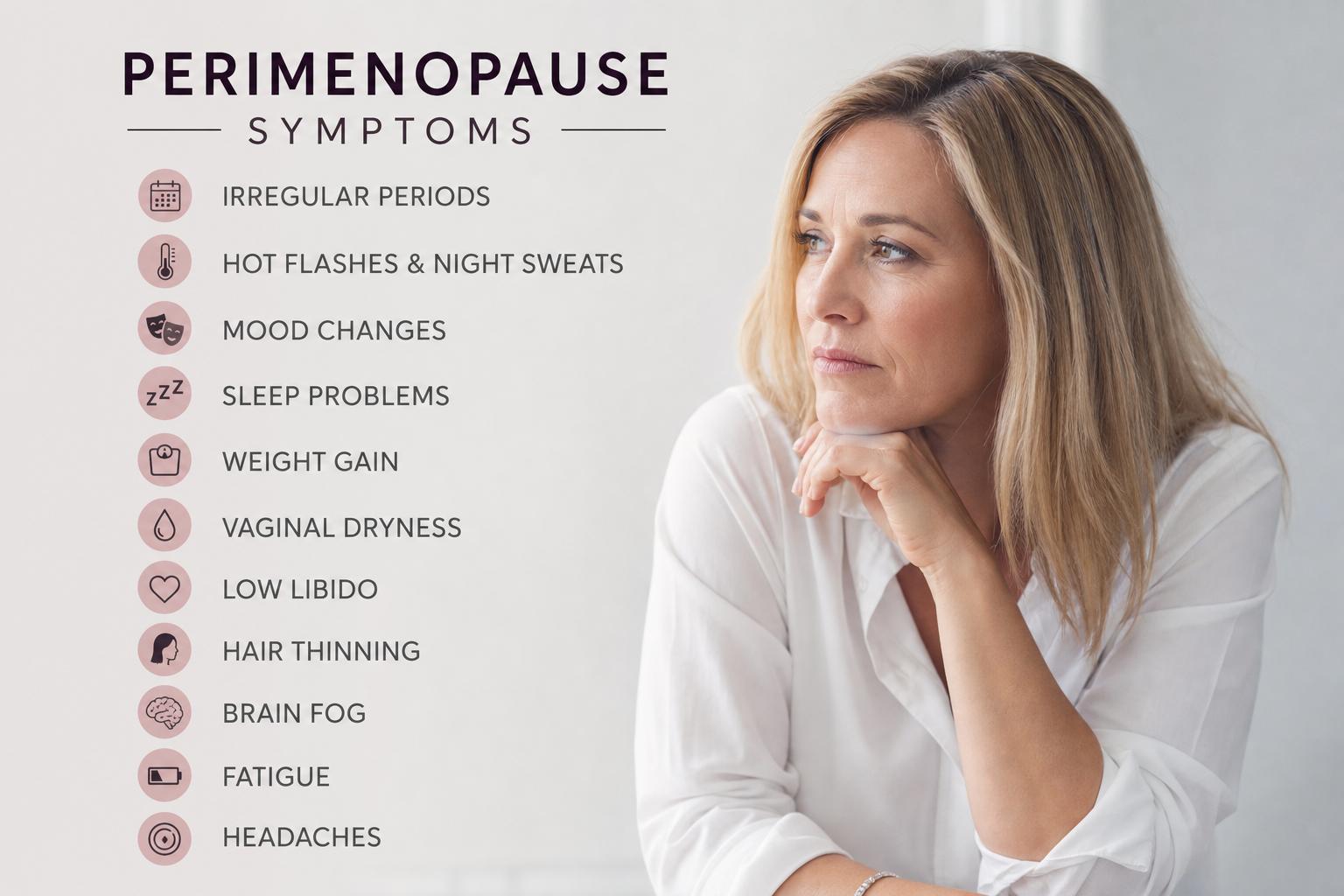
Perimenopause doesn’t arrive with a calendar invite. One year your period is an old friend—predictable enough—and the next it’s louder, messier, or suddenly missing. You wake up at 3 a.m. for no good reason. You’re quick to tears at an insurance commercial. You feel wired and tired all at once. If you’ve landed here wondering whether these are perimenopause symptoms and what to do about them, you’re in the right place.
This guide cuts through the noise. You’ll learn what’s actually happening to your hormones, which symptoms are common in perimenopause, when to see a healthcare provider, and how Canadians can access reliable, evidence-based care across provinces and territories. We’ll cover practical steps that help now, from cooling night sweats to navigating contraception in your forties, plus treatments your doctor or nurse practitioner may suggest—hormonal and non-hormonal. You’ll also find Canada-specific resources and answers to the most common questions women ask.
Let’s make sense of the transition, reduce guesswork, and help you feel more like yourself again.
What Perimenopause Is—and How It Typically Unfolds
Perimenopause is the transition leading up to menopause. Menopause itself is a single day—twelve months after your last natural period—followed by the postmenopause years. Most Canadians reach menopause around age 51, but perimenopause can begin much earlier, often in the mid to late forties and sometimes late thirties. The timeline varies widely; no two experiences are identical.
What defines perimenopause isn’t a single lab value. It’s a pattern of changes. Cycles may get closer together, then far apart. Bleeding can become heavier or lighter. You might notice hot flashes, night sweats, sleep disruptions, mood swings, brain fog, new headaches, joint aches, and vaginal dryness. Some months feel steady. Others, not so much. This unpredictability is part of the hormone story—not a personal failing.
In Canada, diagnosis is clinical. That means your healthcare provider usually relies on your history and symptoms, not routine blood tests, to identify perimenopause. Blood work may be ordered to rule out other issues like thyroid dysfunction, iron-deficiency anemia, or pregnancy, particularly if bleeding is heavy or irregular. We’ll cover how that assessment typically works later on.
The Hormone Rollercoaster: Why Perimenopause Symptoms Happen
During your reproductive years, the ovaries and brain coordinate a tidy dance of hormones. In perimenopause, that choreography falters. Ovulation becomes erratic. Estrogen can swing from very high to very low—sometimes within weeks. Progesterone, produced after ovulation, becomes less consistent or drops altogether in anovulatory cycles. Follicle-stimulating hormone (FSH) often climbs, but not predictably day to day.
Those swings drive common perimenopause symptoms. High estrogen without enough progesterone can thicken the uterine lining, leading to heavy or prolonged bleeding. Low and unstable estrogen contributes to hot flashes, night sweats, sleep fragmentation, vaginal dryness, and joint stiffness. Neurotransmitters like serotonin and GABA feel the ripple effects too, so mood and anxiety symptoms can flare even in people with no prior history.
It helps to remember: you’re not doing anything wrong. These are physiologic shifts. The goal is to understand the pattern and choose strategies—lifestyle, medical, or both—that fit your body and your life in Canada today.
Common Perimenopause Symptoms You Might Notice
Period Changes: Heavier, Lighter, Closer Together, or Skipped
Cycle irregularity is often the first sign of perimenopause. In early perimenopause, periods may arrive closer together, and bleeding can be heavier or longer. Later, cycles spread out with skipped months and spotting in between. Clots, cramps, and post-period “hangovers” can intensify, leaving you drained.
What’s typical? Some fluctuation. What’s not? Bleeding that soaks a pad or tampon every hour, passing clots larger than a toonie, bleeding longer than 8–10 days, or bleeding after sex. Those red flags warrant timely assessment because structural issues like fibroids or polyps are common in the forties, and rarely, abnormal bleeding can signal endometrial hyperplasia or cancer.
If heavy bleeding is your main complaint, effective options exist in Canada. The levonorgestrel-releasing IUD (52 mg) dramatically reduces bleeding for most users and also provides contraception. Non-hormonal choices like tranexamic acid (a prescription medication taken on heavy days) and NSAIDs can help too. We’ll discuss options in more detail below.
Hot Flashes and Night Sweats
That sudden, internal furnace—maybe followed by a chill—is the classic vasomotor symptom. Night sweats can drench pyjamas and bedding, shattering sleep. Triggers often include alcohol (especially wine), spicy food, overheated rooms, stress, and in Canadian winters, the abrupt switch from frigid outdoor air to blasting indoor heat. Summer heat waves can turn mild symptoms into misery.
Evidence-based treatments range from lifestyle adjustments to medication. Layered clothing, a bedside fan, cooling pillows, breathable fabrics (cotton, bamboo, moisture-wicking sleepwear), and paced breathing help some. Limiting alcohol and caffeine reduces triggers. For moderate to severe hot flashes, menopausal hormone therapy (MHT), also called hormone therapy (HT), is the most effective option for eligible people. Non-hormonal prescription medications like certain SSRIs/SNRIs and gabapentin can also reduce frequency and intensity.
Sleep Problems and 3 a.m. Wake-Ups
Many people in perimenopause can fall asleep but wake in the small hours, restless and alert. Sometimes it’s a night sweat; often it’s just your brain on “high volume.” Estrogen fluctuations affect melatonin and thermoregulation. Low or inconsistent progesterone matters too; progesterone has a calming, sleep-promoting effect in the brain.
Good sleep hygiene sounds boring until you try it consistently: keep the bedroom cool (17–19°C works for many Canadians), dim lights in the hour before bed, skip doomscrolling, and anchor your wake time even on weekends. Cognitive behavioural therapy for insomnia (CBT-I) is as effective as sleep medication in trials and effect lasts; many Canadians can access CBT-I digitally or through psychologists. A short, early evening session of light exposure (get outside) strengthens circadian cues, especially helpful during dark winters. If sleep remains elusive, discuss options like nighttime oral micronized progesterone, which can improve sleep quality in the right context, or non-hormonal medications.
Mood Shifts, Anxiety, and Brain Fog
Perimenopause can dial up irritability, tearfulness, and anxiety out of proportion to daily events. Brain fog shows up as word-finding glitches and scattered focus, especially when sleep is poor. This isn’t “all in your head.” Your brain’s neurotransmitters are responsive to estrogen and progesterone, and rapid fluctuations can amplify emotional reactivity.
Approach this like any health shift: reduce avoidable stressors where you can, and add supports. Aerobic exercise is a powerful mood stabilizer. Short, regular sessions beat heroic, occasional workouts. Mindfulness and CBT skills help many people navigate spirals without getting stuck. If symptoms are severe, persistent, or you have a history of depression or anxiety, talk to your primary care provider; perimenopause-related mood symptoms respond to standard treatments. In Canada, counselling may be available through employee assistance programs, community health centres, or private psychologists. For medication, SSRIs/SNRIs can target both mood and vasomotor symptoms—a two-for-one benefit.
Headaches and Migraines
Migraines often flare with hormonal volatility. You might notice new headaches around your period or mid-cycle, or a change in your usual pattern. Hydration, regular meals with protein, consistent sleep, and limiting alcohol help. For menstrual or hormonally linked migraines, your clinician may suggest non-hormonal options or, in some cases, transdermal estradiol in a steady dose, which creates fewer peaks and troughs than pills. If you have migraine with aura, combined estrogen-progestin contraceptives aren’t recommended due to stroke risk; other options are available.
Breast Tenderness and Body Changes
High estrogen runs can make breasts feel full and sore. Usually this ebbs as cycles space out. Compression sports bras, warm compresses, and moderating caffeine may help. Body composition also shifts with age and estrogen decline—more weight around the waist, less around hips and thighs, even if the scale barely moves. Strength training is your best friend here. Two to three sessions weekly preserve muscle and metabolism, protect bones, and improve insulin sensitivity. Pair that with daily walking and adequate protein, and you’ll feel the difference.
Joint Aches, Stiffness, and Palpitations
Estrogen helps maintain joint and cartilage health. When levels fluctuate, stiffness and aches can surprise you, especially in the morning. Gentle mobility work, resistance exercise, and anti-inflammatory eating patterns (emphasizing plants, omega-3s, and fewer ultra-processed foods) can ease symptoms. Heart palpitations—brief flutters or pounding—are also common. If palpitations are frequent, prolonged, or associated with chest pain, dizziness, or shortness of breath, seek medical assessment to rule out cardiac and thyroid issues.
Skin, Hair, and Eye Changes
Dryness is a theme. Skin may feel less dewy, acne can recur, and hair may shed more than usual. Switch to gentler cleansers, daily sunscreen, and fragrance-free moisturizers. For scalp hair thinning, topical minoxidil is available over the counter in Canada and has evidence for female pattern hair loss. Check with a healthcare provider before starting if you have scalp conditions or are on multiple medications. Dry eyes are also common; preservative-free artificial tears can help, and an optometrist can rule out other causes.
Vaginal Dryness, Pain With Sex, and Urinary Changes
As estrogen dips, the tissues of the vulva, vagina, and urinary tract thin and become less elastic. This cluster of issues is now called genitourinary syndrome of menopause (GSM), and it can begin in late perimenopause. Symptoms include dryness, burning, itching, decreased lubrication, pain with penetration, recurrent urinary tract infections, and urgency.
Don’t accept this as the “new normal.” Over-the-counter vaginal moisturizers used several times weekly maintain hydration between sexual activity, and lubricants reduce friction during sex. Look for glycerin-free or silicone-based options if you’re prone to irritation. For persistent GSM, low-dose local vaginal estrogen (prescription) is safe and very effective for most people, with minimal systemic absorption. In Canada, vaginal DHEA (prasterone) is another prescription option. If you have a history of estrogen-sensitive breast cancer, speak with your oncologist and primary care provider; decisions are individualized. Pelvic floor physiotherapy, available across many provinces, can help with pain and urinary urgency.
When It’s Not “Just” Perimenopause: Red Flags and Safety Checks
Perimenopause explains a lot, but not everything. Get timely medical care if you notice any of the following:
- Heavy bleeding soaking through a pad or tampon every hour, bleeding longer than 8–10 days, large clots (bigger than a toonie), or bleeding after sex
- New or worsening pelvic pain, bloating, or pressure
- Unintentional weight loss, fevers, night sweats not related to hot flashes, or persistent fatigue
- Palpitations with chest pain, fainting, or shortness of breath
- Severe, persistent headaches, new neurological symptoms, or visual changes
- New breast lump or skin changes
- Depression with thoughts of self-harm
- Any chance you might be pregnant—fertility is reduced but not zero in perimenopause
In Canada, you can call 811 in most provinces and territories to speak with a registered nurse for advice on whether to seek urgent care. If you are in distress or it’s an emergency, call 911 or go to the nearest emergency department.
Getting a Diagnosis in Canada: What to Expect
You don’t need a fancy test to “prove” perimenopause. A thoughtful history is usually enough. Your clinician will ask about cycle patterns, bleeding amount, hot flashes and night sweats, sleep, mood, sexual function, urinary changes, and family history. They’ll also ask about medications, smoking, alcohol, and your general health. A pelvic exam may be recommended if you have bleeding changes, pain, or GSM symptoms.
Do you need blood tests? Often, no. FSH, estradiol, and AMH bounce around too much in perimenopause to be diagnostic. However, targeted tests can be helpful:
- Pregnancy test if cycles are irregular or bleeding is unexpected
- Complete blood count (CBC) and ferritin if bleeding is heavy or you feel fatigued and dizzy
- Thyroid-stimulating hormone (TSH) if symptoms might reflect thyroid disease
- HbA1c or fasting glucose if there are signs of insulin resistance or diabetes risk
- Lipid panel and blood pressure as part of midlife preventive care
If bleeding is persistent, very heavy, or you have risk factors for endometrial hyperplasia (such as obesity, polycystic ovary syndrome, or family history), your clinician may order a transvaginal ultrasound and sometimes an endometrial biopsy. These tests are available across Canada; wait times vary by region.
Accessing care: Canadians can start with a family physician or nurse practitioner. If you’re unattached to a primary care provider, community health centres, women’s health clinics, sexual health clinics, and some virtual care services can help. Many provinces have centralized waitlists for primary care attachment. Pharmacists can offer guidance on over-the-counter supports and, in some provinces, adapt or renew prescriptions within their scope. For complex cases, referral to a gynecologist, endocrinologist, or menopause specialist may be appropriate.
Evidence-Based Treatments for Perimenopause Symptoms
There’s no one “right” plan. Choose tools that fit your symptoms, values, medical history, and stage of perimenopause. The list below starts with foundations that help almost everyone, then moves to targeted therapies—hormonal and non-hormonal.
Foundations First: Daily Habits With Outsized Impact
It may sound too simple, but basics move the needle:
- Sleep: Keep a consistent wake time. Dim lights and screens before bed. Keep your bedroom cool and quiet. If insomnia persists, consider CBT-I—a first-line treatment you can access digitally or through a trained therapist.
- Movement: Aim for at least 150 minutes of moderate aerobic activity weekly plus two days of strength training (Canada’s physical activity guidelines). Short bouts count. Resistance training preserves muscle, supports weight management, and protects bones.
- Protein and fibre: Many people feel better at 1.0–1.2 g of protein per kg body weight daily, spread across meals. Prioritize high-fibre foods—vegetables, fruit, legumes, whole grains—to steady energy and support heart health.
- Alcohol: Canada’s Guidance on Alcohol and Health suggests that no amount is truly “safe”; keeping intake to two standard drinks or fewer per week minimizes risk. Alcohol can also trigger hot flashes and fragment sleep.
- Caffeine: Track your response. Cutting back, especially after noon, often improves sleep and reduces palpitations and anxiety.
- Stress skills: Mindfulness, CBT strategies, and social connection blunt stress reactivity. Even five-minute “reset” practices help.
- Pelvic health: Pelvic floor physiotherapy can reduce urinary urgency, incontinence, and pelvic pain. Look for registered physiotherapists with pelvic health training in your province.
- Nutrition for bones: Emphasize calcium-rich foods (dairy, fortified plant milks, tofu set with calcium, leafy greens) and vitamin D. Osteoporosis Canada advises adults over 50 to consider 800–2000 IU of vitamin D daily, particularly in winter. Talk with your provider about your needs.
Non-Prescription Supports That Can Help
Cooling strategies are first-line for night sweats and hot flashes. Keep a fan at your workstation, layer clothing you can shed quickly, and choose moisture-wicking fabrics. At night, try a cooling pillow, breathable bedding, and a glass of ice water by the bed.
For GSM, regular use of vaginal moisturizers (several times weekly) reduces dryness and irritation. During sex, a generous amount of a good-quality lubricant can make all the difference; silicone-based or glycerin-free products often perform better if you’re prone to yeast infections or irritation.
Supplements are popular but evidence is mixed. Black cohosh, evening primrose oil, and phytoestrogens have inconsistent data and, in the case of black cohosh, rare reports of liver toxicity. If you’re considering a supplement, review it with a pharmacist or clinician who knows your medical history and medications. “Natural” doesn’t automatically mean safe or effective.
Melatonin can be useful in low doses for sleep onset, but not everyone benefits. Start low and avoid high daytime drowsiness. Magnesium glycinate is well tolerated by many people but isn’t a cure-all. Prioritize CBT-I before turning to pills; it works and it lasts.
Hormonal Options in Perimenopause
Hormonal therapies can stabilize the rollercoaster when symptoms are moderate to severe or when bleeding is disruptive. The best choice depends on whether you still need contraception, your personal and family medical history, and which symptoms bother you most.
Combined Hormonal Contraception (CHC)
Pills, patches, or rings that combine estrogen and progestin can steady cycles, reduce bleeding, improve cramps, and often lessen hot flashes. They also provide reliable contraception—important because pregnancy remains possible in perimenopause. Many Canadians in their forties tolerate CHC well, but they’re not for everyone. Contraindications include smoking over age 35, migraine with aura, personal history of blood clots, certain cardiovascular risks, and some cancers. Your clinician will screen you carefully.
Progestin-Only Options
Oral micronized progesterone (prescription) taken at night can improve sleep and help regulate bleeding in perimenopause, particularly when estrogen is spiking and ovulation is inconsistent. It’s not a contraceptive. Progestin-only pills and the levonorgestrel IUD reduce bleeding and provide contraception without estrogen. The 52 mg levonorgestrel IUD is especially effective for heavy menstrual bleeding and can also serve as the progestin component if you later add transdermal estradiol for vasomotor symptoms.
Menopausal Hormone Therapy (MHT/HT)
Estrogen therapy (plus a progestogen if you have a uterus) is the most effective treatment for hot flashes and night sweats. In perimenopause, clinicians often prefer transdermal estradiol (patch, gel, or spray) because it provides steady levels and is associated with a lower risk of blood clots compared with oral estrogen. If you still have your uterus, you need endometrial protection with a progestogen; options include oral micronized progesterone or a levonorgestrel IUD.
Who is a good candidate? Generally, people under 60 or within 10 years of their final period who have bothersome vasomotor symptoms and no contraindications. Hormone therapy also helps prevent bone loss. Risks and benefits vary by individual and formulation; decisions should be personalized with your healthcare provider. In Canada, compounded “bioidentical” hormones promoted by some clinics are not standardized; Health Canada-approved products are preferred for safety and dosing accuracy.
Non-Hormonal Prescription Options
If hormone therapy isn’t right for you—or you prefer to avoid it—several medications can reduce vasomotor symptoms:
- SSRIs/SNRIs such as venlafaxine, citalopram, escitalopram, or paroxetine can cut hot flashes in half for many people and also treat anxiety or depression. In Canada, low-dose formulations specifically for hot flashes may not be marketed, but standard doses are commonly used off-label.
- Gabapentin is particularly helpful for night sweats and sleep maintenance; dosing is typically in the evening.
- Clonidine is another option but tends to cause more side effects like dry mouth and hypotension.
These medications require a prescription and medical review of your history and other drugs to avoid interactions.
Genitourinary Syndrome of Menopause (GSM) Treatments
For persistent GSM, local vaginal estrogen is the gold standard. It’s applied as a cream, tablet, or ring and has very low systemic absorption. Benefits accumulate over weeks and continue with regular use. Vaginal DHEA (prasterone) is an alternative with evidence for vaginal dryness and pain with sex. These therapies do not treat hot flashes; they target the tissues that need estrogen locally.
Combine local therapy with moisturizers and lubricants for comfort. If urinary urgency or incontinence is an issue, pelvic floor physiotherapy and bladder training can significantly improve symptoms. Recurrent urinary tract infections sometimes decrease with local estrogen therapy; discuss your history with your clinician.
Everyday Strategies That Make a Real Difference
Beyond medications, the way you set up your day can shrink symptoms and restore a sense of control.
At Work and on the Go
Layer smart. Keep an extra top or scarf at your desk, a small fan if allowed, and a refillable water bottle. If your workplace has strict uniforms (healthcare, hospitality, industry), ask about breathable fabrics or small accommodations. Under Canada’s human rights frameworks, employers are expected to make reasonable accommodations for health needs. Approach HR with concrete proposals: a small desk fan, flexible breaks, or access to a cooler workspace during heat alerts.
On transit, claim a seat near a door where airflow is better. In winter, unzip coats before stepping inside to prevent overheating. In summer, a pocket-size cooling towel or portable fan can buy you instant relief.
At Home
Set the bedroom thermostat a few degrees lower than usual. Swap heavy duvets for layered blankets you can peel back mid-sweat. Keep spare pyjamas on the nightstand. If night sweats are relentless, consider waterproof mattress protectors and moisture-wicking sheets so cleanup is quick and sleep disruption is minimal.
Build a “reset routine”: five minutes of slow breathing, a glass of water, and a cool cloth when a hot flash starts. You can’t always stop a flash, but you can shorten the arc and soften the aftermath.
Budget and Access
Cost matters. Many effective supports are low-cost or free: walking, strength exercises using body weight or resistance bands, library-based CBT resources, and community programs. Provincial drug plans and private insurance vary widely; if you don’t have coverage, ask your pharmacist about generic options and manufacturer assistance programs. Community health centres and sexual health clinics often provide low-cost IUD insertion and counselling. In British Columbia, Options for Sexual Health clinics are a good entry point; in Ontario, nurse practitioner–led clinics may offer quicker access. If you live in a remote area, virtual care can bridge gaps, and 811 lines connect you to advice in most provinces and territories.
For Indigenous and Remote Communities
Access can be challenging. The Non-Insured Health Benefits (NIHB) program covers certain medications and medical supplies for eligible First Nations and Inuit clients. Community health nurses can coordinate care, and telehealth services can reduce travel burden. Ask about local pelvic health services; some physiotherapists offer periodic outreach clinics or virtual consults.
Bone, Heart, and Metabolic Health Through the Transition
Perimenopause is more than symptoms—it’s a window to invest in long-term health. Estrogen’s decline affects bones, cholesterol, and insulin sensitivity. Small, steady actions now pay off for decades.
Bone Health
Bone density drops fastest in the years around the final period. Resistance training, impact exercise (as tolerated), adequate calcium and vitamin D, and not smoking are cornerstones. Ask your clinician whether and when to have a bone density test (DXA). In Canada, most provinces screen women starting at 65 or earlier with risk factors like previous fractures, long-term steroid use, or very low body weight. If you’re at elevated risk, a tailored plan—including lifestyle, fall prevention, and possibly medication—can prevent fractures.
Cardiovascular and Metabolic Health
Midlife brings a gradual rise in blood pressure, LDL cholesterol, and insulin resistance. Combine annual blood pressure checks with periodic lipid panels and diabetes screening based on risk. The basics matter most: regular movement, high-fibre eating patterns, less alcohol, good sleep, and stress management. If you smoke or vape nicotine, seek support to quit—your heart and bones will thank you. For hot flashes, transdermal estradiol may carry lower clot risk than oral estrogen; discuss options that fit your cardiovascular profile.
Routine Screening
Stay current on cancer screening. Breast cancer screening with mammography is generally offered every two to three years from 50 to 74, with variations by province. Cervical screening is shifting toward HPV-based testing, with start ages and intervals differing across Canada; check your province’s program. Colorectal cancer screening with fecal immunochemical testing (FIT) usually starts at 50 for average-risk adults. If you notice any breast or gynecologic red flags, don’t wait for your next routine screen—book an assessment.
How Long Does Perimenopause Last? What to Expect Year by Year
Perimenopause can be surprisingly long—or brief. Early perimenopause often shows up as cycles that shorten by 7 or more days and new symptoms like breast tenderness or sleep changes. Late perimenopause follows, with skipped periods and longer gaps between bleeds. Menopause is confirmed after 12 straight months without a period if you’re 50 or older. If you’re under 50, many clinicians advise waiting 24 months before declaring menopause, because ovulation can still surprise you.
After menopause, hot flashes and night sweats usually ease over time but may linger for years in some people. Genitourinary symptoms tend to worsen without treatment. Bone loss slows but continues, making strength training and adequate protein lifelong priorities.
Contraception matters until menopause is confirmed. Guidance commonly used in Canada: continue contraception until 12 months without a period if you’re over 50, and 24 months if you’re under 50. The levonorgestrel IUD, progestin-only methods, or non-hormonal options like condoms can bridge the gap. Your clinician can help you transition from contraceptive hormones to menopausal hormone therapy when the time is right.
Quick-Glance Symptom Guide: Why It Happens and What Helps
| Symptom | Why It Happens | What Helps |
|---|---|---|
| Heavy/irregular bleeding | Estrogen spikes with inconsistent ovulation; uterine lining overgrows | LNG-IUD; tranexamic acid; NSAIDs; oral progesterone; assess for fibroids/polyps |
| Hot flashes/night sweats | Thermoregulatory instability as estrogen fluctuates | Cooling strategies; reduce alcohol; MHT; SSRIs/SNRIs; gabapentin |
| Insomnia | Hormonal effects on sleep centres; night sweats | CBT-I; cool bedroom; consistent wake time; progesterone at night (if appropriate) |
| Mood swings/anxiety | Neurotransmitter sensitivity to estrogen/progesterone shifts | Exercise; CBT; SSRIs/SNRIs; steady routines; social support |
| Headaches/migraines | Hormonal volatility | Hydration; regular meals; sleep; migraine-specific care; steady-dose estradiol if appropriate |
| Vaginal dryness/pain | Estrogen drop in genital tissues (GSM) | Vaginal moisturizers/lubricants; local estrogen; prasterone; pelvic physio |
| Joint aches | Tissue changes with lower estrogen; sleep disruption | Strength/mobility training; anti-inflammatory eating; MHT if indicated |
| Palpitations | Autonomic changes; anxiety; thyroid issues sometimes | Reduce caffeine/alcohol; manage stress; medical assessment if persistent or severe |
How to Track Perimenopause Symptoms Without Making It a Second Job
Tracking helps you spot patterns and decide what to try next. Keep it simple enough to do on busy days:
- Log your period start date, length, and flow (light/medium/heavy, any clots).
- Rate hot flashes/night sweats daily on a 0–3 scale.
- Note sleep quality (hours slept, number of awakenings).
- Capture big-picture mood (calm, irritable, anxious, low).
- List key triggers (alcohol, stress, travel, heat wave).
Revisit after 4–6 weeks. If you spot a consistent trigger, adjust. If symptoms are intensifying or affecting your work, relationships, or safety (driving tired is still driving tired), book an appointment. Bring your notes; clinicians love data that tells a story.
Making Treatment Decisions With Your Healthcare Provider
Good perimenopause care in Canada is collaborative. You bring your goals; your clinician brings options and nuance. Together, weigh benefits, risks, and logistics. A few tips:
- Start with your top two symptoms. Treat those first. You’ll get more relief with less complexity.
- Match the tool to the job. Heavy bleeding? An LNG-IUD often beats a pill. Night sweats disrupting sleep? Consider MHT or gabapentin. Mood plus flashes? An SSRI/SNRI might cover both.
- Review your personal and family history: blood clots, breast cancer, stroke, migraines with aura, high blood pressure, smoking, and liver disease all influence choices.
- If cost or access is a barrier, say so. Pharmacists and clinicians can often recommend effective, lower-cost alternatives or generics.
- Plan follow-up. Adjustments are normal. Recheck in 6–12 weeks after starting a new therapy.
Canadian Realities: Availability, Coverage, and Practicalities
Health care is local. A few Canadian-specific notes help set expectations:
- Primary care capacity varies. If wait times are long, leverage community clinics, sexual health services, and virtual care for interim support.
- 811 nurse advice lines operate in most provinces and territories; they can help triage concerns and advise on next steps.
- Medication coverage depends on provincial plans and private insurance. Seniors, those with low incomes, or specific medical conditions may qualify for public coverage. Your pharmacist can check formulary status and costs.
- Health Canada–approved hormone products ensure quality and dosing accuracy. Be cautious with compounded hormones unless there’s a specific medical need and you understand the trade-offs.
- Pelvic floor physiotherapy is widely available but often private-pay; some extended health plans cover it. Ask about community programs or sliding-scale clinics.
Real-Life Scenarios: What Works, When
“My periods are out of control, and I’m exhausted.”
Ask about the levonorgestrel IUD. It’s highly effective for heavy bleeding and provides birth control. If you can’t or don’t want an IUD, options include tranexamic acid on heavy days, cyclic oral progesterone, or combined hormonal contraception if eligible. Check ferritin and CBC; treat iron deficiency aggressively—it transforms energy levels.
“I wake up soaked most nights.”
Start with cooling the sleep environment and consistent wake times. Limit alcohol and late meals. If night sweats persist, discuss MHT or gabapentin with your clinician. If you choose MHT, transdermal estradiol plus a progestogen is often preferred. Reassess in 8–12 weeks.
“I feel irritable and teary for no reason.”
Track mood, sleep, and cycle patterns for a few weeks. Add regular aerobic movement and stress skills. If symptoms are impairing daily life—or you’d like faster relief—talk about an SSRI/SNRI. If you also have significant hot flashes, one medication may ease both.
“Sex hurts and I’m avoiding intimacy.”
Use a vaginal moisturizer a few times weekly and a generous amount of lubricant during sex. If pain persists, ask about local vaginal estrogen or prasterone. Consider pelvic floor physiotherapy for pain, tightness, or fear of penetration. Pain-free intimacy is a reasonable, achievable goal.
Myths to Skip—and What’s Actually True
- Myth: “You can’t get pregnant in your forties.” Reality: Fertility declines, but pregnancy is still possible until menopause. Use contraception if pregnancy is not desired.
- Myth: “Hormone therapy is too risky for everyone.” Reality: For many under 60 or within 10 years of menopause, the benefits for hot flashes, sleep, and bone health outweigh risks. Personalization is key.
- Myth: “If your labs are normal, it’s not perimenopause.” Reality: Hormone levels swing day to day. Diagnosis is clinical.
- Myth: “Vaginal estrogen is the same as systemic hormones.” Reality: Local therapy is minimally absorbed and is considered safe for most, even long term.
- Myth: “Suffering is inevitable.” Reality: Effective, safe treatments exist. You deserve care that helps.
A Simple Plan to Start This Week
- Track: Note your period, sleep, hot flashes, and mood for two weeks.
- Sleep: Fix your wake time and cool your bedroom tonight.
- Move: Schedule two strength sessions and three 20–30 minute walks.
- Reduce triggers: Skip alcohol for two weeks and cut caffeine after noon.
- Relief now: Buy a vaginal moisturizer and a high-quality lubricant if dryness is an issue.
- Book: Make an appointment with your primary care provider or a clinic if symptoms are disrupting your life—bring your tracking notes.
Resources Across Canada
Reliable information matters. Consider these starting points:
- Society of Obstetricians and Gynaecologists of Canada (SOGC) patient resources
- Menopause Foundation of Canada for public education and advocacy
- Canadian Menopause Society for clinician directories and guidance
- Osteoporosis Canada for bone health recommendations
- Provincial 811 health information lines for nurse advice
- Community health centres and sexual health clinics (e.g., Options for Sexual Health in BC)
FAQs: Perimenopause Symptoms and Care in Canada
How long do perimenopause symptoms last?
Most people experience perimenopause for 2–8 years. Early changes may be subtle—shorter cycles, tender breasts, sleep hiccups—followed by late perimenopause with skipped periods and more pronounced hot flashes. After menopause, vasomotor symptoms tend to ease, though some people have them for years. GSM (vaginal and urinary changes) often progresses without local treatment.
Do I need a blood test to diagnose perimenopause?
Usually not. Because hormones fluctuate, a single FSH or estradiol result rarely changes management. Clinicians base the diagnosis on your cycle history and symptoms. Blood work may be ordered to exclude other conditions (e.g., thyroid issues, anemia, pregnancy) or to inform broader midlife care (lipids, glucose).
What’s the difference between perimenopause symptoms and thyroid problems?
There’s overlap: both can cause fatigue, mood changes, and temperature intolerance. Hypothyroidism often includes weight gain, cold intolerance, constipation, and dry skin; hyperthyroidism can cause heat intolerance, palpitations, and anxiety. If your symptoms are pronounced or atypical, your provider may check TSH to clarify.
Can I use birth control pills in my forties?
Yes—if you’re a good candidate. Combined hormonal contraception can smooth cycles, reduce bleeding, and lessen hot flashes while providing contraception. It’s not appropriate for everyone (e.g., smokers over 35, migraine with aura, certain cardiovascular risks). Alternatives include progestin-only methods and the levonorgestrel IUD.
Is hormone therapy safe?
For many people under 60 or within 10 years of menopause who have bothersome vasomotor symptoms, the benefits of hormone therapy outweigh the risks. Transdermal estradiol and micronized progesterone often have favourable safety profiles. Your personal and family history determines the fit. Discuss with your clinician; there’s no one-size-fits-all answer.
What if I can’t take hormones?
You still have strong options. SSRIs/SNRIs and gabapentin reduce hot flashes. CBT-I improves sleep. Vaginal moisturizers and lubricants often help GSM; local vaginal therapies like low-dose estrogen or prasterone treat pain and dryness with minimal systemic absorption. Lifestyle strategies amplify benefits regardless of the path you choose.
How do I know if bleeding is too heavy?
If you soak through a pad or tampon every hour, pass clots larger than a toonie, bleed longer than 8–10 days, or feel lightheaded, book an appointment promptly. Heavy bleeding can lead to iron deficiency and may signal fibroids, polyps, or other issues that need attention.
When can I stop using contraception?
General guidance used in Canada: if you’re 50 or older, wait 12 months after your last period before stopping contraception. If you’re under 50, wait 24 months. If you have an IUD or are using hormonal methods that suppress bleeding, your clinician can help determine timing and, if needed, transition to menopausal hormone therapy.
Will I gain weight in perimenopause?
Weight tends to drift up by a small amount over midlife due to aging, reduced muscle mass, and hormonal shifts. More noticeable is a change in fat distribution toward the abdomen. Strength training, adequate protein, regular movement, and mindful alcohol intake help a great deal. It’s not about perfection—consistency wins.
Are “bioidentical” hormones better?
Many approved, regulated products in Canada are bioidentical (e.g., transdermal estradiol, oral micronized progesterone). Compounded hormones from custom pharmacies are not standardized in dose or purity and are generally avoided unless there’s a specific medical reason. Ask for Health Canada–approved therapies first for safety and quality.
What about herbal remedies for hot flashes?
Evidence is inconsistent. Some people report benefit from products like black cohosh or soy isoflavones, but high-quality trials are mixed and safety varies. Because supplements can interact with medications and aren’t regulated like prescription drugs, discuss options with your pharmacist or clinician before trying them.
How can I find a menopause-informed provider in Canada?
Start with your family doctor or nurse practitioner. If you need more specialized care, ask about referrals to gynecologists or clinicians with menopause expertise. The Canadian Menopause Society and the Menopause Foundation of Canada offer directories and resources. Community health centres and sexual health clinics can also be good entry points.
The Bottom Line
Perimenopause is a transition, not a test. If your periods are chaotic, your sleep is ragged, and your patience is thin, you’re not alone—and you’re not stuck. In Canada, you have access to evidence-based options that can make daily life easier: cooling strategies, CBT-I, strength training, non-hormonal medications, contraceptive tools that tame bleeding, and hormone therapy for those who are good candidates. Track a few key symptoms, pick the first lever to pull, and ask for help when you need it. Relief is not a luxury; it’s reasonable, and it’s within reach.