
The Complete Canadian Guide to adidas shoes: Models, Sizing, Prices, and Smart Buying Tips
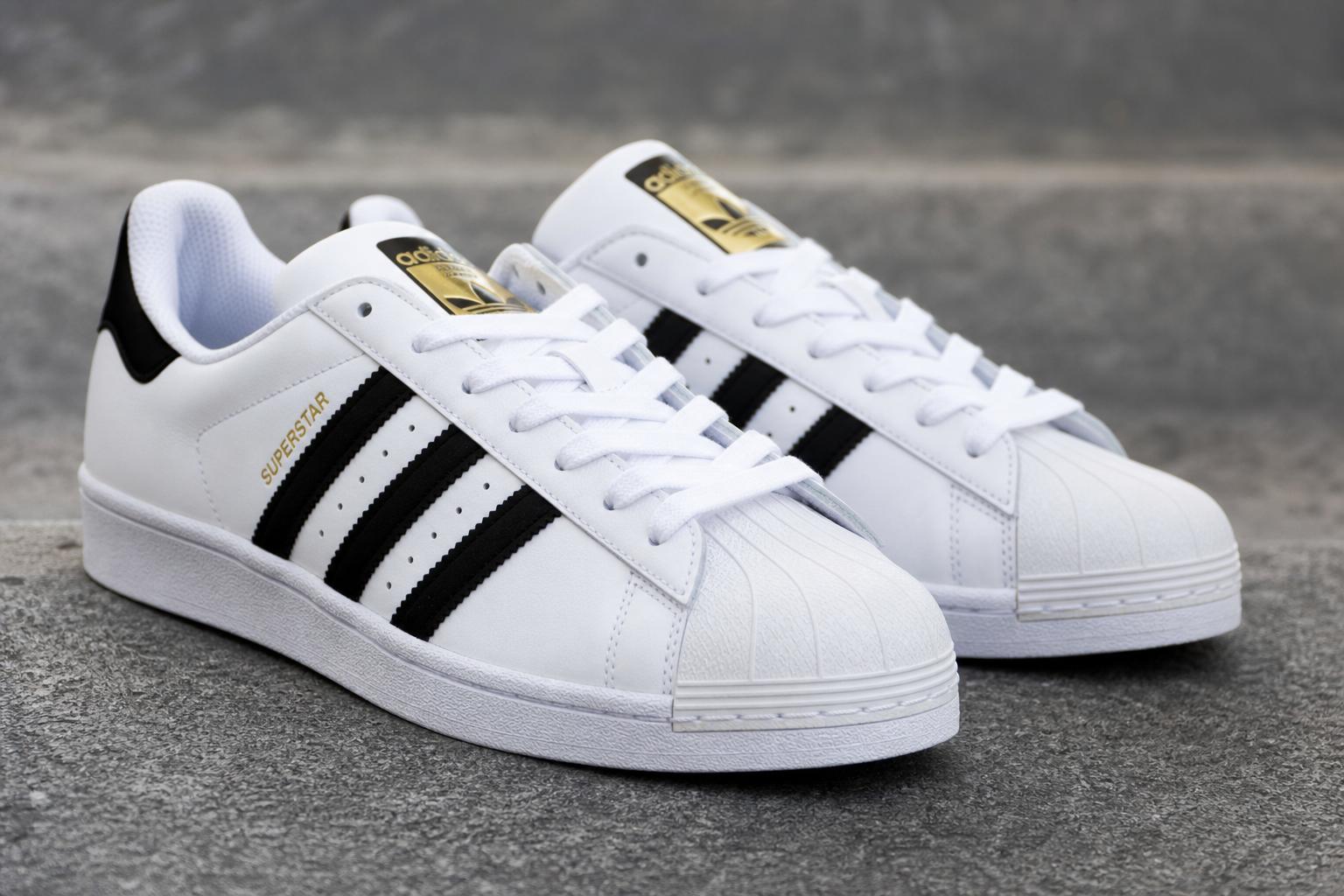
Three stripes show up everywhere in Canada: on the SkyTrain in Vancouver, in a Halifax spin studio, on college campuses in Montreal, and trudging through Toronto slush. adidas shoes have earned that visibility by being both familiar and forward-thinking—comfortable enough for daily wear, technical enough for sport, and versatile enough to pair with whatever’s in your closet. If you’re shopping in Canada, though, there are details worth knowing: how sizing really runs, what you should pay, how to navigate taxes and duties, and which models make sense for our climate and terrain.
This in-depth guide breaks it all down. You’ll get clear, practical advice on fit, the best adidas shoes for your needs, Canadian pricing and places to buy, weather-proofing for winter, and how to avoid common pitfalls (like wearing the wrong cleats on turf or discovering a too-narrow Samba after the return window closes). We’ll keep it real, with examples and tips tailored to Canadian conditions and consumer rules, so you can find the right pair and make them last.
adidas at a glance: the stripes, the tech, the categories
adidas was founded in 1949 by Adolf “Adi” Dassler in Herzogenaurach, Germany, and the three stripes quickly became a symbol of performance sport. Over the decades, the brand has managed a neat trick: protecting classics like the Samba, Superstar, and Stan Smith while rolling out fresh technologies and silhouettes. The result is a wide catalogue that stretches from Olympic-calibre marathon racers to skate icons and cozy everyday staples.
Innovation is the throughline. Boost cushioning—those springy, pebbled midsoles—sparked a comfort arms race after their debut in the early 2010s. Primeknit brought engineered knit uppers to running and casual models. 4D midsoles used light and resin to “print” a lattice underfoot. More recently, the Adizero line’s Lightstrike Pro foams and carbon-infused plates pushed adidas back to the front of the distance-running pack. For grip, Continental rubber outsoles turned up across running and outdoor segments, adding winter-friendly traction many Canadians quietly swear by.
You’ll mostly encounter these families:
- Originals: lifestyle legends (Samba, Stan Smith, Superstar, Gazelle, Campus, Forum, ZX)
- Running: Ultraboost, Supernova, Solar series (e.g., SolarGlide, SolarControl), Adistar, Adizero (Boston, Adios, Takumi Sen, Adios Pro, Prime X)
- Training and gym: Dropset Trainer, Powerlift, Adipower weightlifting
- Soccer (football): Predator, Copa, X; indoor and turf options, plus futsal
- Basketball: signature lines for James Harden, Damian Lillard, Trae Young
- Outdoor (Terrex): Free Hiker, Swift R3, AX4, Agravic, and Five Ten climbing/flat-pedal shoes
- Skateboarding: Busenitz, Tyshawn, Puig, Campus ADV
- Collaborations and limited drops: Wales Bonner, Bad Bunny, Y-3, Spezial
Knowing the lane each model occupies is half the battle. The rest is honest fit, budget, and use case—especially with Canadian weather in the mix.
Choosing the right adidas shoes for your life in Canada
Think about where your shoes will work hardest: a slushy commute, a treadmill in January, soccer on artificial turf in Mississauga, or a Sunday stroll on Vancouver’s Seawall. Different lines shine in different roles. Here’s how to match them to real-world use.
Everyday lifestyle: comfort, style, and Canadian practicality
The Originals line is the one you notice on the street. Vintage styles play nicely with jeans, office-casual fits, and weekend wear. They’re not winter boots, and most aren’t waterproof, but with a little care they carry you comfortably three seasons a year (and more if you’re careful).
Top picks and what they’re like to live with:
- Samba: Sleek, low-profile, indoor-soccer DNA. They feel narrow through the toe for many feet. Great for spring/summer and clean looks, less ideal for wide feet or snowy sidewalks. Many Canadians size up half a size if they’re in-between or have a wider forefoot.
- Superstar: Leather upper, iconic shell toe, cupsole comfort. Roomier than Samba, easy to clean. A reliable everyday commuter shoe, especially in fall. Slippery on ice, so add caution or traction aids in winter.
- Stan Smith: A minimalist, low-cut leather staple. Pairs with everything. Not much arch support; add an insole if your feet like structure. White versions need a salt-stain plan (more on care later).
- Gazelle and Campus: Suede uppers with classic stripes. Gorgeous colour options. Suede and Canadian road salt don’t mix well—pre-treat with a reliable suede protector if you want them to last.
- Forum: 1980s basketball silhouette, chunkier ride, strap on some versions. A more cushioned alternative if Sambas feel too slim.
- ZX series: Retro-running vibe, often with Torsion shanks for midfoot stability. Comfortable for all-day exploring in cities like Quebec City or Victoria.
Tip for long days on your feet: looks can get you in the door, but insoles keep you in the room. Many adidas shoes have removable insoles—swap in a supportive one if your arches need it.
Running: from daily kilometres to race day
Canadian runners deal with four distinct seasons, which complicates shoe rotation in the best way. You want something stable on wet leaves in October, a soft daily trainer that doesn’t mind the treadmill in February, and a light, snappy option for spring races. adidas shoes cover those bases.
- Ultraboost: Plush, boosted comfort, Primeknit uppers on many versions, Continental rubber on most outsoles. Fantastic for easy runs and standing all day. They fit snug—try half a size up if you’re between sizes or prefer toe room.
- Supernova and Supernova Rise: Neutral daily trainers tuned for comfort and reliability without the premium price tag. A good starting point if you’re building mileage.
- SolarGlide (neutral) and SolarControl (stability): Versatile workhorses. SolarControl includes added guidance for overpronation, useful if you want a steady platform on longer runs.
- Adistar: Firmer, rockered geometry for cruisy long runs. Great if you prefer a stable feel underfoot on the Seawall or Don Valley trails.
- Adizero Boston and Adizero Adios: Lighter, peppier trainers for tempo days and faster efforts. Pair nicely with a daily trainer.
- Adizero Takumi Sen and Adizero Adios Pro: Race-day finesse. Adios Pro brings carbon-infused energy rods and Lightstrike Pro foam—built for marathons and half-marathons. Takumi Sen is a lethal 5K–10K shoe.
- Adizero Prime X: Max-stack experiment for cushioned speed. Note: certain sanctioned competitions have stack height rules; check race regulations if you’re competing under Athletics Canada or World Athletics standards.
Winter running in Canada? Consider models with Continental rubber for grip. Add screw-in traction devices or use winterized routes when it’s icy. Also, rotate pairs—letting shoes dry for 24–48 hours in a warm, ventilated spot keeps foams lively and uppers fresh.
Training and the gym: stability trumps squish
For lifting, you want a stable base, not a trampoline. adidas training shoes trade plushness for ground contact, torsional support, and grippy outsoles that don’t squeak on hardwood.
- Dropset Trainer: Low-profile, flat-ish platform, supportive sidewalls. Excellent for strength circuits, sled pushes, and machines.
- Powerlift and Adipower weightlifting: Elevated, rigid heel for squat depth and stability on Olympic lifts. If you’re power-cleaning at a YMCA in Edmonton or training at a community barbell club in Guelph, these are the right tools.
- Retrobasketball-inspired trainers: Some lifters use Forums or similar cupsole shoes for deadlifts due to flatness and stability. Just confirm the outsole’s grip on your gym floor.
Soccer and futsal: choose studs for the surface
Canadian communities rely heavily on artificial turf, especially through shoulder seasons. Picking the right outsole matters for safety and performance.
- Firm ground (FG): Standard molded studs for natural grass. On turf, FG can be uncomfortable or even risky—consider AG on turf fields.
- Artificial grass (AG): Shorter, more numerous studs designed for turf. Your shins, knees, and field managers will thank you.
- Soft ground (SG): Metal studs for muddy, natural grass. Rarely appropriate for municipal fields; check league rules.
- Indoor (IN) and futsal: Flat, non-marking soles for gym floors. The Samba is a classic here; adidas also makes dedicated futsal options in the Predator and Copa families.
Model lines to know: Predator (control, grip on the upper), X (speed-focused), Copa (leather touch). For kids in community leagues, durability and the right sole type beat fancy uppers every time.
Basketball: cushioning, court feel, and support
Signature lines from Harden, Lillard, and Trae Young bring different blends of cushioning and stability. If you play in a community centre with dusty floors, look for models with good bite and a slightly wider base for lateral stops. Try them on: foot shapes vary, and basketball shoes run from snug-and-locked to roomy forefoot fits.
Outdoor (Terrex): hikers and shoulder-season saviours
Terrex is adidas’ outdoor arm. Expect trail-savvy traction, supportive midsoles, and options with waterproof membranes (often GORE-TEX). In rainy Vancouver or shoulder-season Calgary, these are daily heroes.
- Terrex Free Hiker: A hiking shoe that wears like a sneaker, often with Boost comfort and a sock-like collar. Great for urban-to-trail transitions.
- Terrex Swift R3: Secure, protective, and grippy—solid choice for roots and rocks in Gatineau Park or the North Shore.
- Terrex AX4: Value-forward hiker with versatile tread.
- Five Ten (owned by adidas): Specialized for climbing and flat-pedal cycling. The Stealth rubber bites pedals exceptionally well for MTB trails in places like Squamish or Bromont.
Skateboarding: durable and deck-ready
adidas Skateboarding reworks classics with board feel and durability in mind. The Busenitz is a shop favorite across Canada: nimble, supportive heel, reinforced toe. Tyshawn adds cush and impact protection. Many models use suede—remember your protector spray if you’re pushing through winter.
Kids and youth: fit, closures, and playground reality
For school and sports, look for:
- Velcro and elastic options for younger kids
- Non-marking soles for school gyms (many adidas kids’ court shoes specify this)
- Room at the toe for growth, but not so much that feet slide forward on stairs
Durability matters more than hype. If your kid skids toes on pavement, rubberized toe caps pay for themselves.
How adidas shoes fit: Canadian sizing, width, and feel
In Canada, sizing typically follows US standards. Men’s and women’s sizes mirror US equivalents, and EU sizes appear on the box and tongue label. Still, each last is unique. Here’s how the mainstays fit and what to watch for.
General sizing pointers
- Measure at day’s end: your feet swell. Shop then, or add a bit of toe room if buying online.
- Running shoes: aim for a thumb’s width between your longest toe and the end. This prevents black toenails on descents (hello, Vancouver’s hills) and swelling pressure in summer.
- Width: adidas commonly uses a standard width (D for men, B for women). Truly wide options are limited; models with knit uppers often accommodate more forefoot volume.
- Insoles/orthotics: many adidas shoes have removable insoles. If you rely on custom orthotics, look for a deeper, roomier model and avoid super-sculpted footbeds.
How popular models feel on foot
- Samba: narrower toe box, low volume. If you’re between sizes or wide, consider half-size up.
- Superstar: more forgiving width, structured leather upper, true to size for most.
- Stan Smith: true to size to slightly long; leather can stretch a touch over time.
- Ultraboost: snug midfoot and heel; many go half-size up, especially with thicker socks.
- SolarGlide/SolarControl: moderate fit with decent midfoot hold, true to size for most runners.
- Adizero racers: performance fit—snug, locked-in. Try before race day and adjust socks accordingly.
- Terrex hikers: performance-hiker fit; try with the socks you’ll wear on trail.
Nothing replaces trying pairs in-store, especially if you have wide feet, bunions, or a high instep. If you’re remote, order two sizes from a Canadian retailer with a friendly return policy and keep the one that loves your feet more.
Prices in Canada: what to expect and how to save
adidas shoes span approachable to premium pricing. Currency fluctuations, supply, and collaborations can nudge numbers, but these ranges are a reliable snapshot.
Typical price ranges (CAD)
| Category | Representative models | Typical MSRP (CAD) | Notes |
|---|---|---|---|
| Lifestyle (Originals) | Samba, Stan Smith, Superstar, Gazelle, Campus, Forum | $110–$180 | Suede versions and collaborations run higher |
| Daily running | Supernova, SolarGlide, SolarControl, Adistar | $140–$220 | Stability usually costs a bit more |
| Premium running | Ultraboost | $200–$260 | Special editions can exceed this |
| Speed/race | Adizero Boston, Adios, Takumi Sen, Adios Pro | $170–$350 | Carbon-infused racers sit at the top end |
| Outdoor (Terrex) | Free Hiker, Swift R3, AX4, Agravic | $140–$280 | GORE-TEX adds cost |
| Training/Lifting | Dropset Trainer, Powerlift, Adipower | $120–$300 | Weightlifting shoes use specialized construction |
| Soccer | Predator, Copa, X (FG/AG/IN) | $80–$380 | Top-tier “+” or “.1” models cost more |
| Skateboarding | Busenitz, Tyshawn, Campus ADV | $100–$160 | Collabs and ADV builds vary |
Promotions are common: seasonal sales, mid-season markdowns, student discounts, and member offers. Price varies by retailer, and stock in Canada can sell out quickly on hype releases, especially collaborations.
How to find deals without wasting time
- Creators Club: Join on adidas.ca for early access and member pricing. Free shipping offers often show up here.
- Outlets: Look for adidas Factory Outlet stores in centres like Toronto Premium Outlets (Halton Hills), McArthurGlen (Vancouver), CrossIron Mills (near Calgary), and Premium Outlets Montréal (Mirabel). Selection changes weekly—go with a flexible wish list.
- Major retailers: Sport Chek, Foot Locker Canada, JD Sports, SSENSE, Simons, Livestock, and Haven run periodic sales. Some offer price matching—always check each store’s current policy.
- Off-season buys: Terrex in late spring, sandals in fall, winterized pairs in March—timing can shave serious dollars.
- Student and military discounts: adidas Canada and several retailers periodically partner with StudentBeans or UNiDAYS and offer service-member savings. Availability shifts; verify live eligibility.
Taxes, duties, and shipping: the Canadian fine print
Buying within Canada keeps things simple: you pay GST/HST (or GST + PST/QST), and that’s it. Shipping thresholds vary, though Creators Club members often see reduced or free shipping offers.
Ordering from abroad? Under the Canada–United States–Mexico Agreement (CUSMA), shipments from the U.S. and Mexico sent by courier may be exempt from customs duties up to $150 CAD, and federal/provincial sales taxes can still apply above $40 CAD. The details can be nuanced and couriers may charge brokerage, so check the seller’s shipping policy and your chosen carrier’s fee structure. For peace of mind, buying from adidas.ca or Canadian retailers avoids surprise charges and supports easier returns.
One extra consumer note: Canadian law addresses “drip pricing” (advertising a price that’s unattainable due to mandatory fees). With shoes, this mostly shows up in transparent checkouts. Taxes and shipping are typically excluded from “all-in” requirements, but mandatory fees should be disclosed up front. If a price looks too good to be true, read the cart carefully before you click buy.
Buying adidas shoes in Canada: where to shop and what to expect
You’ll find adidas shoes coast to coast, from big-box retailers to boutiques. Each channel has strengths: breadth, price, or access to limited releases.
adidas Canada: the source
The official site (adidas.ca) has the most consistent sizing runs and a steady flow of new colourways. The CONFIRMED app is the go-to for limited drops and collaborations in Canada. Member programs, occasional site-wide promos, and easy-to-understand product pages are strong draws.
Major retailers and boutiques
- Sport Chek: Deep selection for running, training, and soccer. Frequent promotions and a wide store network from B.C. to Atlantic Canada.
- Foot Locker Canada and Champs: Strong casual and basketball assortment, with occasional exclusive colourways.
- JD Sports: Trend-forward picks, including Originals and some performance crossovers.
- SSENSE (Montreal-based) and Simons (Quebec-founded): Fashion-leaning choices and collabs.
- Livestock, Haven, Capsule (Toronto), OTH (Montreal), NRML (Ottawa): Boutique curation, collab drops, and knowledgable staff.
Each store’s return policy differs. Many offer 14–30 day returns on unworn shoes in original condition; some extend to holiday windows. Keep receipts and try shoes on clean floors at home until you’re sure they fit—salt stains or outsole wear can void a return.
The resale market and how to avoid counterfeits
For coveted adidas shoes—Wales Bonner Sambas, Bad Bunny Campus, limited Ultraboosts—resale platforms and consignment shops can be tempting. If you go that route:
- Buy from reputable Canadian consignment stores or well-known platforms with authentication.
- Examine product codes (on the tongue label) and match them with adidas’ official SKU and colour. Boxes, stitching, and insole prints should look clean and consistent.
- Counterfeit goods can be detained by the Canada Border Services Agency; if a deal is wildly below market, assume risk is high.
For most shoppers, the official site and authorized retailers are the safest, simplest route.
Performance deep dive: cushioning, traction, and stability in plain language
Buzzwords get loud in footwear. Here’s what adidas’ signature tech actually feels like—and when it helps in Canada.
Boost, Lightstrike, and Bounce: how they ride
- Boost: Made from expanded TPU beads fused into a midsole. Feels plush and bouncy, especially in colder weather where traditional foams can stiffen. Great for long shifts, easy runs, and all-day comfort. Slightly heavier than the newest race foams.
- Lightstrike and Lightstrike Pro: Modern PEBA- and EVA-based blends tuned for speed. Lightstrike Pro is springy and light—used in Adizero racers. In winter, it stays more resilient than older EVA foams.
- Bounce: Durable, budget-friendly cushioning in some trainers and court shoes. Feels firm and stable with moderate give.
If you commute in -10°C, Boost and Continental rubber are a friendly combo. For race day, Lightstrike Pro rules. For the gym, firm beats squish—look to Dropset, Powerlift, or Adipower platforms.
Primeknit and engineered mesh: breathability vs structure
Primeknit wraps the foot, flexing with movement. It’s comfy in spring/summer and can ease pressure for wider forefeet, but it won’t resist lateral forces like a stiffer mesh with overlays. For cutting sports or trail, choose structured uppers. For everyday wear and easy runs, Primeknit feels like a sock that grew traction.
4D midsoles: printed lattices and niche benefits
adidas 4D uses light and resin to create lattice midsoles with tuned zones. The ride is distinct: firm under load with elastic rebound. It’s more about novelty and design than a must-have upgrade, but some runners enjoy the feel for short miles and everyday use.
Traction you can trust: Continental rubber
Many adidas running and outdoor outsoles use Continental rubber compounds. The practical upside in Canada: wet grip. Whether it’s a rainy October in Victoria or a thaw-freeze cycle in Ottawa, Continental-labeled outsoles tend to feel more assured on damp surfaces. They’re not ice-proof—nothing rubber-only is—but they raise the confidence floor.
Stability and guidance: torsion and geometry
adidas often uses midfoot shanks (Torsion) and broadened bases to resist twisting, plus firmer foams in the medial midsole for stability models. If you overpronate or want a steady ride on longer runs, SolarControl or firmer, rockered shoes like Adistar can help. For lifters, a rigid heel and wide base (Adipower, Powerlift) is the whole point.
Care and maintenance for Canadian weather
Snow, road salt, and spring slush are hard on shoes. With a bit of prep, your adidas shoes stay cleaner and last longer.
Waterproofing and protection
- Suede and nubuck (Gazelle, Campus, Busenitz): Pre-treat with a suede protector. Reapply monthly through winter or weekly if you’re out in wet snow.
- Leather (Stan Smith, Superstar): Use a general leather protector and condition occasionally to prevent drying and cracking.
- Knit and mesh (Ultraboost, Supernova): Sprays help repel light moisture, but these aren’t rain boots. Consider Terrex for true wet-weather duty.
Cleaning salt stains and slush marks
- Salt on leather: Wipe with a 1:1 mix of white vinegar and water, then clean with a gentle leather cleaner and dry with a soft cloth.
- Salt on suede: Let it dry, brush gently with a suede brush, then dab lightly with a small amount of white vinegar solution. Avoid soaking.
- Knit uppers: Remove laces and insoles. Hand-wash with mild soap and cool water. Air-dry stuffed with paper to hold shape.
Drying and deodorizing
- Never use high heat: no dryer, no baseboards. Heat can warp midsoles and crack glues.
- Airflow is king: remove insoles, loosen laces, and place shoes in a warm, ventilated spot.
- Odour control: sprinkle a bit of baking soda or use charcoal inserts overnight, especially after gym sessions.
When to replace your running shoes
Most running shoes last 500–800 km, depending on your build, stride, and surfaces. Signs it’s time:
- Outsole rubber worn smooth at the forefoot or heel
- Creased or “dead” midsole that feels flat
- New aches after runs that vanish when you switch to fresher shoes
Rotate pairs if you can. Letting foam recover adds life and cuts drying time in winter.
Sustainability and materials: what adidas is doing (and what you can do)
adidas has increased the use of recycled and responsibly sourced materials in recent years. You’ll see labels like PRIMEGREEN and PRIMEBLUE (the latter developed with Parley for the Oceans, incorporating upcycled plastic waste). Some models feature high recycled content, and the brand has piloted take-back and “Made to Be Remade” programs in select markets. Availability changes—check product pages for material breakdowns and any Canadian return-to-recycle options.
On your end, the most sustainable shoe is the one you wear often and keep in service longer. Choose versatile colours you’ll reach for, repair scuffs and loose threads promptly, and donate still-wearable pairs to Canadian charities when you’re done.
Safety, workplaces, and school rules in Canada
Quick reality check: most adidas lifestyle and running shoes are not safety footwear. If your job requires CSA-approved protection (green triangle for Grade 1 toe protection and puncture-resistant sole, for example), look for the proper CSA marking. Many worksites in Canada mandate this and will turn you around at the gate without it.
For schools, many gymnasiums require non-marking soles. Indoor adidas court shoes and futsal models typically comply; black-soled casual sneakers might not. If you’re unsure, do a quick rub test on a blank floor tile at home.
Common mistakes Canadians make when buying adidas shoes (and how to avoid them)
- Buying Sambas for wide feet and expecting miracles: they’re narrow. Try Superstars, Forums, or knit uppers if you need room.
- Wearing FG cleats on turf: uncomfortable and can stress joints. Choose AG for artificial grass, IN for indoor courts.
- Winter commuting in mesh runners: your toes will tell you. Grab Terrex or at least treat uppers, wear merino socks, and slow down on ice.
- Assuming all returns are equal: policies vary by retailer. Try shoes gently indoors until you’re sure.
- Ignoring tax and duty rules: ordering from abroad can attract taxes and fees. adidas.ca and Canadian retailers keep it simple.
- Chasing hype and hating the fit: the best adidas shoes are the ones you actually wear. If a collab pinches your toes, it’s not your shoe.
Model recommendations by scenario
These aren’t the only answers, but they’re reliable starting points—refined by what works on Canadian streets and trails.
All-day comfort for commuting and casual wear
- Ultraboost: Cushy, easy on joints during long days. Add a water-resistant spray in fall.
- Superstar: Durable leather and iconic style; pairs with office casual and denim.
- Stan Smith: Minimalist and versatile. Keep a magic eraser handy for scuffs.
Starting a 5K–10K training plan
- Supernova or SolarGlide: Forgiving, stable daily trainers that handle most runs well.
- Adizero Boston: Add for faster days once mileage builds.
Half-marathon to marathon personal best
- Daily: SolarGlide or Adistar (if you like a stable rocker)
- Speedwork: Adizero Boston or Adios
- Race day: Adizero Adios Pro (fit and feel tested ahead of time)
Weekend hikes and mixed urban-trail adventures
- Terrex Free Hiker: Sneaker comfort, trail confidence. Consider GORE-TEX for shoulder seasons.
- Terrex Swift R3: Torsional support for rooty, rocky trails.
Gym strength focus
- Dropset Trainer: Flat, grippy, supportive for varied strength training.
- Powerlift or Adipower: Weightlifting-specific stability for squats, cleans, and snatches.
Indoor soccer or futsal in Canadian winters
- Samba or indoor-specific Predator/Copa: Non-marking soles and close-to-the-ball feel.
Sizing, conversions, and practical fit tests
Even with charts, fit comes down to how they feel. Still, a few pointers save returns:
- Men’s to women’s: Typically, subtract 1 to 1.5 sizes for US/CA conversions (e.g., men’s 7.5 ≈ women’s 9). Always check the product’s specific size guide.
- EU sizing: Consistent reference if you bounce between men’s/women’s; many find EU sizing more exact across brands.
- Try the downhill test: On a gentle incline (or a ramp in-store), your toes shouldn’t jam the front of running shoes. If they do, go up half a size.
- Lockdown lacing: For heel slippage, use the runner’s loop (lace-lock) at the top eyelets. It transforms fit on many adidas running models.
What to know about collaborations and limited releases in Canada
Collaborations like Wales Bonner, Bad Bunny, and Spezial drops land through the CONFIRMED app and selected boutiques. Demand can outstrip supply. If you want a pair:
- Install CONFIRMED and enable notifications for Canada
- Follow your local boutiques on Instagram for raffle info
- Be wary of resale spikes; prices can settle months later
Past high-heat lines—like Yeezy—saw limited restocks and complicated availability after adidas ended the partnership in 2022. Today’s collabs rotate quickly; if you miss one, another colourway or project is usually around the corner.
Warranty, returns, and your rights in Canada
adidas and authorized Canadian retailers generally offer returns on new, unworn shoes within a defined window (often around 30 days, though this varies). Keep original packaging and try shoes on clean floors until you’re certain. For manufacturing defects, retailers and adidas support can assist—timelines and remedies depend on the issue and proof of purchase.
Canadian consumer protection laws differ by province and territory. As a rule of thumb, distance sales (online) must include clear disclosure of total price and terms, and misrepresentation or defective products are not protected by “final sale” tags. If you encounter unresolved issues with an authorized Canadian retailer, provincial consumer protection agencies and the Competition Bureau publish guidance on your options. For the smoothest path, keep communications in writing and document defects with photos.
A quick note on school, club, and race compliance
Whether it’s non-marking soles in school gyms, stud types in community soccer leagues, or stack height rules in sanctioned road races, compliance matters. Athletics Canada aligns broadly with World Athletics footwear regulations for elite competition. If you’re chasing a provincial record or prize money, confirm your race’s rules and your shoe’s eligibility ahead of time.
Practical accessories that make adidas shoes better
- Performance socks: Merino blends for winter, thin synthetics for racing. Good socks solve blisters before they start.
- Aftermarket insoles: Add arch support to flats like Stan Smith or dial comfort in Ultraboost if you need more structure.
- Shoe trees or paper stuffing: Keep shape in leather models and speed drying.
- Waterproofing spray and suede brush: Non-negotiables for Canadian fall and winter.
- Traction aids: Slip-on cleats for icy mornings when you must wear sneakers.
Troubleshooting fit and comfort
- Heel slippage: Tighten midfoot, use heel-lock lacing, or size down half in models that run long.
- Toe numbness: Loosen forefoot eyelets or try a higher-volume model (knit uppers help).
- Arch fatigue: Add a supportive insole or choose a stability-oriented trainer like SolarControl.
- Hot spots on long runs: Test socks, adjust lacing, and consider a different last—shapes vary even within adidas.
At-a-glance picks by priority
| Priority | Recommended adidas shoes | Why |
|---|---|---|
| Maximum daily comfort | Ultraboost | Plush Boost, knit comfort, solid traction options |
| Value daily runner | Supernova, SolarGlide | Balanced cushioning without premium pricing |
| Race day | Adizero Adios Pro | Lightstrike Pro + energy rods for speed |
| Office-to-weekend classic | Stan Smith, Superstar | Timeless leather styles that clean up easily |
| Wet-weather commuter | Terrex Swift R3 GTX | Waterproofing and grippy outsole |
| Strength training | Dropset Trainer; Powerlift/Adipower | Stable platforms, proper heel support for lifting |
| Artificial turf soccer | Predator/Copa/X AG | Studs designed for turf safety and traction |
Final shopping checklist for Canadians
- Decide your primary use: commuting, running, gym, sport, or style
- Shortlist 2–3 adidas shoes that match the job
- Try on late in the day, with your usual socks; test a half-size up/down if between sizes
- Check return policy and taxes; buy from adidas.ca or authorized Canadian retailers for easy returns
- Protect uppers before first wear, especially suede and leather
- Rotate pairs if possible; let them dry fully after wet days
FAQ: adidas shoes in Canada
Are adidas shoes true to size?
Many are, but fit depends on the model. Sambas run narrow; Ultraboost fits snug in the midfoot; Superstars and Stan Smiths are more forgiving. If you’re between sizes, try both and keep the better fit—especially with knit uppers.
Which adidas running shoe is best for marathons?
For most runners chasing a personal best, the Adizero Adios Pro sits at the top thanks to Lightstrike Pro foam and energy rods. Pair it with a reliable trainer like SolarGlide or Adistar for daily miles. Always test race shoes in a few workouts before the big day.
Can I wear adidas shoes in Canadian winters?
Yes, with caveats. Lifestyle and running shoes aren’t winter boots. Treat uppers, wear warm socks, and move cautiously on ice. For wet, slushy commutes, consider Terrex models with waterproof membranes and Continental outsoles. Add traction aids when it’s truly icy.
How do I clean white adidas shoes?
For leather: wipe dirt, use a mild soap solution, then a leather cleaner. For salt stains, dab with a 1:1 vinegar-water mix first. For knit: hand-wash with mild soap, rinse lightly, and air-dry stuffed with paper. Avoid high heat.
Are adidas shoes good for wide feet?
Some are. Superstars, Forums, and certain knit models are friendlier to wide feet than Sambas or narrow Adizero racers. If you consistently need wide widths, try on in person and prioritize knit uppers or roomier lasts.
What’s the difference between FG, AG, and IN soccer shoes?
FG is for natural grass, AG is for artificial turf, and IN is for indoor courts. In Canada’s many turf fields, AG is usually the safest, most comfortable choice. Check your league’s rules before buying.
Where are adidas shoes made?
adidas manufactures in multiple countries, including Vietnam, Indonesia, China, and others. The tongue label lists the country of origin for each pair.
Does adidas Canada offer student discounts?
adidas has partnered with student verification platforms at times to offer discounts in Canada. Availability changes—check adidas.ca or verification platforms like StudentBeans/UNiDAYS for current offers.
What’s the return policy for adidas shoes in Canada?
Policies vary by retailer. adidas.ca typically offers returns on unworn items within a defined window (often around 30 days). Keep the box, try shoes on clean surfaces, and confirm the exact timeline and conditions before purchasing.
How can I spot Continental rubber outsoles?
Look for “Continental” branding on the outsole, often near the forefoot or heel. The rubber often has a slightly tacky feel compared to generic compounds.
Are adidas shoes CSA-certified for worksites?
Most adidas lifestyle, running, and training shoes are not CSA-certified. For worksites requiring safety footwear, look for the CSA mark and the correct protection grade on dedicated safety boots or shoes.
Do adidas shoes work with orthotics?
Many adidas models have removable insoles and enough interior volume for custom orthotics. Choose a model with a stable platform and avoid overly sculpted footbeds if you need a flat base for your insert.
Should I use the washing machine for my adidas shoes?
Hand-washing is safer. Machines can degrade adhesives and deform midsoles. If you do machine-wash as a last resort, use cold water, a laundry bag, and air-dry away from heat—but know it’s at your own risk.
How long will my adidas running shoes last?
Most runners get 500–800 km per pair, depending on weight, gait, and surfaces. Rotate pairs and let them dry fully between runs to extend lifespan.
What’s the best adidas shoe for standing all day?
Ultraboost is a common favourite for cushioning and underfoot softness. If you prefer a firmer platform, try Supernova or SolarGlide with an aftermarket insole for support.
Do adidas shoes come in half sizes?
Many models do, especially running and popular lifestyle silhouettes. Availability can vary by retailer in Canada—adidas.ca typically has the widest size run.
Is Primeknit warmer than mesh?
Not necessarily. Primeknit’s warmth depends on knit density. Some versions breathe well; others feel cozier. For summer running, engineered mesh often feels airier. For shoulder seasons, denser knit can feel comfortable.
How can I avoid counterfeits in Canada?
Buy from adidas.ca or authorized retailers. If shopping resale, use reputable platforms with authentication, check product codes against official SKUs, and be wary of unusually low prices.
The bottom line
adidas shoes cover nearly every need Canadians bring to their footwear: daily comfort, weekend trails, icy commutes, gym stability, and that clean, classic style. Match the model to your use, respect our weather with a few smart habits, and buy from reputable Canadian sources. Do that, and your three stripes will keep up—from January slush to July heat, and all the kilometres in between.