
Alpha College in Canada: A Complete, No-Nonsense Guide to Programs, Costs, Work Options, and Life in Toronto
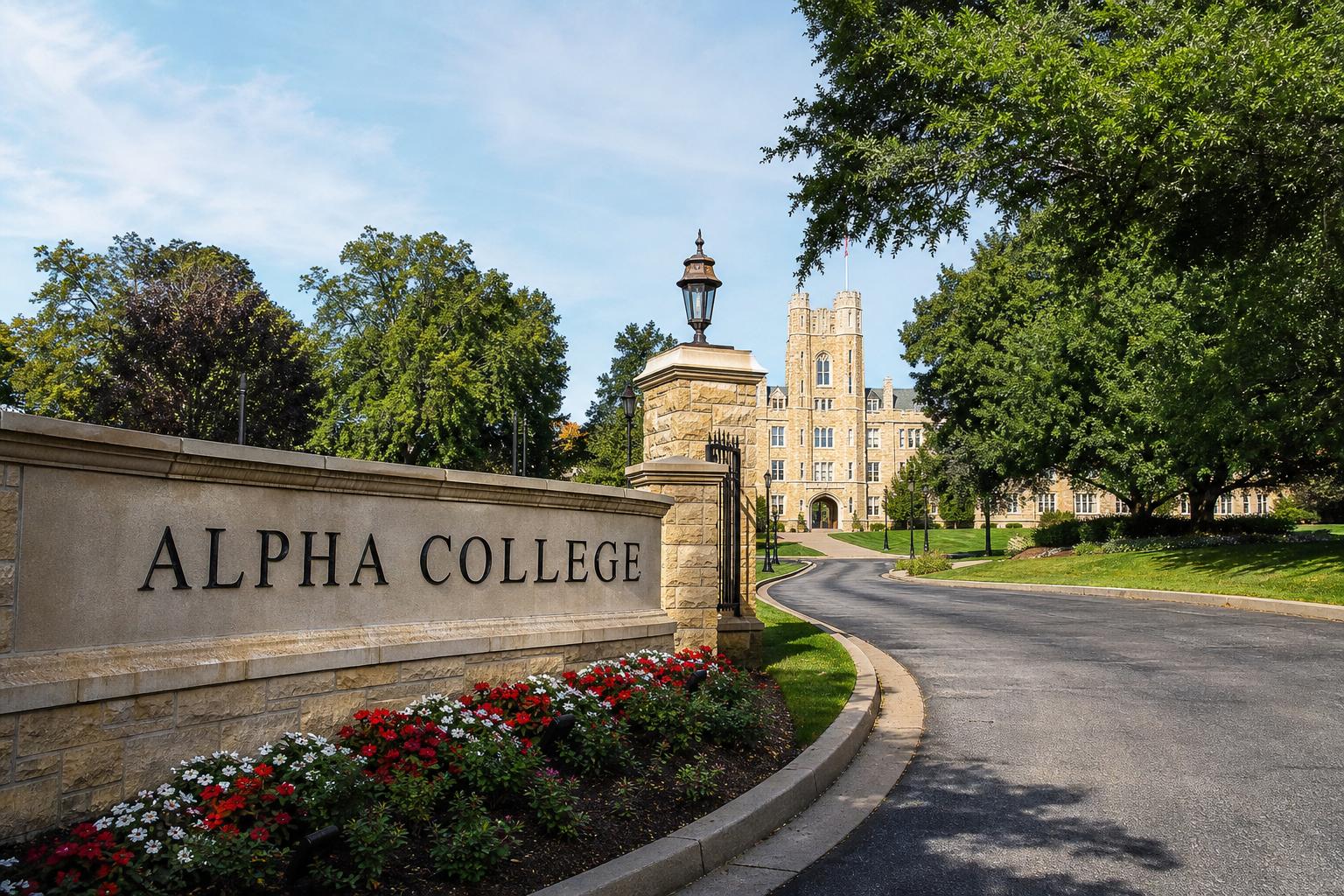
If you’ve been researching where to study in Ontario and keep seeing the name “Alpha College,” you’re not alone. The school has become synonymous with a certain kind of Canadian college experience: career-focused programs, big-city life, and, for many international applicants, complicated immigration questions. This guide unpacks all of it—what Alpha College is, how it fits into Ontario’s education system, what the costs and outcomes look like, and how to protect yourself as a student. Whether you’re in Scarborough, Surrey, or Surat, you’ll find practical, real-world advice here.
By the end, you’ll understand how Alpha College (often called Alpha College of Business and Technology) compares with public colleges, what to watch out for with private institutions, and how to make smart choices about study permits, work options, and life in the Greater Toronto Area (GTA). We’ll cover admissions, tuition, housing, co‑op, PGWP changes, and the nitty-gritty that doesn’t always make it into glossy brochures.
What Is Alpha College? A Clear, Contextual Overview
Alpha College is commonly used to refer to Alpha College of Business and Technology, a private career college in Ontario. For several years, Alpha also hosted a public college partnership model—known as a public college–private partnership (often shortened to “PCPP”)—where a public college delivered programs at Alpha’s Toronto location. If you’ve heard terms like “St. Lawrence College at Alpha,” that’s the partnership people are talking about. Private delivery of public college programs in the GTA attracted many international students looking for big-city opportunities with public-college credentials.
Here’s why the distinction matters: in Canada, “college” can mean very different things. Public colleges (like Seneca Polytechnic or Centennial College) are government-funded and subject to a broader set of accountability measures. Private career colleges, like Alpha College, operate under Ontario’s Private Career Colleges Act, 2005 and must be registered and have each vocational program approved by the province before they enroll students.
In 2024, Canada and Ontario introduced significant changes affecting international students—especially those attending programs offered through public–private partnerships. As of September 1, 2024, students enrolling in new programs delivered via public–private partnerships generally became ineligible for a Post‑Graduation Work Permit (PGWP). Provinces also added new oversight and controls, and the federal government introduced an attestation letter requirement for most new study permit applications. The landscape shifted quickly. What does this mean for you? If you’re considering Alpha College or any private or partnership campus, you must verify the current status of the program and how it affects your study permit, work eligibility, and long‑term plans.
Two official resources are essential before you apply: the IRCC Designated Learning Institutions (DLI) list and the PGWP eligibility page. These pages spell out whether the school is approved to host international students and whether your program is likely to qualify for a work permit after graduation. Always cross‑reference the exact campus location and delivery model you intend to attend.
- IRCC DLI list: canada.ca … Designated Learning Institutions list
- PGWP overview: canada.ca … Post‑Graduation Work Permit Program
Public vs. Private in Ontario: Why This Distinction Shapes Your Options
Before deciding on Alpha College specifically, get comfortable with how Ontario’s system works. It’s not just a label; it determines your funding options, work eligibility, and what your credential means to employers.
Public Colleges
Ontario’s public colleges (for example, George Brown, Humber, Seneca Polytechnic, Centennial, Sheridan, Durham, and St. Lawrence) are provincially funded. They issue diplomas, advanced diplomas, certificates, and graduate certificates recognized across Canada. International graduates from eligible public college programs can often apply for a PGWP, depending on program length and other factors set by IRCC. Public colleges publish detailed student outcomes, maintain large industry networks, and typically have residence options or formal housing assistance partners.
Private Career Colleges (PCCs)
Private career colleges are authorized to deliver specific vocational programs if they’re registered and approved under the Private Career Colleges Act, 2005. They can be nimble and career-focused. However, international graduates from private career colleges usually aren’t eligible for a PGWP, unless they were in a specific type of program and delivery model that met federal criteria before policy changes. As of September 1, 2024, students in new public–private partnership program intakes are generally not eligible for PGWP.
In Ontario, PCCs must follow province‑mandated rules for enrollment contracts, dispute resolution, and refunds, and they pay into the Training Completion Assurance Fund (TCAF), which helps protect students if a school unexpectedly closes. That protection is meaningful, but it’s not a replacement for doing your own due diligence on outcomes and quality before you sign anything.
Where Does Alpha College Fit?
Alpha College is a private career college. Historically, it also hosted programs delivered by a public partner in Toronto. Given the policy shifts around public–private partnerships, you must confirm the exact model of any program you’re considering at Alpha College—private program, public program at a private site, or otherwise—and how that model links to PGWP eligibility and your long‑term goals. This is not just paperwork; it directly affects whether you can stay and work in Canada after graduation.
Program Areas You’ll Commonly See at Alpha College
Private career colleges in Ontario, including Alpha College, tend to cluster around practical, job‑ready fields. Offerings can change, so always consult the official website and the Ontario program approval registry. Typical areas you might encounter include:
Business and Administration
Think business administration, supply chain fundamentals, human resources foundations, and project coordination. These programs aim to prepare you for entry‑level roles such as administrative assistant, logistics coordinator, or junior HR assistant. Look for curriculum that covers Canadian workplace communication, Excel and data handling, and local employment law basics—Ontario’s Employment Standards Act matters in real jobs.
Information Technology
IT support, network administration, cybersecurity fundamentals, QA testing, and web development often appear on private college menus. If you’re targeting tech roles in the GTA, prioritize programs with strong hands‑on labs, industry‑standard tools, and recognized certifications (for example, CompTIA, Cisco, Azure, AWS). Ask about hardware and software access, and whether the college sponsors certification exam vouchers or prepares you realistically for them.
Hospitality and Service
Front office operations, food and beverage service management, hotel operations, or tourism foundations are common. The GTA’s hospitality sector is large and diverse, from downtown hotels to conference venues and airport services. If co‑op is offered, insist on clarity: Is the placement secured by the school, is it paid, and will it align with your learning outcomes rather than just handing out uniforms?
Community and Office Support
Office admin, medical office administration, and customer service programs can open doors to clinics, small businesses, and call centres. For any role touching healthcare data, check whether the program addresses Ontario’s Personal Health Information Protection Act (PHIPA) and practical tools like OHIP billing software or electronic medical records systems in use locally.
Bottom line: avoid being dazzled by marketing. Read course outlines. Ask how many hours are dedicated to labs, how assignments mirror real job tasks, and how students are assessed. The strongest programs publish clear learning outcomes and real employer connections.
Admissions at Alpha College: Domestic and International Applicants
Admissions at private career colleges are generally more flexible than at large public institutions, but there are still standards to meet. Alpha College’s exact requirements can vary by program. Here’s the pattern to expect and how to prepare a strong application.
Domestic Applicants (Canadian citizens and permanent residents)
Most programs require an Ontario Secondary School Diploma (OSSD) or equivalent. Many private colleges also admit mature students (typically 18+ or 19+ in Ontario) who can pass a college‑level admissions assessment in English and, where relevant, math. If you studied in another province or country, you may need to submit transcript evaluations so the college can verify equivalency.
Tip: Mature student testing isn’t just a hoop. If your English writing skills or arithmetic are rusty, take a short upgrade course before you enroll. It makes the first semester smoother and prevents unpleasant surprises in foundational classes.
International Applicants
International applicants generally submit secondary or postsecondary transcripts, proof of English proficiency, a passport copy, and possibly a resume. Typical English requirements at the diploma/certificate level are in the range of IELTS Academic 6.0 overall (with no band below 5.5 to 6.0) or equivalent tests such as TOEFL or PTE Academic. For study permits via the Student Direct Stream (SDS), IRCC requires specific IELTS (Academic or General Training, depending on updates) benchmarks and funds; check the current SDS list and criteria if that route applies to your country.
Expect an application fee, a conditional offer if documents are pending, and then a deposit request. Deposits for private colleges can be significant. Read the enrollment contract carefully and make sure it matches Ontario’s rules for private career colleges, including refund provisions and timelines. Don’t rely on informal WhatsApp messages; get official PDFs and keep them in one folder. If a recruiter is helping you, keep every email and receipt.
Attestation Letters and Study Permit Caps
In 2024, the federal government introduced a national cap on most new study permits and required provincial attestation letters (PALs) for many applicants. This policy reshaped timelines and intake planning. If you’re applying now, budget extra time to secure the attestation letter via your institution’s process and the province’s allocation system. Make sure your letter of acceptance includes the correct DLI number and campus address.
Work and Co‑op During Studies
If your program includes a mandatory co‑op or internship, you’ll typically need a separate co‑op work permit in addition to your study permit. The college must provide a letter stating the work component is essential to the program. Apply for the co‑op work permit as early as possible so you’re not stuck waiting when it’s time to start placement.
Tuition, Fees, and the True Cost of Studying in Toronto
Let’s talk money. In the GTA, the sticker price is only the beginning. You’ll need a realistic budget that includes housing, transit, food, and a cushion for the unexpected—because something will pop up.
Tuition at Alpha College and Similar Institutions
Tuition varies by program length and lab intensity. As a ballpark:
- Private career college programs (international): often in the range of CAD $15,000 to $22,000 per academic year or per 8–12 month program, depending on content and hours.
- Private career college programs (domestic): typically lower than international pricing; ranges can be broad (for instance, $8,000 to $16,000 for certain one‑year certificates). Check program‑specific pricing.
- Additional fees: registration, materials, technology, lab access, and textbooks. Certification exams (e.g., CompTIA, Cisco) are often extra.
Numbers change and promotions exist. Verify what’s included and what’s not. “Tuition” sometimes excludes textbooks, software licenses, and co‑op placement fees. If a course requires Microsoft 365, Adobe Creative Cloud, or a particular cloud platform, ask if student licenses are provided.
Living Costs in the GTA (Especially Near Scarborough/North York)
Housing is the big-ticket item. In 2024, average rents in Toronto remained high compared to most Canadian cities. Expect:
- Shared room in a house or condo: roughly CAD $700–$1,200 per month depending on distance to campus and condition.
- Private room in a shared unit: around $900–$1,600 per month, often more for newer buildings or private washrooms.
- Studio/one-bedroom: $1,900–$2,700+ per month in many parts of Toronto. Some areas of Scarborough and North York can be slightly lower; downtown is typically higher.
Other monthly costs to plan for:
- Transit (TTC/GO/York region options as needed): a monthly pass can easily run over $150; fares differ by system and student discounts vary, so confirm on official transit sites.
- Food: $350–$600 per month if you cook; eating out regularly will push this higher.
- Cell phone: $35–$75 per month depending on data; newcomers often start on prepaid and switch once they have credit history.
- Utilities and internet (if not included): $40–$120 per month for your share in a shared unit.
- Health insurance: mandatory for international students; if the school uses a group plan, check the premium and coverage details. Domestic students may rely on OHIP or employer/school plans.
Sample Annual Budget (International Student, One-Year Program)
| Item | Estimated Range (CAD) |
|---|---|
| Tuition and fees | $16,000–$22,000 |
| Books, software, supplies | $600–$1,500 |
| Housing | $9,600–$19,200 (shared vs. solo) |
| Transit | $1,600–$2,000 |
| Food | $4,200–$7,200 |
| Phone + internet share | $800–$1,400 |
| Health insurance | $600–$1,200 |
| Miscellaneous / emergency | $1,000–$2,000 |
Yes, it adds up quickly. The key is to arrive with a realistic cushion and a plan to control the variables you can—housing and food, mainly.
Co‑op, Internships, and Working While You Study
Many students choose Alpha College for programs that promise hands‑on experience. Co‑op can be the difference between a resume that gets calls and one that doesn’t. But the rules matter.
Co‑op Requirements
- Co‑op work permit: If the program has a mandatory work component, you typically need a co‑op work permit tied to your study permit. Apply early with the college’s support letter.
- Paid vs. unpaid: In Ontario, unpaid internships are tightly regulated. In general, if you’re doing real work for a for‑profit company, you should be paid unless the placement fits strict educational exemptions. Your co‑op should not replace a paid employee. If you’re told to work unpaid in a way that looks like a regular job, ask questions.
- Quality of placements: Ask how placements are sourced, the percentage of paid placements, sample host employers, and whether the school guarantees a placement or simply offers coaching. Read the fine print.
Off‑Campus Work Rules
IRCC sets the rules for off‑campus work. Historically, full‑time students at eligible DLIs could work up to 20 hours per week during regular academic sessions and full‑time during scheduled breaks. In 2024, the government announced a change to 24 hours per week during academic sessions starting in fall 2024. However, details depend on timing and your study permit conditions. Always check the latest IRCC guidance and don’t rely on rumours. Working more hours than allowed can jeopardize your immigration status and future applications.
Remember, co‑op hours don’t count toward your off‑campus limit when you have a valid co‑op work permit and the work is part of your program. Keep documentation tidy in case you ever need to prove compliance.
PGWP, Spousal Permits, and Rule Changes: What Alpha College Applicants Need to Know
Post‑Graduation Work Permit eligibility is the hinge for many students’ long‑term plans. Here’s the distilled, practical view:
PGWP Basics
- Length of PGWP depends on the length of your program and whether it’s eligible. For example, a program of at least two years at a qualifying public institution may lead to a three‑year PGWP.
- Private career colleges are generally not PGWP‑eligible. Exceptions in past years often related to specific delivery models and historical policies, but rules tightened in 2024, particularly for public–private partnerships.
- As of September 1, 2024, new students in public–private partnership programs are generally ineligible for a PGWP. If you’re assessing Alpha College because of a past partnership, verify the current policy and your specific intake’s status on the IRCC website.
Spousal Open Work Permits (SOWP)
IRCC adjusted spousal work permit rules in 2024 to focus eligibility on spouses of students in certain graduate studies and professional programs. If your spouse hopes to work in Canada while you study, do not assume automatic eligibility—check current IRCC criteria for spouses or common‑law partners of international students. If ineligible for an open work permit, your spouse may need to qualify for a different permit category or come as a visitor.
Provincial Pathways and Permanent Residence
Ontario offers immigration pathways through the Ontario Immigrant Nominee Program (OINP), including an International Student Stream for graduates with job offers. PGWP holders often use work experience to become eligible for federal programs like Canadian Experience Class (through Express Entry). None of this happens by magic; it requires meeting education, language, and work experience thresholds. If your program is not PGWP‑eligible, plan your next steps carefully before you enroll.
Action step: Read the official PGWP page and, if needed, speak with a Regulated Canadian Immigration Consultant (RCIC) or immigration lawyer for personalized advice. Free settlement agencies in Toronto can also provide general guidance and referrals.
Student Support, Teaching Quality, and Campus Life at a Private College
Private colleges don’t all look the same. Some offer tight-knit, high‑touch support. Others feel transactional. How do you gauge the difference without physically being there?
- Instructor bios: Ask for faculty resumes. Are instructors active in their industry? Do they hold relevant certifications or recent experience in Ontario?
- Academic advising: Who helps you pick courses, plan co‑op, and handle extensions or deferrals? Are advisors overwhelmed, or can you book time when you need it?
- Career services: Look for resume workshops tailored to Canadian norms, interview coaching, networking events, and employer talks. Ask for real employer partners and current placement rates (paid vs. unpaid).
- Student life: Expect a more commuter‑style experience compared with large public colleges. Clubs and events exist, but you’ll likely build community through class projects and part‑time work.
- Mental health and wellness: Does the college provide counseling or partner with community resources? Newcomers face stress—housing, jobs, homesickness. Support matters.
Trust your instincts. If communication feels unclear during admissions—slow replies, vague answers, evasive about fees—that tone often continues after you enroll.
Housing and Daily Life in the GTA
Toronto is big, busy, and diverse. If your program is in Scarborough or North York, your daily life may revolve around suburban plazas, big Asian and South Asian grocery stores, and buses feeding major subway lines. Plan your commute with Google Maps before you sign a lease; a “25‑minute ride” at midnight can turn into 60 minutes during rush hour.
Neighbourhood Tips
- Scarborough: More spacious rentals and many student house shares. Bus connections to Line 2 (Bloor–Danforth) or GO Transit for regional trips.
- North York: Mix of high‑rises and older walk‑ups; strong transit on Line 1 (Yonge–University). Rents vary block by block.
- Markham/East York: Some students live just over city borders for slightly lower rents and take TTC/YRT combos. Confirm fare integration and transfer rules.
Transit Essentials
Get a PRESTO card for seamless transfers across most GTA systems. Monthly pass options fluctuate and student discounts may require proof of enrollment. For late classes, check last train/bus times; an Uber from midtown to Scarborough every week adds up fast.
How to Avoid Housing Headaches
- See the unit in person or over live video before paying anything.
- Get a written lease; Ontario uses a standard form. Read it.
- Avoid giving large cash deposits. In Ontario, landlords cannot collect a “security deposit” beyond a rent deposit capped at one rental period (usually first month’s rent). Key deposits must be reasonable.
- Ask who pays utilities. Old houses can be drafty; winter gas bills surprise newcomers.
Money‑Saving Moves and Scholarships
Private colleges don’t typically have the deep scholarship pools public institutions do, but there are still ways to trim costs.
- Scholarships and bursaries: Ask Alpha College about entrance bursaries, merit awards, and in‑course scholarships. Some are small but stackable.
- External awards: Community organizations and settlement agencies sometimes offer newcomer awards. It takes digging.
- Textbooks: Buy used, share with classmates, or confirm if e‑texts are available through the library or included in fees.
- Student discounts: Cell plans, museums, software, and transit often have student pricing. Keep your student ID handy.
- Meal prep: Cooking saves hundreds monthly. Scarborough is excellent for affordable produce and spices; explore beyond the nearest big box store.
For domestic students, OSAP (Ontario Student Assistance Program) funding is limited for private career colleges and depends on program approval. Confirm with the school’s financial aid office and the OSAP portal before you count on it.
How to Vet Any Private College (Including Alpha): A Due‑Diligence Checklist
Good marketing isn’t the same as good education. Use this checklist before you pay a deposit.
- Verify registration and program approval: Confirm the college is registered and the specific program is approved under Ontario’s Private Career Colleges Act, 2005. Start at the province’s portal: ontario.ca … Private career colleges.
- Check the DLI number: If you’re an international student, the campus must be on IRCC’s DLI list for study permit issuance.
- Confirm PGWP eligibility: Don’t assume. Use IRCC’s PGWP page. Ask the school for a written statement clarifying whether your program qualifies and why. Keep screenshots and emails.
- Read the enrollment contract: Ontario mandates standardized contracts and refunds. Make sure the version you sign includes all program details, fees, and refund rules that align with provincial regulations.
- Ask for outcomes: Request graduation rates, job placement rates, and sample employers for your program in the last two years. If the answer is vague, that’s a data point.
- Audit the curriculum: Look for course lists, weekly contact hours, assessment methods, and lab time. If IT is your field, ask which tools and certifications are built in.
- Probe co‑op quality: Paid vs. unpaid percentages, host sectors, number of staff dedicated to placements, and whether there’s a clear remediation plan if you don’t secure a placement quickly.
- Understand complaints process: Ontario requires private colleges to have an internal complaints policy. Ask how it works and who adjudicates disputes.
- Insurance and safety: Confirm student accident insurance and mental health supports. New city, new stresses—support matters more than you think.
- Get references: Ask to speak with current students or alumni from your program, not just from the college at large. Then ask them what they’d change.
Alternatives to Consider: Public Colleges with Similar Programs
If you like the program areas you’ve seen at Alpha College but want PGWP‑eligible pathways, explore public colleges in and around the GTA. Many offer similar business, IT, and hospitality programs:
- Seneca Polytechnic (North York/King campuses): IT, business, creative tech, aviation, and more.
- Centennial College (Scarborough): Strong in transportation, health, business, and hospitality.
- George Brown College (Downtown Toronto): Hospitality, culinary, business, and design.
- Humber College (Etobicoke/North): Media, IT, business, health, and trades.
- Sheridan College (Oakville/Brampton): Animation, business, tech, and applied research.
- Durham College (Oshawa/Whitby): Business, IT, health, skilled trades.
- St. Lawrence College (Kingston, Brockville, Cornwall): Business, health, and technology programs in smaller cities with lower living costs.
Public colleges often have larger employer networks, on‑campus resources, and residence options. The trade‑off is higher competition for seats and, sometimes, larger class sizes. Run the math—including rent—before you decide. Cheaper tuition in one place can be canceled out by higher living costs in another.
Realistic Career Outcomes in Ontario
Credentials open doors, but experience and networking push you through. Here’s what entry‑level outcomes often look like for fields you’ll see at Alpha College and similar institutions. Your mileage will vary, and the job market shifts, but these ranges are grounded in typical GTA realities.
Business and Office Roles
- Administrative Assistant / Office Coordinator: $38,000–$50,000 annually, sometimes starting lower with growth in year two.
- Supply Chain/Logistics Coordinator: $42,000–$55,000 to start; exposure to ERP systems (SAP/Oracle/Microsoft) helps.
- Junior HR or Payroll Assistant: $42,000–$55,000; payroll certification can bump offers.
What moves the needle? Strong Excel, clear writing, and Canadian workplace references. Co‑op in a real office and a polished LinkedIn profile make a noticeable difference.
Information Technology
- IT Support/Help Desk: $45,000–$60,000 to start in the GTA; evening/weekend shifts are common at the entry level.
- QA/Software Testing (junior): $45,000–$60,000; hands‑on with testing suites and basic scripting helps your case.
- Network/Cloud Support (junior): $50,000–$65,000; certifications like CompTIA A+, Network+, Azure or AWS Cloud Practitioner help.
Toronto’s tech hiring ebbs and flows. Build a portfolio—GitHub repos, lab projects, capstones—and chase informational interviews. Many first jobs come through meetups and alumni referrals rather than job boards.
Hospitality and Service
- Front Desk Agent/Guest Services: $16–$21 per hour plus benefits in some hotels; tips vary by role.
- Food and Beverage Supervisor (entry): $18–$24 per hour; hours can be irregular but growth can be fast for reliable performers.
Hospitality rewards soft skills and reliability. Weekend availability and strong customer interaction can accelerate promotions. If you’re studying hospitality, look for paid co‑op in reputable hotels to build references.
A final word on regulated professions: If your target job requires Ontario licensure (for example, many healthcare roles), a private college certificate alone won’t be enough. Always verify licensing pathways before you enroll.
Common Pitfalls—and How to Avoid Them
Plenty of students thrive at private colleges, including Alpha College. Here’s where others stumble and how you can sidestep the traps.
- Assuming PGWP eligibility: This is the number one misunderstanding. Check the latest IRCC rules for your exact program, intake, and campus model.
- Over‑relying on off‑campus work: Part‑time jobs can help, but your primary purpose is study. Violating work limits risks your future in Canada, and earnings rarely cover full living costs in Toronto.
- Ambiguous co‑op promises: “We have great industry connections” means little without placement data. Ask for numbers and names.
- Housing scams: If a “landlord” won’t show the unit or pushes for large deposits via wire transfers, walk away. Meet in public. Use standard Ontario leases.
- Ignoring refunds and withdrawal timelines: Ontario sets rules for private career college refunds, but you must act within timelines. Keep copies of your enrollment contract and emails. If you withdraw, follow the process in writing.
- Underestimating time management: Juggling classes, a co‑op search, and part‑time work is harder than it looks. Block studying hours in your calendar as seriously as you block work shifts.
Application Timeline and Document Game Plan
If Alpha College or a similar institution is your target, organize your application like a mini project. Here’s a blueprint that works for most students.
Six to Nine Months Before Your Intended Start
- Research programs and PGWP implications; shortlist two to three options (including at least one public college as a comparator).
- Gather transcripts and request official copies; if needed, arrange credential evaluations.
- Book English test dates (IELTS/PTE/TOEFL) if required and build a study plan.
Four to Six Months Before
- Submit applications; pay application fees; track deadlines.
- On receipt of a conditional offer, prepare deposits and confirm refund terms in writing.
- Request your provincial attestation letter if your application requires one and your institution has provided the steps.
- Start housing scouting to understand market prices; don’t pay yet.
Two to Four Months Before
- Apply for your study permit (and co‑op permit if applicable) with complete documents. Carefully read IRCC document checklists.
- Finalize budget, open a Canadian bank account if you can remotely, and set up a plan for first‑month housing.
- Ask the college for course outlines and a pre‑arrival orientation schedule.
Final Month
- Secure housing with a legitimate lease. Confirm move‑in dates that align with orientation.
- Buy a PRESTO card, prepare winter clothing if arriving in cold months, and map your route to campus at rush hour.
- Print or download copies of your acceptance letter, fee receipts, and insurance documents for border inspection.
Is Alpha College the Right Choice for You?
Alpha College appeals to students who want practical programs in the GTA and an environment that can be more direct and skills‑oriented than some public campuses. If you’re a self‑starter who thrives in smaller classes and values location above all, it could fit.
However, if your long‑term plan depends on a Post‑Graduation Work Permit, you must thread the needle carefully. Given the policy changes around public–private partnerships in 2024, verify the exact program model and intake you’re considering. Compare it with at least one PGWP‑eligible public college program—even if it’s outside Toronto—and do the math on total cost of living. Sometimes Kingston or Oshawa turns out to be the smarter financial and immigration move, even if your heart is set on Scarborough.
Whichever way you go, don’t rush. Read every line of the contract. Ask blunt questions about placements and outcomes. Keep records. And arrive with a plan—not just for the classroom, but for daily life in one of Canada’s busiest cities.
FAQ: Alpha College and Studying in Ontario
Is Alpha College public or private?
Alpha College of Business and Technology is a private career college in Ontario. In past years, a public college delivered programs at Alpha’s Toronto location through a public–private partnership model. Always confirm the current delivery model of your specific program and how it affects PGWP eligibility.
Can I get a PGWP after graduating from Alpha College?
Generally, graduates of private career colleges are not eligible for a PGWP. As of September 1, 2024, students entering new programs delivered via public–private partnerships are also generally ineligible. Verify your exact program and intake against the IRCC PGWP rules before you pay a deposit.
Is Alpha College on the DLI list?
Designated Learning Institution status can vary by campus and program delivery. Check the IRCC DLI list and confirm the specific campus address on your letter of acceptance matches the listing.
How much does Alpha College cost for international students?
Many private career college programs in the GTA run between CAD $15,000 and $22,000 for an 8–12 month program, plus fees, textbooks, and insurance. Confirm the exact figure for your program and what’s included.
What English scores do I need?
Requirements vary by program, but many diploma/certificate programs expect around IELTS Academic 6.0 overall (with minimum bands around 5.5–6.0) or equivalent tests like TOEFL or PTE. If you’re applying through the Student Direct Stream (SDS), check IRCC’s specific test and score requirements.
Can I work part‑time while studying at Alpha College?
If your study permit allows off‑campus work and your school is a DLI, you may be able to work part‑time during academic sessions and full‑time during scheduled breaks under IRCC rules. In 2024, IRCC announced a shift to a 24‑hour weekly cap during academic sessions starting in fall 2024, but check your study permit conditions and the current policy updates.
Does Alpha College offer co‑op?
Many programs at private colleges include co‑op or practicum components. Ask Alpha College for details about your program’s work component, whether placements are paid, and how they’re sourced. If co‑op is mandatory, you’ll need a co‑op work permit.
Is OSAP available for Alpha College programs?
OSAP funding for domestic students depends on whether the program is approved for OSAP. Private career college programs may or may not be OSAP‑eligible. Check with the school’s financial aid office and the OSAP portal before assuming eligibility.
What’s the housing situation near Alpha College?
Many students live in shared houses or condos in Scarborough, North York, or adjacent suburbs, commuting by TTC buses and subway. Expect $700–$1,600 per month for a room depending on quality and proximity. Always use a standard Ontario lease and avoid paying large deposits to strangers.
Can I bring my spouse or children while I study?
Possibly, but there are conditions. Spousal open work permit eligibility changed in 2024 and now focuses on spouses of students in certain types of advanced programs. Review IRCC rules carefully and consider how your study model (private vs. public, partnership vs. not) affects your family’s options.
What’s the difference between Alpha College and St. Lawrence College?
St. Lawrence College is a public college with main campuses in Kingston, Brockville, and Cornwall. Alpha College is a private career college in Toronto. In previous years, St. Lawrence delivered programs through a partnership at Alpha’s Toronto location. Given evolving policies, verify the current status of any partnership and what it means for study permits and PGWP eligibility.
Are refunds protected if I change my mind?
Ontario regulates refunds for private career colleges under the Private Career Colleges Act, 2005 and related regulations. Your enrollment contract must include refund terms and timelines. Read them carefully and keep copies of all receipts and communications. If you need to withdraw, follow the policy in writing by the stated deadlines.
What intakes does Alpha College have?
Private colleges often operate on rolling or multiple intakes (for example, January, May, September). Confirm exact start dates and seat availability—popular programs can fill quickly, especially after changes to federal caps.
Are online or hybrid classes available?
Delivery modes vary by program and policy. If you’re on a study permit, ensure your program meets IRCC’s requirements for in‑person learning if you intend to seek a work permit later. Ask for a breakdown of in‑class, online, and lab hours before you register.
Where can I find official rules and verify details?
- IRCC DLI list: Official DLI list
- IRCC PGWP: PGWP program details
- Ontario Private Career Colleges: College registration and student rights
Do that verification before you send a deposit. It’s the fastest way to avoid expensive surprises.