
Weather Coquitlam: A Local’s Guide to Seasons, Storms, and Sunny Breaks in BC’s Tri-Cities
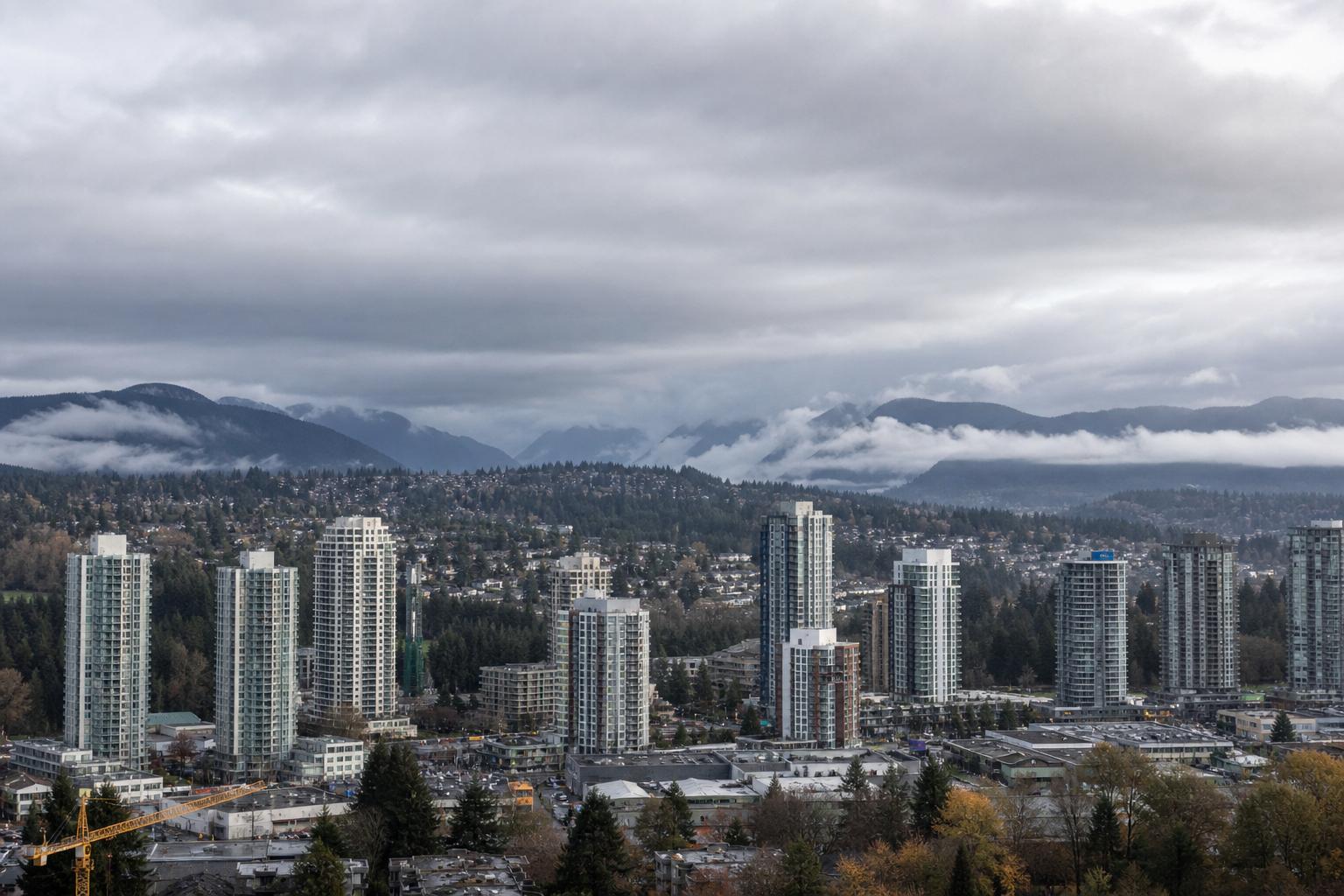
Thinking about moving to Coquitlam, planning a visit, or just trying to make sense of the sky outside your window? This is your deep dive into the weather Coquitlam lives with—rain-soaked winters, mild springs, short but glorious summers, and dramatic fall storms. We’ll unpack how the local mountains shape the climate, what to expect month by month, and how to plan your life—commutes, gardening, hikes, even weddings—around the city’s microclimates. If you want more than a quick forecast and actually want to understand why Coquitlam’s weather does what it does, you’re in the right place.
We’ll stick to clear, practical insights: how elevation changes snowfall, why atmospheric rivers flood storm drains, what summer heat waves look like, and when wildfire smoke tends to arrive. You’ll also get Canada-specific tips: where to check official alerts, what winter tire rules matter, and how local norms play out when the snow hits the hills. By the end, you’ll speak fluent “Coquitlam weather” and know how to prepare for it.
Where Coquitlam Sits—and Why That Matters for the Weather
Coquitlam sits on the northeast shoulder of Metro Vancouver, tucked against the Coast Mountains and cut through by the Coquitlam and Fraser Rivers. That geography is not just a pretty backdrop; it’s the main character in the local forecast. Marine air pushes in from the Strait of Georgia, piles into the mountain wall, and dumps moisture—especially as clouds ride up slopes like Burke Mountain and Eagle Mountain. The same setup can mean drizzle in Town Centre and heavy, wet snow up on Westwood Plateau.
On the map, Coquitlam looks close to Vancouver’s downtown, but climatologically speaking, it leans inland. That means colder nights compared with seaside neighbourhoods in winter, bigger rain totals than communities closer to the water, and more snow in elevated areas. Add in the Fraser Valley’s influence—the river corridor that channels fog and occasionally frigid outflow winds from the Interior—and you get a city with microclimates packed into a relatively small area.
Three quick truths locals learn early:
- Elevation is destiny. A difference of 200–300 metres can turn rain to snow and add weeks of icy mornings.
- “Pineapple Express” isn’t a myth. Atmospheric rivers from the subtropical Pacific can soak the region for days and rapidly raise river levels.
- Sunbreaks are real. Even in winter, a clear ridge can flip the script and bring cool, bluebird days—especially after a frontal passage.
The Climate in a Nutshell: What “Wet Coast” Means in Coquitlam
Coquitlam sits in a marine west coast climate. If you like labels, think of it as a cool-summer oceanic climate (on the edge of Köppen Cfb/Cfc) with strong orographic effects. In plain terms: winters are mild and damp; summers are comfortable and generally dry; shoulder seasons can bring everything—rain, wind, fog, and the odd thunderclap.
Here’s how that plays out over a typical year:
- Winter (December–February): Cool, very wet, and darker than you expect if you’re new to the coast. Most days are in the low single digits (°C) near sea level. Snow is sporadic in the lowlands, more frequent and heavier above 200 metres.
- Spring (March–May): A slow thaw. Expect more light, strong bursts of rain, and the first real stretches of sun by May. Cherry blossoms pop in April. Frost risk fades in the lowlands by late winter but lingers longer at higher elevations.
- Summer (June–August): The sweet spot. Long days, comfortable highs often in the low-to-mid 20s°C, and relatively low humidity by Canadian standards. Heat waves can push 30°C and beyond, and wildfire smoke sometimes drifts in by late July or August.
- Fall (September–November): A gentle slide into storm season. September stays pleasant. By late October and November, powerful Pacific systems return with wind, heavy rain, and rising river levels.
Annual precipitation is high by Canadian urban standards. Low-lying neighbourhoods typically see well over a metre of rain a year, while slopes like Burke Mountain collect much more. Snowfall is wildly elevation-dependent: a few slushy storms at street level can translate to a full-on winter on the hills. That split is part of why “Coquitlam weather” is a thing locals talk about with opinionated precision.
Seasonal Weather in Coquitlam: What to Expect and How to Prepare
Winter (December to February): Wet, Mild—Until It Isn’t
Winter in Coquitlam brings a steady parade of systems off the Pacific. Many days feature light rain or showers, with gray skies and breaks of sun. When Arctic air leaks through the Interior and spills down the Fraser, temperatures can dip well below freezing, even at low elevations. Those cold snaps are usually brief but memorable. Slush turns to ice. Hills get dicey. And morning commutes slow to a crawl.
Snow in the lowlands shows up a handful of times in a typical winter, often falling as heavy, wet flakes that stick to trees and power lines. Up on Westwood Plateau and Burke Mountain, it’s a different story: more events, higher accumulations, and longer-lasting snow cover. It’s common for Town Centre to have bare sidewalks while driveways a few kilometres uphill need shovelling—again.
Tips that save grief:
- Footwear first. Waterproof boots with proper tread will make winter feel 50% easier.
- Drive like the road is lying to you. Black ice lurks on shaded streets, bridges, and those steep Coquitlam hills. If you head toward the Interior or the North Shore mountains, follow BC’s winter tire rules on signed routes (M+S or 3PMSF with sufficient tread during the regulated season).
- Prepare for power blips. Tree limbs plus wet snow equal downed lines. Keep flashlights, phone power banks, and a kettle that works on the stove.
Spring (March to May): Green Comes in Waves
Spring is a gradual warm-up with bursts of growth after each sunny stretch. March can feel like an extension of winter—especially at elevation. April brings blossoms and the first days that genuinely feel warm in the sun. By May, the garden wants everything planted at once, but evenings can still be cool.
Rain doesn’t ease off immediately. In fact, spring can stack up vigorous showers and gusty fronts. The good news: more daylight and a rising sun angle turn “rainy day” into “quick shower, then a hike.” Rivers run high during the freshet (snowmelt) season; the Coquitlam River and tributaries swell, and trails near creeks can be muddy or periodically closed.
Practical notes:
- Plant cool-season crops by late March to April at low elevations; wait a bit longer uphill where frost lingers.
- Watch the BC River Forecast Centre and municipal updates during big melt/rain combos—riverbanks change quickly in spring.
- Allergy season is real. Alder, birch, and grasses keep tissues busy; check the Air Quality Health Index (AQHI) for your daily plan.
Summer (June to August): Blue Skies, Warm Afternoons, Long Evenings
Summer in Coquitlam is the payoff for the wet season: long bright days, warm afternoons, and a natural air conditioner courtesy of marine breezes. June sometimes arrives with “Juneuary” vibes—cloudy and cooler than you hoped—but the switch often flips by late June. July is reliably pleasant, with comfortable overnight lows and afternoon highs that make patios and parks hum. August can turn hotter and drier, with wildfire smoke occasionally softening the mountains into a sepia silhouette.
Heat waves have become more prominent. Most summers include a few hot spells in the high 20s to low 30s°C, and every few years brings something more intense. Coastal humidity is lower than you’ll find in the Great Lakes region, but indoor spaces without cooling can still heat up. City facilities may announce cooling centres during the hottest stretches; local libraries and community centres are a popular refuge.
Know this in advance:
- Plan strenuous hikes and the Coquitlam Crunch for mornings on hot days, and carry more water than you think you’ll need.
- Wildfire smoke advisories come through regional air quality alerts—adjust outdoor exercise when AQHI creeps up.
- Lawns go golden by mid-summer; this is normal here. Consider drought-tolerant landscaping and water restrictions that typically kick in across Metro Vancouver.
Fall (September to November): The Return of Drama
September is many locals’ favourite month: warm afternoons, cool nights, and low-crowd trails with berry bushes going crimson. October transitions quickly. Storms strengthen, leaves clog drains, and evening barbecues become weekend soups. By November, atmospheric rivers and windstorms can dominate headlines, testing drainage systems and raising rivers across the Lower Mainland.
In Coquitlam, November is often the single wettest month of the year. It’s the season of full-body rain gear, not umbrellas alone. Expect heavy downpours, vigorous gusts, and the first chances of slushy snow up high. Good news: mushrooms. If you forage (legally, and away from protected watersheds), the forests light up with variety amid the mist.
Smart moves:
- Clear gutters and storm drains on your property before the first big system hits; urban flooding is often about leaves, not rainfall totals.
- Keep a small towel in the car. Between rain and fog, windshields need attention.
- When an atmospheric river is forecast, watch for advisories from Environment and Climate Change Canada (ECCC) and local authorities, especially near rivers and low-lying trails.
Microclimates Across Coquitlam: Elevation Is Everything
Say “Coquitlam weather” to a longtime resident, and they’ll ask, “Which part?” A five-kilometre drive can take you through distinctly different conditions. Here’s how the main areas stack up:
Town Centre and Austin Heights (Lower Elevations)
Close to the Fraser River and generally below 100–150 metres, these neighbourhoods get the classic Metro Vancouver lowland mix: lots of rain, relatively few snow days, and slightly warmer winter nights compared with the hills. Fog is more frequent near the river corridor on quiet, cool mornings. If you want the best odds of rain instead of snow in winter, you’ll find it here.
In summer, heat can pool a bit in low-lying pockets on calm days, but being nearer the marine influence still tames extremes. Gardens see earlier spring bloom and later first frost than higher slopes.
Westwood Plateau and Burke Mountain (Mid-to-High Elevations)
From roughly 200 metres up to 400 metres and beyond, Westwood Plateau and Burke Mountain are a weather tier up. Rain totals climb. Snow that would be slush downtown settles as accumulations. Roads hold frost longer in shaded stretches. If your driveway has slope, traction matters several times each winter.
In summer, these areas can feel pleasantly cooler in the evenings, and smoke can be slightly thinner if deeper marine air makes it up the slopes. In spring and fall, shoulder-season storms feel stronger. If you’re moving here from the lowlands, plan for more winter tires, shovels, and salt—full stop.
Riverside and Burke Mountain Foothills
Near the Coquitlam River and the lower reaches of Burke Mountain, you get a hybrid: slightly cooler winter nights than Town Centre but with less snow than the plateau proper. River proximity means more morning fog potential, and trails near creeks can swing quickly from passable to impassable after big rain.
These areas shine in shoulder seasons: early spring blossoms meet dramatic fall colours, and you’re within quick reach of cooler forest escapes on summer afternoons.
Rain, Rivers, and Atmospheric Rivers: Coquitlam’s Water Story
Let’s talk rain. The coast’s reputation is earned, especially in Coquitlam where orographic lift wrings extra moisture out of passing systems. The wettest stretch runs from late October through January. But not all rain is the same. Light, persistent drizzle behaves differently from the tropical punch of an atmospheric river attached to a subtropical moisture feed (often nicknamed a “Pineapple Express”). The latter can deliver several centimetres of rain in a day or two, saturating soils and swelling creeks fast.
Why it matters locally:
- Storm drains. Leaf litter and needles clog them quickly. A little neighbourhood effort before a storm reduces street flooding dramatically.
- Trail safety. Streams can rise fast and undercut banks. Obey closures; every season brings at least a few rescues that didn’t have to happen.
- Rivers. The Coquitlam River, fed from the mountains, reacts strongly to rain-on-snow events and warm storms. Watch advisories from the BC River Forecast Centre and municipal updates during major events.
And then there’s the freshet—spring snowmelt. Even with no rain, rising temperatures upstream send more water downstream. Add an atmospheric river on top, and levels jump. Locals keep a mental calendar: late fall storms, mid-winter pulses, and a springtime swell. That rhythm defines how Coquitlam manages drainage and why public works crews earn hero status in November.
Does It Snow in Coquitlam? Yes—But It’s a Tale of Two Cities
Short answer: yes, it snows in Coquitlam. Long answer: where do you live, and how high is your driveway? In Town Centre and other low-lying neighbourhoods, snow usually falls a few times each winter, often switching to sleet or rain within hours or days. Accumulations at street level can be modest, but that same system can deliver significant snow to Westwood Plateau and Burke Mountain, where it sticks for longer and returns more often.
There’s also the outflow effect. When Arctic air pours through mountain gaps into the Lower Mainland, surface temperatures drop quickly. A passing system can then dump low-density snow, followed by icy conditions as temperatures hover around freezing. Hills and cul-de-sacs become mini skating rinks. City crews sand and salt priority routes first; residential streets follow. Property owners are typically responsible for clearing adjacent sidewalks under municipal bylaws within a set timeframe after snowfall—check the City of Coquitlam’s guidance before winter lands.
Practical snow playbook:
- If you live above roughly 200 metres, consider dedicated winter tires with the mountain-snowflake (3PMSF) symbol. They outperform basic M+S designs on cold, slushy hills.
- Keep a snow brush and a small shovel in the car. Slush berms are real.
- Make friends with your downspouts. Melting snow followed by heavy rain can overwhelm drainage if gutters are clogged.
Heat, Smoke, and Summer Strategies
Summers are, for the most part, comfortable in Coquitlam. But the last decade has included notable heat events, including the infamous “heat dome” pattern that pinned hot air over BC. While those are outliers, they changed how residents think about home cooling and preparedness. Many homes now use heat pumps for efficient year-round climate control—handy for both winter heating and summer cooling, and eligible for rebates that vary by time and program.
Wildfire smoke is a newer seasonal wildcard. Coquitlam isn’t typically downwind of major local fires, but regional smoke from elsewhere in BC or the Pacific Northwest can reach Metro Vancouver, especially in late summer. The result: reduced visibility, an orange sun, and reduced outdoor air quality. Health authorities and Metro Vancouver issue Air Quality Advisories when particulate levels rise; the AQHI makes it easy to check daily risk categories.
Beat the heat (and smoke) without overthinking it:
- Cross-ventilate on cool evenings and close blinds by midday on hot days. Simple steps matter.
- Use portable HEPA filters during smoke events, and consider a DIY box-fan filter if supplies run low. Keep windows shut while smoke lingers.
- Know where public cooling centres open in heat waves—libraries and community centres are common choices. Transit access via SkyTrain’s Evergreen Extension helps.
Wind, Fog, Thunder—And Other Local Quirks
Coquitlam gets its fair share of winter windstorms, but the fiercest coastal blasts often focus on more exposed seaside communities. That said, when a deep low tracks just right, gusty winds can topple branches onto power lines, especially after heavy, wet snow loads trees. Urban forestry and regular pruning help, but outages can still occur. Keep non-perishable snacks and a charged power bank around during storm season.
Fog frequently curls along the Fraser River and settles into lower Coquitlam on calm, cool mornings, especially in fall and winter. It lifts by late morning on most days, but commuters know to budget extra time and use low-beam headlights. Thunderstorms? Rare compared to central Canada. You’ll get a handful of thunder days a year, often in spring or summer with a passing instability line. Hail does show up from time to time in strong showers, usually pea-sized and brief.
And then there are outflow winds—cold, dry air spilling from the Interior toward the coast in Arctic outbreaks. Coquitlam, being on the river corridor, occasionally gets a taste. Windchills bite on those days, and any moisture freezes hard. If you see “Arctic outflow warning” from ECCC, think layers, not light jackets.
Forecasting and Real-Time Tools Canadians Actually Use
When the sky looks suspicious, locals don’t guess—they check. For weather Coquitlam residents trust, start with official sources and supplement with user-friendly apps:
- Environment and Climate Change Canada (ECCC): Official warnings, advisories, and daily forecasts. The WeatherCAN app delivers localized alerts straight to your phone.
- BC River Forecast Centre: High streamflow advisories and flood watches—key during atmospheric rivers and spring freshet.
- Metro Vancouver Air Quality & AQHI: Air quality advisories for smoke or pollution events.
- DriveBC and municipal updates: Road conditions, incidents, and closures. Essential in any snow or wind event.
- TransLink Alerts: Transit disruptions across the SkyTrain Evergreen Extension and bus routes through Coquitlam.
Layer your info: an official forecast for the big picture, a radar or satellite view for timing, and local neighbourhood groups or municipal notices for on-the-ground conditions. And remember the elevation factor—if you live up the hill, expect colder and snowier than the generic “Coquitlam” forecast sometimes suggests.
Home and Garden Playbook for Coquitlam’s Climate
This climate rewards those who think about water first. Roofs, gutters, and drainage are the holy trinity. Here’s how to stay ahead of the curve at home:
Keep the Rain Outside Where It Belongs
Heavy autumn rains can exploit any weakness. Clean gutters and downspouts before November. Check that downspouts discharge away from foundations. Inspect flashing, caulking, and siding for gaps; wind-driven rain finds every seam. Many BC homes are built with rainscreen systems to let walls breathe and drain—essential in a rainy climate like Coquitlam’s.
Basements benefit from a working perimeter drain (drain tile) and a functioning sump. If your yard puddles readily, consider regrading, French drains, or permeable landscaping. A few hours of maintenance in the shoulder seasons will beat a wet carpet every time.
Moss, Mould, and Air
Shaded, north-facing roofs grow moss quickly in this climate. Keep it in check with gentle cleaning and appropriate treatments—avoid pressure washing, which can damage shingles. Indoors, control humidity with bathroom fans, kitchen range hoods, and appropriate ventilation. A heat-recovery ventilator (HRV) or energy-recovery ventilator (ERV) can help maintain indoor air quality without sacrificing efficiency.
Landscaping and Gardening
Coquitlam’s long growing season (especially in the lowlands) has gardeners smiling. Cool-season crops like lettuce, peas, and brassicas can go in early spring; warm-season stars like tomatoes and peppers wait until consistent warmth arrives—often late May into June, especially at higher elevations. Consider raised beds to improve drainage in heavy spring rains.
Plant for the climate: native shrubs, drought-tolerant perennials, and trees that don’t mind wet feet in winter and dry spells in summer. Mulch helps moderate soil moisture. Summer water restrictions are a Metro Vancouver norm—plan drip irrigation or water early in the morning to reduce evaporation.
Commuting, Road Rules, and Safety in Bad Weather
If you haven’t driven in the Lower Mainland during a surprise snow day, count your blessings. Coquitlam’s hills, curves, and microclimates make for memorable commutes. A few rules of thumb keep stress down:
- Winter tires: In BC, certain highways require winter tires (M+S or 3PMSF) during the regulated season and where signed. City streets aren’t typically covered by that rule, but if you drive to the North Shore mountains, the Sea-to-Sky, or the Interior, you’ll almost certainly encounter those signs. Check tread depth and tire date; compound matters more than you think when it’s near freezing.
- Leave space. Wet coastal pavement means longer stopping distances, and slush turns braking into a strategy.
- Transit backup: On snow days, SkyTrain often runs more reliably than buses on steep routes. Keep a Compass Card handy and monitor TransLink alerts.
- Bike savvy: Fenders and bright lights are non-negotiable in winter rains. In summer, early rides beat both heat and traffic.
And don’t underestimate fog. Use low beams, clear the windshield completely (inside and out), and skip cruise control in slick conditions. It’s basic Canadian winter wisdom that pays off in Coquitlam too.
Planning Events and Outdoor Time Around the Weather
Timing is everything whether you’re booking a wedding venue or hosting a backyard barbecue. The “best” weather in Coquitlam for outdoor events usually falls between late June and mid-September, with September frequently the goldilocks month—warm days, cool evenings, and low rain risk. May can be lovely, but it’s a coin toss. October has enchantment (and fantastic foliage) but demands a tent and heater backup.
For hikers and mountain bikers, spring is about patience: trails dry out at lower elevations by mid-to-late spring, while upper-elevation routes stay muddy or snow-covered longer. Summer opens the full menu. In fall, pick your windows between storms and carry proper rain gear—it’s how locals keep going year-round.
Climate Change: What’s Shifting in Coquitlam’s Weather
Climate trends across the South Coast point to warmer average temperatures, longer summer dry spells, more intense rainfall events, and a higher likelihood of extreme heat. In practical Coquitlam terms, that can mean earlier springs at low elevations, heavier downpours that challenge storm drains, smokeier late summers some years, and a continued focus on cooling strategies at home.
Municipalities across Metro Vancouver are upgrading green infrastructure—think rain gardens, permeable sidewalks, and enhanced stormwater systems. Homeowners can contribute on their lots by directing runoff responsibly, adding trees for shade, and using energy-efficient heat pumps that both cool in summer and heat in winter. Preparedness scales from neighbourhood to region; Coquitlam is no exception.
Quick Reference: Typical Averages and Extremes (Ranges, Not Promises)
Climatology varies by location and elevation. The ranges below reflect typical conditions for Coquitlam’s low-to-mid elevations and are meant as a planning guide. For precise, up-to-date data, refer to Environment and Climate Change Canada’s official climate normals and station records.
| Element | Typical Range in Coquitlam | Notes |
|---|---|---|
| January daytime highs | 5–7°C (lowlands), cooler at elevation | Cold snaps can drop temps below freezing for several days |
| July daytime highs | 22–26°C | Heat waves can push above 30°C |
| Overnight lows (winter) | -2 to 3°C (lowlands) | Colder during Arctic outflow events |
| Overnight lows (summer) | 12–16°C | Comfortable sleeping with ventilation |
| Annual precipitation | ~1200–2000+ mm | Higher on slopes (Burke/Plateau) due to orographic lift |
| Snowfall (annual) | Lowlands: sporadic, modest totals; Higher: frequent, heavier | Elevation strongly controls outcomes |
| Wettest months | November–January | Atmospheric rivers are most likely late fall |
| Driest months | July–August | Drought restrictions often in place |
| Thunderstorm days | Few per year | Short-lived, usually spring/summer |
Real-Life Scenarios: How Weather Shapes Daily Life in Coquitlam
Your Morning Commute in January
It rained all night at Town Centre, but the Plateau sits at -1°C. Shaded curves are frosty. You check DriveBC and see a minor collision on Pinetree. Transit is running, but buses are slow. The solution: add ten minutes, take it easy on descents, and avoid sudden braking. By lunchtime, a warm front lifts temperatures and it all melts—until tonight’s clear skies refreeze the runoff in the same shaded spots.
A July Weekend Plan
Forecast says 25°C and sunny. You hike Pinecone Burke early, wrapping up before the heat peaks. Afternoon is for shade under Douglas Park’s trees or a lake swim out of town. If an air quality bulletin mentions moderate smoke, you switch the hike for a lower-effort forest walk and push aerobic workouts indoors. Easy adjustment, perfect day.
Late October Homeowner Checklist
Leaves are everywhere. You clean gutters, rake drains, and stack sandbags only where a known low spot collects water (no need to reinvent the river). You check flashlights and stock up on tea and soup. The first atmospheric river barrel-rolls through, and you’re inside, dry, watching the radar and grateful for past-you’s effort.
What to Wear, Month by Month (Practical, Not Fashion Police)
Coquitlam clothing is all about layers and waterproofing. Think function that doesn’t mind looking good later.
- January–February: Insulated waterproof jacket, waterproof boots, warm hat, gloves. Mid-layers for cold snaps.
- March–April: Shell + fleece, water-resistant shoes or boots, quick-dry fabrics. Umbrella for lighter days, hood for wind.
- May–June: Light jacket for mornings, breathable layers, packable rain shell.
- July–August: T-shirts and shorts with a light long-sleeve for evenings. Sun protection for hikes. A/C not guaranteed—plan for shade.
- September–October: Light sweater + rain shell; waterproof shoes for leaf-slick sidewalks.
- November–December: Full rain kit. Insulation handy. Traction aids for icy mornings up high.
Outdoor Recreation: Making the Most of the Forecast
Coquitlam’s trail network laces through forests that shine in the rain—cedar, fir, and maple don’t mind showers. Here’s how to plan around the weather without overcomplicating it:
- After heavy rain: pick well-built, gravelled trails to avoid damaging muddy paths. Expect creeks to run high; bridges can be slippery.
- Winter on the hills: traction devices for boots and a conservative plan. Even close-to-town routes can get icy.
- Summer heat: mornings for elevation gains, evenings for valley loops. Always carry more water than you think you need.
If your plans drift into backcountry terrain, treat them with respect: Avalanche Canada bulletins apply in nearby mountain zones, and conditions change quickly above the treeline. Closer to home, heed closures around watersheds—Coquitlam’s drinking water supply areas are protected and off-limits to the public.
Health and Comfort: Air, UV, and Allergies
Coquitlam’s air is typically clean, but seasonality matters. Spring pollen triggers allergies for many; summer brings higher UV—especially on bright days with reflective water surfaces on local lakes and rivers. On wildfire smoke days, outdoor exertion deserves a rethink, particularly for children, older adults, and those with respiratory conditions.
Practical moves Canadians swear by:
- Check the AQHI in your weather app before long runs or soccer practices.
- Keep sunglasses and SPF in your bag starting in April; clouds don’t block UV the way people assume.
- Ventilate bathrooms and kitchens to keep indoor humidity in check during long wet spells.
Insurance, Utilities, and the Boring Stuff That Saves You Money
Weather shows up in insurance claims and utility bills. In Coquitlam, seasonal checklists pay back quickly:
- ICBC and first-snow days are a notoriously bad pairing. If you can, avoid driving during the first snowfall until crews catch up.
- BC Hydro offers programs and tips for managing winter bills; heat pumps shine in this climate, delivering efficient heat and summer cooling.
- Document any recurring drainage issues with photos and dates; that record helps when talking to contractors or your insurer.
Long-Range Patterns: El Niño, La Niña, and Year-to-Year Swings
Not every winter is the same. El Niño years tend to bring milder, sometimes drier conditions to the South Coast, with more rain than snow at low elevations. La Niña winters often skew cooler and wetter, meaning more opportunities for lowland snow and longer cold spells. These are tendencies, not guarantees, but they help set expectations. When seasonal outlooks from ECCC mention these patterns, nudge your plans accordingly—more salt for the driveway in a La Niña winter, perhaps, or extra rain prep in a strong El Niño fall.
How Coquitlam Compares: Vancouver, Port Moody, and Beyond
Compared to downtown Vancouver or coastal neighbourhoods like Kitsilano, Coquitlam is wetter and a touch cooler in winter, especially at elevation. Compared to Port Moody, conditions are broadly similar, with micro-differences based on slope and exposure. Farther east into the Fraser Valley (think Maple Ridge or Abbotsford), winters can be slightly colder with more frequent lowland snow. Heading north to North Vancouver brings yet more rain and mountain snow. In short: Coquitlam is a rain-and-green sweet spot, with mountains close enough to change your morning plans.
Working With Weather: Contractors, Event Planners, and Trades
If you’re hiring a roofer, landscaper, or event planner, choose people who understand local weather windows. Roof and exterior work schedules around the fall storms; the best crews build you into shoulder seasons and watch forecasts like hawks. Event planners will insist on covered options until at least late June and again by late September. Trust their instincts—weather literacy is a professional asset here.
Responsible Recreation and Safety Notes
Coquitlam’s forests and rivers are one of the city’s best perks, but fast water and slippery roots demand respect. After heavy rain or during freshet, stay well back from riverbanks and obey closures. Dogs can get swept in seconds; keep leashes handy in high-water periods. In winter, short daylight hours catch people off guard—pack a headlamp, even on afternoon walks. Carry the basics: a small first-aid kit, reflective gear, and a charged phone. Weather doesn’t negotiate.
Where to Find Weather Data You Can Trust
Bookmark a few essentials and you’ll never be caught flat-footed:
- Environment and Climate Change Canada (ECCC): Forecasts, warnings, radar, satellite, and official climate normals.
- WeatherCAN app: Push alerts for severe weather affecting your postal code.
- BC River Forecast Centre: Advisories for high streamflow and flooding.
- Metro Vancouver Air Quality and the AQHI: Smoke and pollution alerts.
- DriveBC: Highway webcams and incident reports; helpful even for local trips on rough days.
- TransLink Alerts: Service changes when snow or wind alters bus and SkyTrain schedules.
For advanced users, wind and precipitation visualization tools can help you time a dog walk or roof repair around a squall line. But don’t forget the simple move: step outside and feel the air. In a microclimate city like Coquitlam, your porch sometimes beats a generalized app.
FAQ: Weather Coquitlam
Does Coquitlam get a lot of rain?
Yes. Coquitlam is one of the wetter parts of Metro Vancouver due to mountains squeezing extra moisture from passing systems. Expect lengthy rainy stretches in fall and winter, with November often the wettest month.
How often does it snow in Coquitlam?
At lower elevations, a few times each winter with varying accumulations. At higher elevations like Westwood Plateau and Burke Mountain, snow is more frequent and lasts longer. Elevation changes everything.
Is summer in Coquitlam humid?
Not in the sticky sense common in central Canada. Summer humidity is moderate, and evening temperatures are comfortable. Heat waves do occur and can feel hot indoors if homes lack cooling.
When is the best time to visit Coquitlam for outdoor activities?
Late June through September. September often offers the best balance: warm, dry days with fewer crowds. May and early June can be pleasant but less reliable.
Are thunderstorms common in Coquitlam?
No. Thunderstorms are relatively rare and usually brief. Most dramatic weather comes from Pacific frontal systems—wind and heavy rain—rather than lightning.
What’s the difference between Coquitlam and Vancouver weather?
Coquitlam is generally wetter and slightly cooler in winter, with more snow potential at elevation. Downtown Vancouver benefits from more direct marine moderation and typically sees less snow.
How bad is wildfire smoke in Coquitlam?
It varies by year. Some summers see minimal smoke; others bring multi-day or multi-week hazy periods, usually later in the season. Check air quality advisories and adjust outdoor plans accordingly.
Do I need winter tires if I live in Coquitlam?
If you routinely drive up to Westwood Plateau or Burke Mountain, winter-rated tires are a smart choice. If you travel on signed BC highways (to the North Shore mountains, Sea-to-Sky, or Interior), winter tires are required in season. Even within the city, they significantly improve traction on cold, slushy days.
What is an atmospheric river, and why should I care?
An atmospheric river is a narrow corridor of moisture in the sky that can deliver prolonged, heavy rain. In Coquitlam, these events often occur in late fall and winter and can lead to flooding, high rivers, and landslides. When ECCC issues a warning, take it seriously—clear drains, adjust travel, and stay informed.
Does Coquitlam get foggy?
Yes, especially near the Fraser River and in lower-lying areas, mainly in fall and winter during calm, cool conditions. It typically lifts by mid-morning.
What’s the growing season like?
Long, particularly at lower elevations. Frost risk at street level often ends by late winter, while higher areas may see frost into early spring. Cool-season crops do well early; warm-season vegetables thrive from late spring into summer.
How do climate change trends affect Coquitlam?
Expect warmer averages, more extreme rain events, growing heat wave risk, and increased likelihood of wildfire smoke in late summer. Communities are adapting with improved stormwater systems, urban trees, and energy-efficient home upgrades.
Is an umbrella enough for winter?
It helps, but a waterproof jacket with a hood is more practical in wind and sideways rain. Footwear matters, too—wet socks ruin the best intentions.
Are power outages common in storms?
They happen, especially with heavy, wet snow or strong wind. Most are short-lived, but it’s smart to keep flashlights, batteries, and phone chargers ready during storm season.
Where can I get official weather alerts for Coquitlam?
Environment and Climate Change Canada issues watches and warnings. Use the WeatherCAN app for push notifications. For air quality, check Metro Vancouver and the AQHI. For rivers, the BC River Forecast Centre provides advisories. DriveBC covers road conditions, and TransLink posts transit updates.
Final Thought
Coquitlam’s climate is not a monolith—it’s a patchwork that shifts with every hundred metres of elevation and each turn of the season. Learn its patterns, and you’ll feel like you’ve unlocked a cheat code: the right jacket, the right tires, the right moment to hit the trail between showers. That’s the real local forecast—the weather Coquitlam residents live by every day.