
Poppy and Peonies: A Canadian Gardener’s Guide to Planting, Care, Design, and Meaning
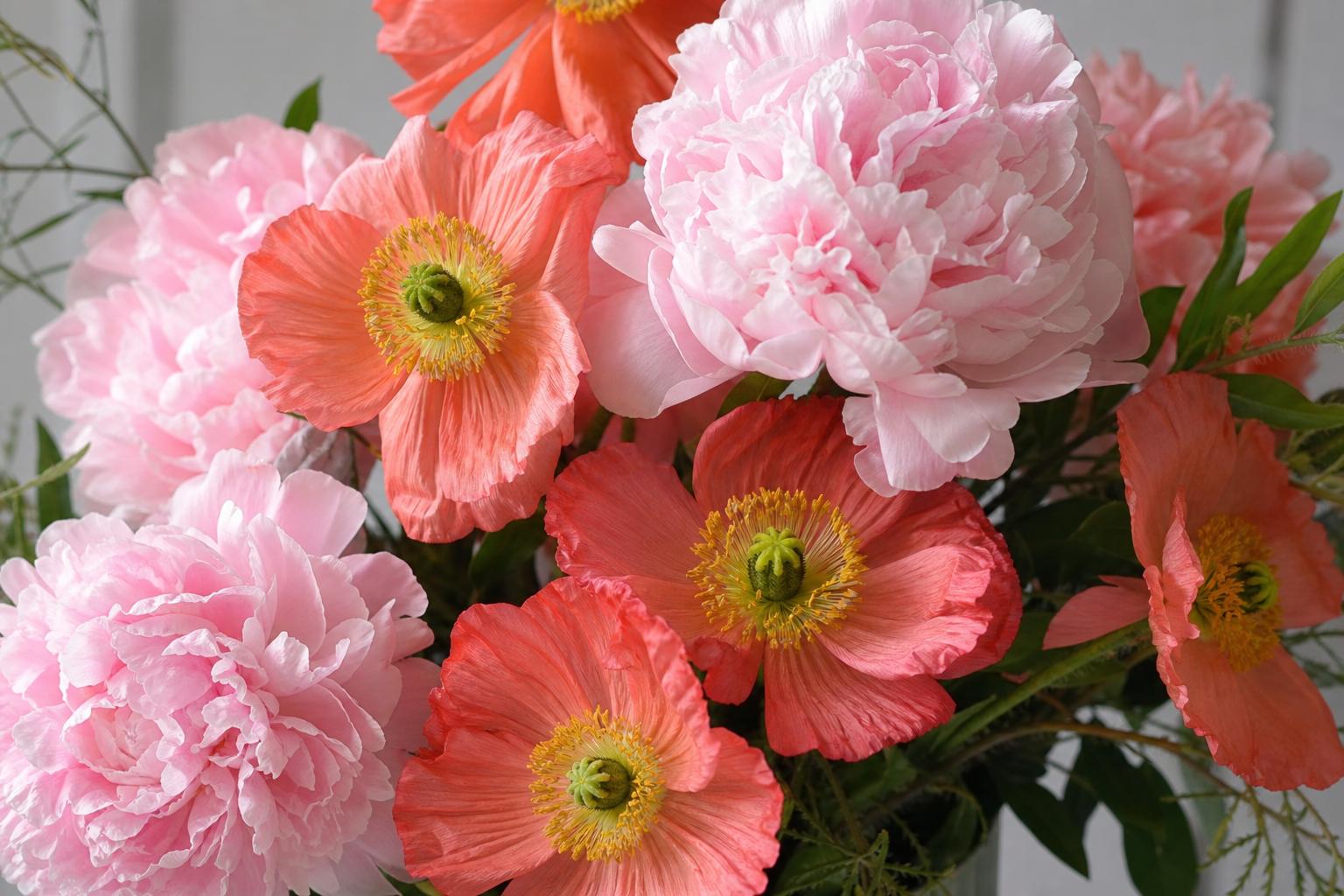
It’s hard to resist the pairing of poppy and peonies. One is all silk and fire, the other lanterns of satin that unfurl at their own patient pace. Together, they carry a rare mix of drama and heart—from the red poppy on Canadian lapels every November to peonies lighting up June weddings from Vancouver to Halifax. If you garden anywhere in Canada—urban balcony in Toronto, prairie yard near Regina, shaded lot in Saint John—this guide will walk you through how to choose, plant, and care for poppy and peonies, how to design with them, what to expect in different provinces, and what to watch for legally and practically. You’ll get the honest details: what thrives, what fails, how much it costs, how to avoid common mistakes, and how to keep these two iconic flowers blooming on cue.
Why Poppy and Peonies Belong in Canadian Gardens
At first glance, poppies and peonies look like unlikely companions. Poppies dance on wiry stems with crinkled petals that look ironed by the wind. Peonies are more grounded—wide mounds of leaves, then a sudden burst of fat buds that swell into huge flowers. But set them side by side and the garden wakes up. Both love sun. Both handle cold. Both deliver that late-spring-to-early-summer crescendo that makes Canadian gardens feel alive after winter’s long hold.
They also balance each other in the border. Peonies form a long-lived anchor—decades, with luck. Poppies add flashes of colour and movement in the shoulder seasons and carry on where peonies taper. Even better, their care rhythms complement each other: plant peonies in fall, sow hardy annual poppies in late fall or very early spring, then watch the timing dovetail into a show from May through July across much of the country.
There’s meaning here too. The poppy is woven into Canadian remembrance and public life. Peonies bring cultural depth—from Chinese and Japanese heritage plantings in Vancouver and Richmond to old farmhouse peonies that resprout each year on the Prairies. Gardeners get beauty, story, and a resilient pairing that doesn’t need coddling once established.
Know Your Poppies in Canada: Types, Climate Fit, and One Crucial Legal Note
Before you scatter a packet of seeds, it’s important to know which poppy is which. “Poppies” cover a group of species with very different rules and habits. In Canada, you can grow many ornamental poppies freely—but not all.
The Legal Note: Opium Poppy (Papaver somniferum) Is Controlled in Canada
In Canada, cultivating Papaver somniferum (commonly called “opium poppy,” sometimes marketed as “breadseed poppy”) requires authorization under federal law. Without a licence from Health Canada, growing Papaver somniferum is prohibited. This includes growing it ornamentally. It’s an area that confuses many gardeners because some international gardening books treat breadseed poppies as routine cottage-flowers. In Canada, they aren’t.
What can you grow? Plenty of other poppies. Ornamental poppies such as Oriental poppy (Papaver orientale), Iceland poppy (Papaver nudicaule), and corn poppy (Papaver rhoeas) are widely grown and sold legally. California poppy (Eschscholzia californica) is also legal, although it’s not a true Papaver. When in doubt, check the species name on seed packets or plant tags, buy from reputable Canadian suppliers, and avoid anything labelled Papaver somniferum.
Ornamental Poppies You Can Grow (And Love)
These species offer the look and feel gardeners want, without crossing legal lines. Each one brings a different season of interest, height, and texture—all useful in Canadian climates.
Oriental Poppy (Papaver orientale)
Hardy, perennial, and dramatic. Oriental poppies bloom in late spring to early summer, then their foliage often goes summer-dormant. Flowers can be gigantic—crinkled cups up to 15–20 cm wide—with saturated colours: red, coral, salmon, white, deep plum. Classic cultivars: ‘Turkenlouis’ (scarlet, shaggy petals), ‘Princess Victoria Louise’ (soft salmon-pink), and ‘Royal Wedding’ (white with black blotches). Hardy to about Zone 3 with reliable snow cover, making them a favourite across the Prairies and in much of Ontario and Quebec.
Corn Poppy or Flanders Poppy (Papaver rhoeas)
This is the red poppy that inspired “In Flanders Fields” by Canadian John McCrae and later became the symbol of remembrance. It’s an annual: sow outdoors in fall or very early spring for waves of fluttering flowers through early summer. Modern mixes (‘Shirley’ poppies) include pinks, whites, and bicolours. They reseed politely if you leave some seedpods standing. Beautiful in cottage gardens from Victoria to St. John’s, and pretty in naturalized meadows.
Note: The remembrance poppy used by the Royal Canadian Legion is a symbolic lapel poppy, not a specific plant you grow; more on that later.
Iceland Poppy (Papaver nudicaule)
A cool-season perennial often grown as an annual in Canada. It thrives in coastal BC’s mild springs and can handle chilly nights almost anywhere. Flowers are translucent, sherbet-coloured discs—soft yellow, apricot, white, coral—on slender stems. Great for early colour in April/May in Vancouver or Victoria; in colder provinces, it peaks later but still brightens the shoulder season.
California Poppy (Eschscholzia californica)
Not technically a Papaver, but it scratches the same itch: silky, satiny cups in gold, orange, pink, or cream. It’s drought-tolerant, self-seeds, and thrives in sandy or rocky soils. Perfect for hot, dry Ottawa curbside strips, Calgary front yards with reflected heat, or xeriscape beds in BC’s Okanagan. Deadhead lightly to keep flowers coming.
Himalayan Blue Poppy (Meconopsis spp.)
Gardeners on Vancouver Island and in cool, damp, acidic pockets of coastal BC sometimes grow Meconopsis for their astonishing, true-blue flowers. They’re fussy—cool summers, even moisture, dappled shade. Not for the Prairies’ heat or most of southern Ontario, but where they’re happy, they’re unforgettable.
Arctic Poppy (Papaver radicatum; native in the North)
Canada does have a native poppy, found in our Arctic regions. It’s a reminder that poppies aren’t strangers to our latitudes. In mainstream gardens, this species is rarely cultivated, but it underscores why poppies do so well in bright, cold-friendly conditions.
Peonies in Canada: Types, Timing, and How to Choose
Peonies are the timeless backbone of many Canadian gardens. Planted right, they can outlive the gardener. They need winter chill, which Canada provides in spades, and they prefer full sun and decent drainage. Choosing the right peony type will shape how your border looks and how much care it needs.
Herbaceous Peonies (Paeonia lactiflora and hybrids)
The classic June peony: lush foliage to about 75–90 cm tall, followed by single to double blooms in whites, pinks, reds, coral, and streaked forms. They die back to the ground each fall and re-sprout in spring. Most are hardy to Zone 3, which is why they’re common across the Prairies and northern Ontario. Beloved cultivars include ‘Sarah Bernhardt’ (soft pink, late, abundant), ‘Festiva Maxima’ (white with red flecks, fragrant), ‘Karl Rosenfield’ (deep red), ‘Bowl of Beauty’ (anemone form), ‘Do Tell’ (Japanese form), and ‘Red Charm’ (a legendary double).
Pros: Rugged in cold, long-lived, tons of cultivars, fantastic cut flowers. Cons: Need support for big doubles, prone to botrytis in wet springs, and hate being planted too deep.
Intersectional or Itoh Peonies
Crosses between herbaceous and tree peonies, Itoh peonies blend the best of both: strong stems that usually don’t flop, enormous semi-double to double blooms, and a long bloom season with staggered flowers. Plants die back in fall like herbaceous types. Hardy to about Zone 3 or 4 depending on cultivar. Standouts include ‘Bartzella’ (buttery yellow), ‘Cora Louise’ (white with purple flares), and ‘Julia Rose’ (color-shifting coral to pink).
Pros: Minimal staking, extended bloom, bold form. Cons: Higher upfront cost in Canada, often $60–$120 for bare root, more for large potted plants.
Tree Peonies (Paeonia suffruticosa and hybrids)
Woody shrubs with glorious, often dinner-plate-sized flowers. They leaf out earlier than herbaceous types and bloom slightly earlier too in many regions. Height ranges 1–1.5 m when mature. They’re hardier than their delicate reputation suggests—many manage Zone 4 with winter protection and do especially well in southern Ontario and coastal BC.
Pros: Spectacular bloom size and colours (including clear yellows and smoky purples), architectural presence. Cons: Slower to establish, pricier (commonly $100–$200+), and flower buds can be nipped by late frosts in colder areas.
Canadian Climate Snapshot: Where Poppy and Peonies Thrive
Canada offers almost every gardening climate, and both poppy and peonies manage the range better than most ornamentals. The details below help you match species and cultivars to your region’s quirks.
Atlantic Canada (Newfoundland and Labrador, Nova Scotia, New Brunswick, Prince Edward Island)
Cooler springs and maritime humidity help peonies develop sturdy buds, but wet weather can encourage botrytis. Choose open, well-ventilated sites with full sun and excellent drainage. Oriental poppies excel, and Iceland poppies carry colour through cool spring spells. In Halifax and St. John’s, give peonies a spot with good morning sun to dry dew quickly, and avoid crowding with shrubs.
Tip: Mulch lightly with compost in spring but don’t bury peony crowns. If heavy winter heave is common in your yard, use a thin protective mulch that you pull back early in spring.
Quebec and Ontario
From downtown Montreal balconies to Ottawa’s long winters and Toronto’s heat pockets, you can grow a full suite of peonies and ornamental poppies. Herbaceous peonies are nearly foolproof in most neighbourhoods. Intersectionals thrive where summer heat is moderate and winters are cold. Corn poppies and California poppies easily fill in gaps along sidewalks and boulevard strips.
Tip: In southern Ontario’s clay soils, raised beds or well-amended beds are worth the effort. Peonies planted too deep in clay will sulk and fail to bloom.
Prairies (Manitoba, Saskatchewan, Alberta)
Winters are fierce, but snow cover can be a friend. Peonies are stars here—many old farmsteads still have clumps from the 1950s. Choose hardy cultivars and plant shallowly. Oriental poppies love the bright cold and well-drained soils. Many gardeners in Calgary and Edmonton rely on California poppy for summer colour in dry spells; Iceland poppies handle late frosts like champions.
Tip: Wind is real. Use peony support rings early in spring, before stems elongate. In Chinook zones, watch for early sprouting followed by hard freezes—mulch after the ground freezes to moderate swings.
British Columbia
Two worlds: coastal and interior. On the South Coast (Vancouver, Victoria, Nanaimo), peonies enjoy mild winters but face more fungal pressure in wet springs. Good air flow and tidy fall cleanup are essential. Intersectionals and tree peonies thrive in many Lower Mainland gardens, and Meconopsis is an option for cool, shaded corners. In the Okanagan and Thompson, heat and drought matter—California poppies are naturals, and peonies do best with drip irrigation and afternoon shade.
Tip: In the Lower Mainland, you can plant peonies a bit later in fall (even into November if the soil is workable). In interior valleys, watch irrigation carefully through July heat.
Northern Canada (Yukon, Northwest Territories, Nunavut, northern Quebec and Labrador)
Short season, long daylight. Herbaceous peonies can still deliver in many Zone 2–3 pockets with reliable snow cover and well-drained soil. Select early-blooming cultivars and give full, open sun. Iceland poppy and corn poppy fit the cool growing window; California poppy can work in sandy, warm micro-sites. In areas with permafrost-adjacent conditions, raised beds are your ally.
Tip: Plant peonies so their eyes sit quite close to the surface (about 2–3 cm) to ensure enough winter chill triggers flowering.
Soil and Site: What Poppy and Peonies Actually Want
Both poppy and peonies are honest plants: give them sun and drainage, and they repay you. Get either wrong, and you’ll see it fast—floppy stems, fungal blotches, or no flowers.
Peonies prefer deep, fertile, slightly acidic to neutral soil (pH 6.5–7.0). They despise wet feet. If you garden on heavy clay in Mississauga or Red River gumbo in Winnipeg, spend time building loamy structure with compost and coarse mineral material (pine fines, small gravel) before planting. Orient peony crowns shallowly—too deep is the classic Canadian mistake and the number-one reason for no blooms.
Poppies are less picky but equally drainage-conscious. Oriental poppies appreciate leaner soils than peonies and won’t mind gravel or sand mixed into clay. California poppy thrives on neglect; if you over-fertilize, it produces leaves at the expense of flowers.
Planting Calendar and Techniques, Coast to Coast
Timing is everything. Use the cues below and adapt a week or two based on your microclimate and forecasts.
| Region | Poppy Sowing (Hardy Annuals: corn, Iceland) | Oriental Poppy (Perennial) Planting | Peony Planting (Bare Root) |
|---|---|---|---|
| Atlantic Canada | Late fall (Nov) or very early spring (Mar–Apr) | Spring or fall; avoid waterlogged spots | Sep–Oct (pull mulch back early in spring) |
| Quebec & Ontario | Fall (late Oct–Nov) or very early spring (Mar) | Spring or Sep–Oct | Sep–Oct (earlier in colder zones) |
| Prairies | Fall (Oct) or very early spring (as soon as soil thaws) | Spring once soil is workable; fall in early Sep | Early Sep (allow rooting before freeze) |
| BC Coast | Late fall through winter (mild spells) or Feb–Mar | Fall preferred; spring also fine | Oct–Nov (if soil is workable) |
| Northern Canada | Very early spring (as soon as soil can be raked) | Late spring | Late Aug–early Sep |
How to Sow Poppies
Poppies despise root disturbance. Direct sowing is the gold standard, particularly for corn and Iceland poppies. Do this:
- Prepare a weed-free patch in full sun. Rake to a fine, firm tilth.
- Mix tiny poppy seeds with dry sand for even distribution. Broadcast thinly.
- Press seeds in with a board or the back of a rake; do not bury deeply. Light is your friend here.
- Label rows or patches so you don’t mistake seedlings for weeds.
- Thin gradually to recommended spacing (about 20–30 cm for many types). If they’re crowded, they’ll bolt and flop.
For Oriental poppies, plant container-grown divisions in spring or fall, giving them at least 45–60 cm to spread. Avoid wet, heavy beds.
How to Plant Peonies (Bare Root and Potted)
Peonies repay careful planting with decades of bloom. Here’s the reliable method:
- Dig a wide, deep hole—45–60 cm wide and 45 cm deep. Loosen the base.
- Incorporate compost into backfill, but don’t overdo rich manure. Peonies prefer steady, not explosive, growth.
- Set bare-root herbaceous peonies so the “eyes” (pink buds) sit 2.5–5 cm below the finished soil surface in most of Canada; in very cold Zones 2–3, 2–3 cm is enough.
- For grafted tree peonies, bury the graft union 10–15 cm below the surface to encourage own-root growth over time.
- Water in deeply to settle soil, then leave them alone. Avoid heavy mulch directly over crowns.
Spacing matters: 90 cm apart for herbaceous peonies to allow airflow. Itoh peonies typically need 90–100 cm. Tree peonies want 1.2–1.5 m radius once mature. Crowding invites disease.
Care Through the Seasons: Simple Routines, Big Payoffs
Neither poppy nor peonies are high-maintenance when established, but a few timely habits make the difference between decent and dazzling.
Spring
Peonies: As shoots emerge, place peony rings or discreet supports. Scratch in a balanced, low-nitrogen fertilizer (for example, something in the 5-10-10 range) around, not on, the crown. Water if spring is dry. Remove any winter mulch from directly over the crown.
Poppies: Thin seedlings early. A little ruthlessness now equals sturdier plants later. If slugs are active (common in coastal BC and Atlantic Canada), hand-pick or use barriers. Avoid rich feeding.
Early Summer
Peonies: Deadhead after blooms fade unless you plan to collect seed from species peonies. Keep foliage healthy—it fuels next year’s buds. If a week of rain hits during peak bloom, shake water off heavy flowers and stake quickly to save stems.
Poppies: Keep Oriental poppy foliage tidy after flowering; let it yellow and slip into dormancy naturally. Interplant with daylilies, hardy geraniums, or ornamental grasses to hide gaps. For corn and California poppies, deadhead lightly for more blooms.
Mid to Late Summer
Peonies: Do not overwater. In the Prairies and southern Ontario, a deep soak every 10–14 days during drought is better than frequent sips. In coastal BC, watch for powdery mildew; good spacing and morning sun help.
Poppies: California poppy keeps going in hot sun with minimal fuss. Iceland poppy may fade in heat; sow a fresh patch in late summer for fall colour in milder regions.
Fall
Peonies: Cut herbaceous peonies to the ground after frost blackens foliage. Bag and remove if you had disease; don’t compost botrytis-infected debris. Now is the perfect time to divide established clumps if needed. Water newly planted roots lightly until ground freeze.
Poppies: Sow hardy annual poppies in late fall for next spring’s bloom. Mark the area well. For Oriental poppies, do not overmulch crowns; they benefit from a breathable winter cover where freeze-thaw is intense.
Designing With Poppy and Peonies: Colour, Timing, and Structure
Want a border that makes passersby slow down? Lean on contrasts. Peonies bring mass and romance; poppies bring air and spark. Here are tried-and-true pairings that work from Halifax sidewalks to Vancouver courtyards.
Hide-and-Reveal with Oriental Poppies
Oriental poppies vanish in summer. Plan for it. Plant late-emerging companions—Russian sage (Perovskia), catmint (Nepeta), or ornamental grasses—just behind or among poppy crowns to fill the gap. Peonies handle the same soil and sun, so run a band of peonies in front to steady the eye. In bloom, the layers look lush; after poppies slip away, peonies and companions keep the show going.
Colour Stories That Sing
Classic black-tie: white peonies like ‘Festiva Maxima’ with deep-red corn poppies. Vintage garden: ‘Sarah Bernhardt’ peonies with soft-pink Shirley poppies and airy dill. Modern glow: Itoh ‘Bartzella’ (lemon yellow) with California poppy ‘Thai Silk Apricot’ and a haze of blue catmint. In small city lots, repeat two or three colours across the bed for calm.
Texture and Height
Poppies read as light. Peonies read as solid. Play that up. Let Iceland poppies and corn poppies float above a peony hedge. Add alliums for spring spires that thread through peony leaves, and tuck low sedums or thyme along the edges where soil bakes. If wind is fierce (Calgary, Saskatoon), site poppies slightly leeward of shrubs to save petals.
Cut Flowers: From Garden to Vase
Peonies are the workhorse of Canadian florists because they ship and store beautifully. Poppies, meanwhile, are fleeting but magical if handled right.
Peonies for Arranging
Cut at the “marshmallow” stage—bud soft to the touch with some colour showing. Strip lower leaves, wrap stems, and hydrate in cool water. Here’s the pro trick: you can dry-store peonies in the fridge. Wrap stems in dry newspaper or florist wrap, no water, then place in a clean, cold fridge (not near apples or ethylene producers). They’ll hold for a week or more. Recut stems and hydrate overnight before use. This makes June weddings in Toronto or Victoria less stressful, especially during heat waves.
Poppies for Arranging
Cut when the bud just cracks and shows colour. Immediately sear the cut stem end for 10–20 seconds in just-boiled water or with a quick flame pass. This seals milky sap and extends vase life. Poppies still won’t last like peonies, but they’re worth it—ethereal, luminous, and perfect for short-lived moments. Local flower farms in BC’s Lower Mainland and southern Ontario often include Iceland and corn poppies in spring CSA bouquets.
Wildlife, Ecology, and the Canadian Yard
Poppies supply pollen—bees notice. Single corn poppies and Iceland poppies are easy landing pads for native bees. California poppies hum on hot afternoons in the Prairies. Peonies offer early pollen too, although their dense doubles are less accessible than single forms.
Birds will pick at dry poppy seedheads. If you don’t need tidy borders, leave a few pods for winter interest and a snack bar for finches. For peonies, leave foliage intact until frost to feed next year’s buds; senescing leaves also house beneficial insects as they ride out the season.
Common Problems and Clean Fixes
No garden is perfect. These are the issues Canadian gardeners run into most often with poppy and peonies—and how to solve them without fuss or guesswork.
Peony Buds Don’t Open
Top causes: planted too deep, too much shade, or late frost damage. In Ottawa and Winnipeg, deep planting is the usual culprit. Dig and reset in early fall, lifting the crown until eyes sit 2.5–5 cm below the surface. Ensure at least six hours of direct sun. If late frost is persistent, toss a light frost cloth over buds on cold nights.
Botrytis Blight on Peonies
Grey fuzz, blackened buds, soggy stems—classic botrytis, especially in wet Atlantic and coastal BC springs. Fixes: prune out infected tissue promptly, trash it (don’t compost), improve spacing, water at soil level, and avoid mulch piled against stems. In provinces with cosmetic pesticide restrictions (such as Ontario, Quebec, and many Atlantic provinces), cultural controls and sanitation are your go-to tools.
Powdery Mildew on Peonies
White film on leaves in late summer is cosmetic. Improve airflow, water in the morning, and select resistant cultivars. It rarely harms next year’s bloom.
Flopping Peony Stems
Heavy doubles like ‘Sarah Bernhardt’ need support. Install rings early. In windy Calgary or Regina yards, choose Itoh peonies or strong-stemmed singles and semi-doubles. Also avoid high-nitrogen feeding, which produces lush but weak growth.
Poppies Fail to Thrive
If poppies are stunted or sparse, they might be crowded or shaded. Thin seedlings early and give full sun. For Oriental poppy, waterlogged winter soils are the enemy; shift to a leaner, raised site. If California poppies are leafy but not blooming, stop fertilizing.
Ants on Peony Buds
They’re after sugary exudate, not “helping buds open.” Ants are harmless in this scenario. If they bother you indoors, rinse cut stems before bringing them in.
Budgeting and Sourcing in Canada
You don’t need a huge budget to build a garden around poppy and peonies, but prices vary by type and size.
- Seed packs (corn, Iceland, California poppy): usually $3–$6 from Canadian suppliers.
- Oriental poppy divisions: $12–$25 for common cultivars; specialty forms more.
- Herbaceous peony bare-root: $20–$60 for common cultivars; rare varieties higher.
- Itoh peony bare-root: $60–$120; large potted specimens can exceed $150.
- Tree peonies: $100–$200+ depending on size and source.
- Peony support rings: $10–$30 each.
Reputable Canadian seed and plant sources include regionally well-known companies and nurseries. Look for vendors that ship at the right time for your province and label species correctly (critical for poppies). Ordering peonies bare-root in fall usually nets better selection and pricing.
Safety, Legal, and Cultural Notes Every Canadian Gardener Should Know
Legal: Do not grow Papaver somniferum (opium poppy) in Canada without authorization from Health Canada. If a seed catalogue uses the term “breadseed poppy,” check the species. When buying seeds online, stick to Canadian vendors who clearly list botanical names and comply with Canadian regulations.
Edibility: Culinary poppy seeds sold in Canadian grocery stores are legal and intended for food. Do not harvest seeds from garden poppies for consumption; species confusion and contamination risks are real. Peonies aren’t edible and can cause stomach upset if ingested.
Pets and Children: Many ornamental plants, including poppies and peonies, are mildly toxic if eaten. Teach children not to sample plants. With pets, ingestion is uncommon but monitor curious chewers. If something gets eaten, consult a veterinarian or poison information resource.
Remembrance: The red poppy symbol in Canada is stewarded by The Royal Canadian Legion. It’s used to honour and remember veterans and is typically worn from the last Friday in October until November 11. The poppy imagery is protected; don’t use it for commercial marketing without permission. The living Flanders poppy (Papaver rhoeas) you grow in your garden is a separate matter and not subject to trademark, but respect the symbol’s cultural weight when displaying red poppy imagery around Remembrance Day.
Three Real-World Planting Plans for Canadian Yards
1) Small Urban Front in Toronto or Montreal (Full Sun, Clay Loam)
Goal: A neat, four-season front that glows in late spring without blocking sightlines.
Plan: Along the foundation, plant three herbaceous peonies (‘Festiva Maxima’, ‘Do Tell’, ‘Karl Rosenfield’) spaced 90 cm apart. Thread in allium bulbs between them for May spires. In the boulevard strip or curbside bed, broadcast a mix of corn poppy and California poppy for summer colour. Add a compact ornamental grass (Panicum ‘Shenandoah’) to bridge July–October. Keep mulch light and away from peony crowns. Install peony rings in March, fertilize lightly once, and deadhead through June.
2) Prairie Side Yard in Regina or Calgary (Windy, Fast-Draining)
Goal: Low-water, high-impact border that survives heat and spring temperature swings.
Plan: Start with Itoh peonies (‘Bartzella’ and ‘Cora Louise’) 1 m apart for sturdy blooms. Add Oriental poppies ‘Turkenlouis’ and ‘Princess Victoria Louise’ in pockets, hidden later by blue oat grass (Helictotrichon) and Russian sage. Edge with California poppy sown directly each spring. Use rock mulch strategically to keep crowns dry in winter but don’t bury peony eyes. Water deeply every 10–14 days in July–August droughts. Stake early if your yard is a wind tunnel.
3) Coastal BC Back Garden in Vancouver or Victoria (Mild, Damp Springs)
Goal: Long shoulder season colour with good disease resistance.
Plan: Layer tree peony ‘Shimadaijin’ at the back with morning sun and afternoon dapple. In front, a drift of intersectional peonies (‘Julia Rose’) for changing tones. Fill gaps with Iceland poppies for spring and California poppies for summer. Ensure air circulation, thin poppies, and water at soil level. In fall, remove peony foliage promptly and avoid overhead watering during prolonged wet spells. Consider Meconopsis only if your garden offers cool, shaded, acidic conditions with steady moisture.
A Side-by-Side Comparison for Quick Decisions
| Plant | Type | Hardiness | Bloom Window (Typical) | Best Use | Notes |
|---|---|---|---|---|---|
| Herbaceous Peony | Perennial | Zones 3–8 | Late May–June (varies by region) | Structure, cut flowers | Don’t plant too deep; needs chill |
| Itoh Peony | Perennial (intersectional) | Zones 3–7/8 | Late May–June, extended | Low-staking, modern borders | Higher cost, strong stems |
| Tree Peony | Woody shrub | Zones 4–8 | Late spring | Feature plant | Protect from late frost; bury graft |
| Oriental Poppy | Perennial | Zones 3–7 | Late spring | Bold early colour | Summer dormancy |
| Corn Poppy (Flanders) | Annual | All zones (as annual) | Early–mid summer | Meadows, remembrance gardens | Direct sow, reseeds |
| Iceland Poppy | Short-lived perennial/annual | Zones 2–6 (cool climates) | Spring–early summer | Cool-season colour | Hates heat; sow early |
| California Poppy | Annual/perennial in mild areas | All zones (as annual) | Summer–fall | Xeriscape, curb strips | Thrives in poor soil |
Maintenance Calendar: What to Do, When
- March–April (earlier on the BC coast): Install peony supports; thin poppy seedlings; light spring feed for peonies.
- May–June: Deadhead peonies as they fade; keep Oriental poppy foliage tidy; stake fast if storms hit.
- July–August: Water deeply but infrequently; deadhead annual poppies; monitor for powdery mildew; consider a second sowing of Iceland poppies in cool regions.
- September–October: Plant or divide peonies; plant Oriental poppy divisions; clean up peony foliage after first hard frost; sow hardy annual poppies in late fall.
Sustainability and Low-Input Strategies
These two groups reward gardeners who think long-term. Peonies store energy in thick roots, so they’re happy on modest nutrition. Poppies find their stride in lean soils and sun. To cut inputs and waste:
- Water deeply and less often; train roots to go down.
- Mulch with compost once a year around, not over, peony crowns.
- Skip synthetic high-nitrogen fertilizers; choose slow-release, balanced organic options.
- Encourage beneficial insects by allowing a few poppy seedheads to ripen and by avoiding broad-spectrum insecticides, which are restricted for cosmetic use in several provinces anyway.
Troubleshooting: Quick Wins That Save the Season
Late frost threatens peony buds? Toss a light row cover or old bedsheet over them overnight. Sudden floppy peony blooms after a thunderstorm in Ottawa or Montreal? Gather stems gently and corral with soft twine and a few discreet stakes—better yet, get supports in before bloom next year. California poppies stopped flowering in August? Shear lightly, water well, and they often rebound with a second flush into September.
What Not to Do
- Don’t plant peonies deep. You’ll wait years for flowers that never come.
- Don’t overwater in heavy soils. Root rot and disease sneak in fast.
- Don’t try to transplant mature peonies in spring unless you must. Fall is kinder.
- Don’t start poppies in tiny cell packs and fiddle with roots. Direct sow or use roomy, biodegradable pots if you must start early.
- Don’t buy or sow Papaver somniferum in Canada unless you have appropriate authorization.
FAQs: Poppy and Peonies in Canada
Can I legally grow breadseed poppy in Canada for ornamental purposes?
No. Papaver somniferum (opium poppy, often called breadseed poppy) is a controlled plant in Canada. Cultivation requires authorization from Health Canada. Stick to legal ornamental poppies like Oriental poppy (Papaver orientale), corn poppy (Papaver rhoeas), Iceland poppy (Papaver nudicaule), and California poppy (Eschscholzia californica).
When is the best time to plant peonies in Canada?
Fall, almost everywhere. Aim for September to early October in cold provinces; October to November on the milder BC coast. You can plant in spring, but fall planting leads to faster establishment and better first-year flowering.
Why won’t my peonies bloom?
In Canada, the most common reasons are planting too deep, too much shade, and insufficient winter chill (rare outside of very mild coastal microclimates). Reset shallowly in fall, give at least six hours of direct sun, and avoid heavy mulching over the crown.
Do ants help peony buds open?
No. They’re just feeding on nectar-like exudates. Buds open on their own. Ants are neither necessary nor harmful for peony bloom.
Can peonies grow in containers in Canada?
They can, but it’s tricky. Containers dry out and freeze-thaw more aggressively. Use large, insulated pots, protect from winter wind, and expect more maintenance. In-ground planting is far easier for long-term success.
Will Oriental poppy leave an ugly gap after blooming?
Only if you let it. Plan companions—daylilies, grasses, hardy geraniums—to fill the space while the poppy goes dormant. The trick is forethought, not more plants.
Are California poppies invasive in Canada?
They self-seed, but in most Canadian gardens they’re easy to manage by pulling unwanted seedlings. They’re not considered a major invasive in typical residential settings; always check your local guidelines if you garden near sensitive ecosystems.
How do I get longer-lasting poppies in a vase?
Cut at the “colour crack” stage and sear stems for 10–20 seconds. Keep arrangements cool and out of direct sun. Even with perfect handling, poppies are fleeting—enjoy their moment.
What fertilizer should I use on peonies?
A balanced, low-nitrogen fertilizer (around 5-10-10) in early spring works well. Many Canadian soils already have adequate nutrients; a yearly top-dress of compost outside the crown zone is often enough.
Is the red poppy on Remembrance Day a specific garden poppy?
The symbol references the wild Flanders poppy (Papaver rhoeas), but the lapel poppy distributed by The Royal Canadian Legion is a symbolic emblem, not a plant. The Legion oversees its design and use in Canada.
Can I store cut peonies for later use?
Yes. Cut at the marshmallow stage, dry-wrap, and store in a clean, cold fridge for up to a week or more. Recut and rehydrate before arranging. This is a common practice for weddings and events across Canada.
Do peonies need winter protection?
In most of Canada, no—snow is usually enough. In exposed Prairie sites, a light, breathable mulch after the ground freezes helps. Avoid heavy, damp mulches that smother crowns.
Where should I buy seeds and plants in Canada?
Choose reputable Canadian vendors who list proper botanical names and ship at province-appropriate times. Local nurseries also carry region-tested cultivars. This reduces legal confusion (especially for poppies) and improves survival.
Final Thoughts
Grow poppy and peonies together and you get a garden with pace, contrast, and a story Canadians instantly recognize. Plant shallow and sunny. Sow early. Support before the storm. Clean up after the show. Follow those few rules, and you’ll have peonies that carry the garden for decades and poppies that dance through the spaces between—beauty that belongs to the place you live.