
Washing Machine Guide for Canadians: Smart Buying, Setup, and Care in 2026
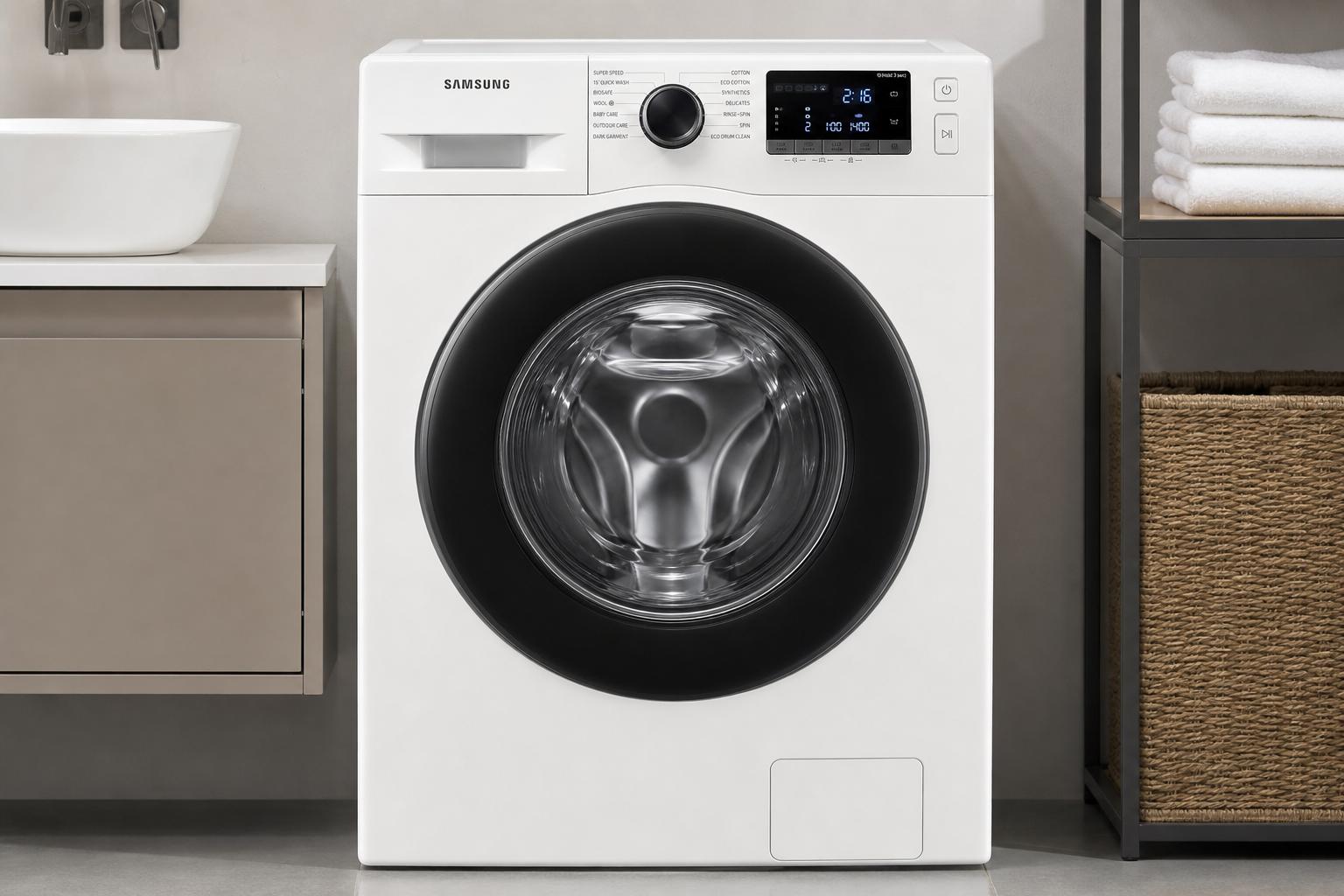
If you’ve ever stood in a laundry aisle wondering which washing machine can actually handle muddy spring boots, hockey gear, and a mountain of towels—without rattling the whole house—you’re not alone. Choosing the right washer in Canada isn’t only about drum size or a shiny panel. It’s about fitting the quirks of your space, the rhythm of your household, and the realities of our water, power, and winters. This in-depth guide covers how washing machines work, what to look for, how to install one safely in a Canadian home or condo, and how to keep it running smoothly for a decade or more. You’ll also find practical tips for lower bills, cleaner clothes, and fewer repair headaches.
Expect clear, no-nonsense advice grounded in Canadian conditions—from Energy Star ratings and provincial rebates to strata rules and winterization. Whether you’re outfitting a family home in Mississauga, a walk-up in Montréal, a condo in Vancouver, or a cabin near Muskoka, you’ll leave with a plan that makes sense—and a laundry routine that doesn’t take over your life.
How a Washing Machine Works (and Why It Matters When You Buy)
At heart, a washing machine moves water, detergent, and fabrics in a controlled dance. Top-load washers use an agitator or impeller to churn clothes through water; front-load washers tumble laundry through shallow pools, lifting and dropping the load repeatedly. Both styles use sensors to check water level and balance. The spin cycle wrings out moisture by spinning fast—1,000 to 1,400 RPM in many front-loaders, 700 to 1,000 RPM in many top-loaders—so dryers work less and your energy bill shrinks.
Knowing these basics helps decode features. “Sanitize” cycles raise water temperature high enough to reduce bacteria, which matters in a climate where we often wash in cooler water to save energy. “Auto-dosing” meters detergent for you, cutting residue and mould risk. “Load-sensing” prevents overfilling with water. Even “steam” is less about clouds of vapour and more about heat and time—useful for stubborn odours but not magical. The mechanics also shape reliability. For instance, a direct-drive motor (common in many front-loaders) reduces belt wear and can lower vibration on suspended wood floors, which matters in older Canadian homes and condo towers alike.
Choosing the Right Washer for a Canadian Home
Capacity and Household Size: Match Real Loads, Not Marketing Claims
Capacity is often advertised in cubic feet. Larger isn’t always better if you can’t fill the drum or don’t have space. Oversized tubs also tempt overloading, which leads to poor rinsing and wear. Instead of chasing size, think in terms of your biggest regular load: towels for a family of five, king duvet, or a few small weekly loads in a downtown apartment.
As a loose guide, compact washers (about 2.2–2.8 cu. ft., 24-inch width) suit small condos or couples who wash often; mid-size (4.0–4.8 cu. ft., typically 27-inch) suits most families; extra-large (5.0–5.8+ cu. ft.) is for bulky bedding or fewer, larger loads. Beware that cubic feet in North America aren’t directly comparable to kilogram ratings in European machines. If you need to wash a king duvet regularly, look for manufacturer guidance that explicitly states “king-size friendly,” not just a large number on the spec sheet.
Front-Load vs Top-Load: Pros and Cons for Canadian Living
Front-load washing machines dominate in water and energy savings, spin faster to extract more water, and stack neatly with dryers—gold for condo dwellers and energy-conscious households. Traditional top-load agitator washers are simple and fast, though they typically use more water. High-efficiency (HE) top-load impeller models split the difference with better efficiency and gentler action than agitators, while keeping a familiar format.
| Feature | Front-Load Washer | Top-Load (Agitator or Impeller) |
|---|---|---|
| Water & energy use | Lowest; many Energy Star models | Higher with agitator; HE impellers are closer but often still higher |
| Spin speed (dryer time) | Faster spins (1,200–1,400 RPM); shorter drying | Typically slower; longer drying |
| Cleaning performance | Excellent soil removal; gentle on fabrics | Good; agitator can be rougher, impellers more gentle |
| Vibration/noise | Can vibrate on bouncy floors; excellent on concrete with leveling | Often steadier on wood floors; shorter cycles |
| Mould/odour risk | Higher if misused; needs routine gasket care | Lower, but still sensitive to over-dosing detergent |
| Ergonomics | Easier on pedestals; door swing planning needed | Easier for those who dislike bending; deep tubs can be hard to reach |
| Stacking/space | Stackable with matching dryer | Generally not stackable; side-by-side only |
There’s no universal winner. In a Vancouver condo with quiet hours, a well-leveled front-load washer with direct-drive and anti-vibration pads is a smart pick. In a rural home with a springy wood subfloor and a big family, a sturdy HE top-load with a deep tub and fast cycles can be great—especially if you line-dry in summer and don’t need ultra-high spin speeds.
Fitting the Space: Doors, Depth, and Condo Realities
Measure twice, buy once. Standard full-size washers are 27 inches wide; some are 29 inches. Depth can swell beyond 33 inches once hoses and venting (for the dryer) are added, which is where closet doors and hallway corners cause grief. Compact 24-inch washers are game-changers for downtown apartments and older homes where stairwells are tight.
Pay attention to door swing. Many front-load washing machine doors are hinged on the left; if your space forces a right-hinged door for a tight laundry closet, your options narrow quickly. If you plan to stack, check that both washer and dryer doors open the way you need and that a proper stacking kit exists for that exact pair. In condos, confirm that the laundry rough-in can handle the unit’s dimensions and that the dryer vent path meets building rules—or choose a ventless heat pump dryer to avoid duct hassles.
Energy and Water Efficiency in Canada
Energy matters more when you’re paying Canadian utility rates and dealing with winter humidity. Look for the Energy Star symbol and check the EnerGuide label for estimated annual kWh. Front-loaders typically win here, but there are efficient top-load HE models too. A faster spin speed reduces dryer time dramatically, which can save more money than a small difference among washing machines.
Cold water washing is your friend. Modern detergents clean well in cold, and Energy Star washers optimize these cycles. In provinces with time-of-use pricing (such as Ontario), running heavy loads during off-peak hours can shave costs. In cities with water meters (e.g., many municipalities in British Columbia and Ontario), the lower water use of a front-load washer adds up, especially for big families.
Features That Actually Help
Skip the gimmicks and pick features you’ll use weekly. A “quick wash” that truly cleans lightly soiled clothes in 15–30 minutes saves real time. A true “sanitize” or “allergy” cycle matters for baby items, towels, or if someone at home has sensitive skin—look for models that clearly state temperatures or certifications. “Auto-dosing” saves detergent and reduces residue; if you’re in a soft-water city like Vancouver or St. John’s, this can stop persistent suds issues.
Other features worth considering: good stain cycles that extend agitation time; a drum light so you don’t forget socks; a robust “rinse & spin” for hand-washed gear; and a delayed start for off-peak electricity windows. App control is nice for alerts if you tend to forget wet laundry. Just don’t pay a premium for Wi-Fi if you never plan to open the app.
Smart Washers and Data Privacy
Smart washing machines send usage data through your home Wi-Fi. If you connect yours, use your router’s guest network and update firmware. Some brands offer energy-usage insights or automatic reordering of detergent; convenient, but not mandatory. If you’re privacy-conscious, you can keep the washer offline and still enjoy all core functions.
Brands and Service in Canada
Availability and service networks matter as much as features. Major brands with broad Canadian support include LG, Samsung, Whirlpool, Maytag, GE, Electrolux, Bosch, Miele, and Frigidaire. You’ll find them at national retailers like Costco, Best Buy, The Brick, Leon’s, RONA+, and Home Depot Canada, as well as regional specialists like Trail Appliances (West), Tasco and Goemans (Ontario), and Corbeil (Québec). Parts access and local technician familiarity can affect repair speed and cost. If you live outside major centres—say in the Okanagan, Northern Ontario, or the Maritimes—ask the retailer which brands local techs service most often.
Installation in a Canadian Home or Condo
Electrical Requirements: Play by the Code
Most washing machines in Canada are 120V units that plug into a standard household receptacle. In many homes, the laundry area has a dedicated 15A or 20A circuit. Local requirements can vary under the Canadian Electrical Code as adopted by your province or territory. If you’re unsure whether your laundry receptacle is properly rated, or if you’re adding a new one, consult a licensed electrician. Dryers are often 240V/30A, but you can pair a 120V heat pump dryer with a washer if 240V isn’t available—which is common in some condos.
Use only CSA, cUL, or ETL certified appliances and accessories. For stacked setups, plug the dryer and washer into their intended circuits; avoid extension cords. If your laundry area is near a sink, ask your electrician whether a GFCI receptacle is required or advisable for your specific location.
Plumbing, Drains, and Leak Protection
Fresh braided stainless-steel hoses with CSA approval are essential during installation. Rubber hoses are cheap until they burst at 2 a.m. Many insurers in Canada recommend or require braided hoses and periodic replacement (often every five years). Tighten connections firmly by hand, then a little more with a wrench—don’t overtighten. Install shut-off valves you can reach without moving the machine.
For drainage, a standpipe with a P-trap is standard; the size and height must comply with your local plumbing code. Typical standpipe heights are in the 60–90 cm (24–36 inch) range, but always follow code, the washer’s installation manual, and any condo/strata rules. Ensure the drain hose is secured to prevent dislodging. If you live above grade (second floor laundry), a drain pan under the washer is smart, and some condo bylaws require one. Add a leak sensor that shuts off water automatically; it’s inexpensive compared to water damage and an insurance deductible.
Leveling and Vibration
Level the washing machine carefully front-to-back and side-to-side. A cheap bubble level and patience prevents walking, noise, and premature bearing wear. On wood subfloors, use anti-vibration pads. Verify that shipping bolts (on front-load models) are removed—forgetting them turns your washer into a jackhammer and can void the warranty. For concrete basements, level feet may still need minor adjustment to avoid high-speed spin wobble.
Stacking, Venting, and Condo Logistics
Stack only with the manufacturer’s approved stacking kit for your exact washer/dryer pair. The kit locks appliances together to prevent tipping and vibration damage. For dryers, if vented, use rigid or semi-rigid metal ducting with short, straight runs; avoid plastic ducts. Condo units often prohibit long or complex vent paths. A ventless heat pump dryer paired with a front-load washing machine is quiet, efficient, and solves vent headaches—especially in concrete towers from Toronto to Burnaby.
Before delivery, measure hallways, doors, and elevator capacity. Book service elevator time if required. Many Canadian buildings require a certificate of insurance from delivery crews; your retailer can supply it. Keep protective blankets ready for tight corners and winter salt at the door—delivery teams appreciate it, and your walls will too.
Seasonal and Cottage Considerations
If your washing machine sits in an unheated cottage, winterize before freezing temperatures. Follow the manufacturer’s instructions to drain internal hoses and pumps; many recommend running a brief cycle to flush with RV antifreeze (non-toxic, propylene glycol). Don’t guess: a little prep prevents cracked pumps and hoses come spring. Turn off the water supply when you lock up.
Costs and Budgeting in Canada
Purchase Price Ranges (CAD)
Expect to spend roughly $600–$1,200 for solid entry and mid-range top-loaders; $900–$1,800 for most front-loaders; $1,200–$3,000 for compact European-style front-loaders or premium models; and $2,500–$4,000 for high-end brands with advanced features. Prices shift with sales events (Boxing Week, Black Friday, long weekends), bundle discounts, and extended warranty offers. In remote regions or the far North, freight can add significantly—ask upfront.
Used units on Kijiji, Facebook Marketplace, or local appliance refurbishers can run $150–$500 for older top-loaders and $300–$900 for front-loaders, depending on age and condition. If you buy used, factor in a new set of hoses and possibly a drain pump or door boot in the first year.
Delivery, Installation, and Haul-Away
Delivery fees are often $50–$100 per appliance in major cities and more in rural areas. Install charges vary; many retailers include connections if the hookups already exist. Removing and recycling your old washer typically costs extra, though some stores run free haul-away promotions. Ask whether the delivery team will level the machine and test for leaks; if not, plan to do it that day yourself.
Operating Costs: Electricity and Water
On electricity, the annual cost to run an Energy Star washing machine is modest—often under $30–$50 in many provinces, depending on usage and local rates. The bigger savings come from reduced dryer time thanks to higher spin speeds. In provinces with time-of-use pricing (e.g., Ontario), shifting laundry to off-peak periods saves more. In hydro-dominant provinces like Quebec or Manitoba, electricity is relatively inexpensive, but efficiency still pays back in water savings and shorter drying.
Municipal water and sewer charges vary widely. Metered cities in B.C. and Ontario often bill per cubic metre; conserving water via a front-load washer, full loads, and appropriate detergent dosing helps. If you’re on a well and septic, using less water means less pumping and less strain on your septic field—quiet benefits you’ll notice over years, not weeks.
Repair vs Replace: Typical Canadian Costs
Well-maintained washers can last a decade or more. When something breaks, parts and labour vary by city and brand. Here are ballpark estimates for common repairs in Canada:
| Repair | Typical Part Cost (CAD) | Labour/Service (CAD) | Notes |
|---|---|---|---|
| Drain pump replacement | $120–$300 | $120–$220 | Common on front-loaders; clogs vs failure |
| Door boot/gasket | $150–$300 | $150–$250 | Prevents leaks; clean to extend life |
| Control board | $250–$600 | $150–$250 | Prices jump on premium brands |
| Inlet valves/hose set | $30–$120 | $100–$180 | Mineral buildup or wear |
| Bearings/seal (front-load) | $150–$300 | $300–$600 | Labour intensive; sometimes not economical |
If a repair estimate approaches half the cost of a new washing machine—especially on an older, out-of-warranty unit—replacement often makes more sense. For premium brands with expensive parts but great performance, a repair can still be worth it if the rest of the machine is in good shape.
Rebates and Incentives
Rebate programs come and go. Check Energy Star Canada and your provincial utility for current offers on high-efficiency appliances. Programs have been common in provinces like Nova Scotia, Quebec, and British Columbia, and some municipalities partner with retailers for instant discounts during campaign periods. Don’t forget green financing programs or retailer financing during big sales. Read the fine print—some rebates require a specific model number or proof of recycling your old unit.
Laundry Best Practices for Canadian Conditions
Detergent and HE Rules: Don’t Overdo It
High-efficiency washers—front-load and HE top-load—need HE detergent. Look for the “HE” symbol. If you have soft water (e.g., Vancouver, St. John’s), use even less than the cap suggests. In hard-water regions (parts of the Prairies, Calgary, parts of Southern Ontario), an extra splash may be necessary, or consider a water softener setting if your machine offers it. Overdosing causes residue, odours, and poor rinsing. Pods are convenient but can be too strong for small loads; liquids allow more precise dosing. Powder detergents often rinse well and store easily in cold basements—just keep them dry.
Fabric softener can reduce towel absorbency and gunk up dispensers. If you love fluffy towels, run an extra rinse or switch to dryer balls. For performance wear (hockey base layers, rain gear), avoid softener entirely—it can ruin water-repellent finishes.
Stain and Soil: From Slush to Hockey Gear
Canadian laundry comes with specific challenges. Road salt and slush marks on pants? Brush off dry salt, then wash in cold; heat can set mineral stains. Mud from a spring thaw? Let it dry, shake off, pre-treat with an enzyme detergent, then wash warm. Blood from a scraped knee? Start with cold water, then enzyme pre-treat.
For hockey gear and gym clothes, the enemy is bacteria. Wash base layers in warm with an enzyme detergent, then air-dry to protect elasticity. Gloves, pads, and helmets aren’t for the washer—use specialty sprays, removable liners, and sun/UV exposure where safe. Towels, dishcloths, and bedding benefit from periodic hot or sanitize cycles, especially during cold and flu season. If your home’s tap water is limited to around 49°C (a common safety setting to prevent scalding), the sanitize cycle heats internally to reach higher temperatures—use it when you truly need disinfecting.
Cold Water Washing That Actually Works
Modern detergents built for cold water are the unsung heroes of lower bills. Pre-treat stains, don’t overload, and choose the right cycle. A slower, longer cycle at colder temps often cleans better than a quick hot wash. If you’re washing in an unheated basement during winter, consider warm for heavily soiled items; cold water can be near ice-cold, slowing detergent action.
Reduce Microfibre Pollution
Synthetic fabrics shed microfibres in every wash. Options: a microfibre filter (external, like Lint LUV-R or Filtrol), a laundry bag (e.g., Guppyfriend), and full loads that reduce friction. Clean external filters into the trash, not the sink. Policy discussions on mandatory filters have happened in Canada, but nationwide requirements aren’t in place as of 2026. Voluntary action still makes a difference.
Allergies and Sensitive Skin
Consider a front-load washing machine with strong rinse performance and an “extra rinse” option. Choose unscented, dye-free detergents; many Canadian households have good results with hypoallergenic lines from major brands. Regularly run a maintenance or tub-clean cycle to reduce mould and biofilm, which can irritate sensitive users. Dry thoroughly—leaving laundry damp in the drum is a recipe for odour and itchiness.
Maintenance That Doubles as Insurance
Monthly Basics
Run a tub-clean or hot maintenance cycle with a washing machine cleaner or a dose of bleach. Wipe the door gasket on front-loaders, pulling back the lip to clear lint and trapped water. Leave the door and dispenser drawer ajar after each cycle. Check pockets for coins and screws that can shred a drain pump. If your model has a drain pump filter (common on many front-loaders), clean it—use a shallow tray and towel because some water will spill.
Quarterly and Annual Tasks
Every few months, pull out the detergent drawer, wash it under warm water, and scrub the cavity to stop black mould flakes. Inspect hoses for bulges or kinks. If you have hard water, descale using citric-acid cleaners occasionally. Once a year, re-level the machine, tighten feet, and vacuum lint and dust around the laundry area. Check the standpipe and drain connections for any signs of moisture; a slow leak caught early is a weekend fix, not an insurance claim.
Troubleshooting Common Problems
Washer won’t drain? Check for a coin or sock in the pump filter or a kinked drain hose. Excessive vibration? Re-level, make sure shipping bolts are out, and verify the floor is solid. Suds overflow or sour smell? Use less detergent, run a hot tub clean, and switch to HE-only products. Door won’t unlock? Power cycle, wait a few minutes; if water remains, drain via the filter port (if present). Persistent errors or leaks? Stop using the machine and call a pro—water damage is costly.
Warranties, Service, and Recalls
Most washers include a one-year parts and labour warranty, with extended coverage on motors or drums. Read what’s excluded—improper installation can void coverage. Keep your receipt and installation notes. In Québec, the Consumer Protection Act provides a legal warranty of durability, which can exceed the stated warranty if a product fails prematurely in normal use; elsewhere, implied warranties exist but are typically narrower. For safety, watch Health Canada’s recall list for your model; if a recall appears, follow the instructions precisely.
Special Scenarios: Condo, Rental, Rural, and Compact Spaces
Condos and Strata: Noise, Leaks, and Rules
Condo bylaws often dictate quiet hours, approved appliances, and leak-prevention steps. Look for a front-load washing machine with low noise ratings and good vibration control. Install a drain pan and a smart shut-off valve if the building recommends them. Keep a record of any upgrades (hoses, leak detectors) in case your strata or insurance asks. If your building bans vented dryers, pair your washer with a ventless heat pump dryer or consider a compact 24-inch laundry pair specifically designed for condo closets.
Rentals: Landlord and Tenant Realities
Landlords: choose simple, reliable models that tenants can’t easily misuse. HE top-loaders with clear cycle labels and no finicky door locks reduce service calls. Provide instructions about detergent type and quantity, and consider installing leak detectors and braided hoses from day one. Tenants: report small leaks early; a trickle can turn into damaged flooring and strained relationships. In most provinces, landlords are responsible for repairs to supplied appliances unless the tenant caused damage—check your lease and provincial tenancy guidelines.
Rural, Off-Grid, and Septic Considerations
On a generator or limited solar, check the washer’s amperage and startup draw. Modern direct-drive front-loaders are often efficient, with typical draw in the hundreds of watts during wash and peaks during spin. If your well pump strains, schedule laundry when other big loads are off. For septic systems, avoid bleach abuse and powdered detergents with fillers, and spread out laundry days to prevent saturating the drain field. Ventilate indoor drying to avoid moisture buildup.
Small Spaces and 24-Inch Solutions
Compact, 24-inch front-load washers (often 2.2–2.8 cu. ft.) paired with matching dryers slot neatly into tight closets and older Toronto semis. Many are Energy Star certified, quiet, and stackable. If you can’t run a 240V dryer, a 120V heat pump model works slowly but efficiently. A washer-dryer combo (one machine that washes and dries) is a last resort for tiny spaces; drying takes longer and capacity is smaller—but it beats the laundromat if your building bans separate dryers.
Accessibility and Aging in Place
Front-load washers on pedestals reduce bending and make transferring to a basket easier. Large, legible dials with tactile feedback help users with low vision. Consider door swing—some brands allow reversible doors or offer right-hinge options. If grip strength is an issue, test the doors and detergent drawers in-store. A smart washer that sends an alert when a cycle finishes can be genuinely useful, not a gimmick.
Environmental Impact and End-of-Life
Choosing Greener Options
An Energy Star washing machine with strong spin speeds delivers ongoing savings. Run full loads, wash cold, and use a microfibre filter if you wear synthetics. Air-dry when possible—inside in winter with a dehumidifier, outside in summer by the breeze. If you replace a working but less efficient washer, consider passing it to someone who line-dries or has lower usage; recycling is good, reusing can be better.
Recycling and Disposal in Canada
In British Columbia, the Major Appliance Recycling Roundtable (MARR) coordinates responsible recycling for large appliances. Many municipalities across Canada accept appliances at depots or during special collection events. Retailers often offer haul-away services; they’ll typically strip metals for recycling. Always remove doors before leaving an appliance at the curb for safety. If the washer still works, donation centres or local community groups may re-home it—just be honest about its condition.
Buying Used: What to Check
Check the serial number for age; ask for the model number and look up common issues. Spin the drum by hand for grinding noises (bearing wear). Inspect the door gasket for mould and tears. Run a quick test with water to check for leaks and proper drain. Budget for new hoses regardless. If buying a front-load unit older than 10 years, consider whether likely repairs (pump, gasket, control board) might exceed the bargain price within a year.
Real-World Scenarios: What Should You Buy?
Family in Suburban Ontario
You’ve got four people, sports gear, and towels galore. A 4.8–5.2 cu. ft. front-load washing machine with a 1,200+ RPM spin cuts dryer time on busy weeknights. Stack with a gas or electric dryer if space is tight, or go side-by-side with a countertop for folding. Use cold for most loads, sanitize towels monthly, and run a tub-clean cycle regularly. If time-of-use pricing matters, set delayed start for off-peak cycles.
Condo Dweller in Downtown Vancouver
Your closet is a squeeze and the strata is strict about noise. Choose a 24-inch Energy Star front-load washer with a matching heat pump dryer and a proper stacking kit. Add anti-vibration pads, a drain pan, and a leak sensor connected to your phone. Keep detergent minimal; Vancouver’s soft water makes suds easy. Schedule laundry during daytime to stay friendly with neighbours.
Student in Montréal
You’re on a budget and your triplex has narrow stairs. A basic, reliable top-load washing machine fits and keeps the price down. If space allows, choose an HE top-load to lower water use. Skip fancy cycles—fast and simple wins. Wash cold to protect colours and your Hydro-Québec bill. If the landlord provides the appliances, report issues early; a dripping hose under a wooden floor in winter is not something to ignore.
Cottage Owner in Muskoka
The washer lives in a three-season building. Pick a straightforward front-load or HE top-load with good balance control. Before first frost, winterize per the manual—drain residual water and consider RV antifreeze where specified. Leave doors open over winter to vent. In summer, run a microfibre filter to protect your lake and septic system; your fish and your drain field will thank you.
Glossary of Useful Laundry Terms
Agitator: A central post in some top-load washers that rubs clothes to clean. Tough on dirt, sometimes on fabrics.
Impeller: A low-profile disc or cone in HE top-loaders that moves clothes gently through water.
Direct-drive motor: Motor connects directly to the drum, reducing belts and often vibration.
Energy Star: Certification for energy-efficient appliances recognized across Canada.
EnerGuide: The Canadian label showing estimated annual energy use; compare models with it.
Sanitize cycle: A program that heats water high enough to reduce bacteria—useful for towels and baby items.
Auto-dosing: The machine meters detergent from a built-in reservoir based on load size and soil level.
Spin speed (RPM): Higher equals drier clothes post-wash and shorter dryer times.
Stacking kit: A manufacturer-approved frame to secure a dryer on top of a front-load washing machine.
Buyer’s Checklist Before You Order
- Measure width, depth, height, and door swings—including hallways and elevator clearances.
- Confirm electrical: 120V receptacle for washer, 240V/30A for vented dryer, or plan a 120V heat pump dryer.
- Verify plumbing: accessible shut-off valves, CSA braided hoses, proper standpipe and trap.
- Plan leak protection: drain pan if above grade, leak sensor, and easy-to-reach shut-offs.
- Pick features you’ll actually use: quick wash, extra rinse, sanitize, and high spin speed.
- Check service access: local technicians for your chosen brand, parts availability.
- Ask about delivery, stacking kits, haul-away, and levelling on site.
- Look for Energy Star and compare EnerGuide labels.
- Review warranty details and return/DOA policies.
Frequently Asked Questions
What size washing machine do I need for a family of four in Canada?
Most families do well with a 4.5–5.0 cu. ft. front-load or a comparable HE top-load. If you regularly wash a king duvet or big comforters, lean toward 5.0+ cu. ft. Choose based on your largest typical load, not just the biggest number on a tag.
Is a front-load washer better than a top-load for Canadian homes?
“Better” depends on your priorities. Front-loaders use less water and energy and often spin faster, which cuts dryer time—this pays off where electricity or water is costly. HE top-loaders are simpler to load and can be gentler than agitator models, with shorter cycles. In condos, front-loaders win for stacking; in older houses with bouncy floors, HE top-loaders can be steadier.
How much does a washing machine cost to run in Canada?
Operating a modern Energy Star washing machine often costs under $30–$50 per year in electricity, depending on usage and rates. Water charges vary by city; efficiency helps if you’re metered. The bigger savings are indirect—shorter dryer times thanks to higher spin speeds.
Do I need HE detergent?
Yes if you have a high-efficiency washer—front-load or HE top-load. Use less than you think, especially in soft-water areas. Overdosing causes odours, suds errors, and dingy clothes. If you see persistent suds, halve your dose and run an extra rinse.
How do I stop mould and odours in a front-load washing machine?
Use the right amount of HE detergent, run a monthly tub-clean cycle, leave the door and drawer ajar, and wipe the gasket regularly. Clean the drain pump filter if your model has one. Consider occasional hot washes to clear biofilm.
What electrical setup do I need in Canada?
Washers typically use a 120V receptacle on a dedicated 15A or 20A circuit, depending on your home and code as adopted locally. Dryers commonly require 240V/30A unless you choose a 120V heat pump model. When in doubt, ask a licensed electrician.
Are there rebates for efficient washers in Canada?
Sometimes. Programs change by province and year. Check Energy Star Canada and your utility for current offers; look for instant retailer discounts during promotional windows. Keep receipts and model numbers for claims.
Can I install a washing machine in a condo?
Often yes, but your strata or condo board may set rules for noise, venting, and leak protection. A compact, Energy Star front-load washer with a matching ventless heat pump dryer is a common, compliant setup. Always confirm with building management before buying.
How long should a washing machine last?
With proper care—hoses replaced periodically, monthly maintenance cycles, and correct detergent use—10 years is a reasonable expectation. Simpler models with fewer complex electronics can be easier and cheaper to repair.
What’s the best way to move a front-load washer?
Reinstall the shipping bolts to lock the drum, drain residual water, and tape doors and cords. Moving without shipping bolts can damage the suspension and bearings. If you no longer have them, order replacements for your exact model before the move.
Is greywater reuse from a washer legal in Canada?
Rules vary by province and municipality, and many residential plumbing codes still restrict or strictly regulate greywater systems. Before attempting any reuse, consult local code officials or a licensed plumber. Improper setups risk health issues and insurance problems.
Which brand is most reliable in Canada?
Reliability depends on specific models and how they’re used. Look for brands with strong Canadian parts availability and service networks. Simpler designs tend to break less, and front-loaders with direct-drive motors have fewer wear parts than belt-driven designs. Check independent testing, ask local technicians what they service most successfully, and read model-specific reviews.
Should I buy an extended warranty?
It depends on the brand, your tolerance for risk, and local service costs. If the plan is affordable and covers control boards, pumps, and labour beyond the manufacturer’s warranty, it can be worthwhile. Read exclusions carefully and confirm who performs the repairs.
How often should I replace washer hoses?
Many insurers recommend every five years. Replace immediately if you see bulging, corrosion, or cracks. Always use braided stainless-steel hoses with CSA approval and ensure valves are accessible.
What cycle should I use for winter coats and technical gear?
Use a gentle cycle with cold or warm water and mild detergent. Avoid fabric softener. For down jackets, add dryer balls and tumble on low to restore loft. For waterproof shells, wash with a technical detergent, then reproof per the garment’s instructions.
Can I wash a king duvet at home?
Only if your washing machine’s manual says it can handle it, typically 5.0+ cu. ft. drums. If the duvet packs tight with no room to tumble or circulate water, take it to a laundromat with large commercial machines. Overstuffing risks poor cleaning and stress on the motor and bearings.
What should I do if my washer is on the second floor?
Install a drain pan if allowed, use braided hoses, consider a smart leak shut-off, and make sure the floor is strong and level. Choose a model with excellent vibration control and consider anti-vibration pads. Keep loads balanced and avoid overstuffing.
How do I lower my laundry bills without sacrificing cleanliness?
Wash cold most of the time, pick an Energy Star washing machine with high spin speed, run full loads, measure detergent carefully, clean the machine monthly, and dry on a line or rack when possible. If you have time-of-use electricity pricing, set cycles for off-peak hours.
My washer is loud during spin—normal?
Some noise at high RPM is normal, but banging, walking, or scraping is not. Re-level, confirm shipping bolts were removed (front-loaders), ensure the floor is sturdy, and check for small items caught in the drum seal. If the noise persists, consult a technician before bearing damage worsens.
With the right washing machine and a few smart habits, laundry in a Canadian home becomes less of a chore and more of a smooth routine. Pick thoughtfully, install carefully, and maintain consistently—you’ll save money, protect your home, and get cleaner clothes with less fuss.